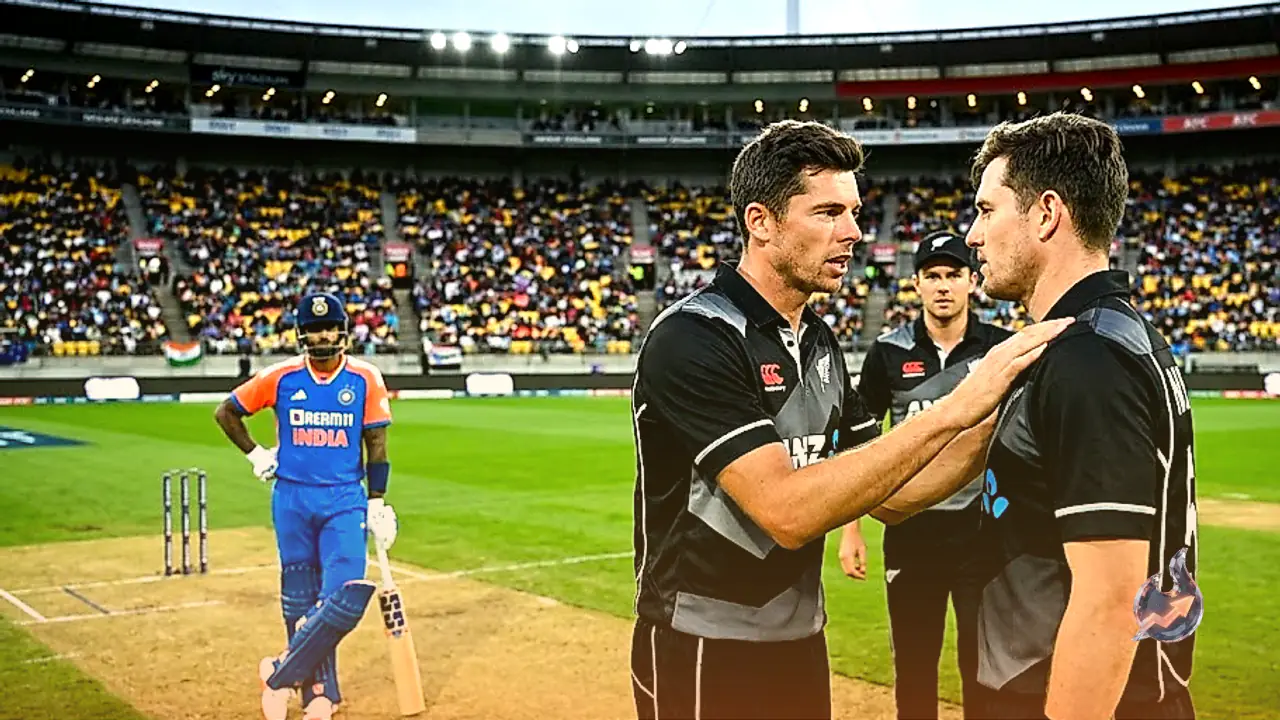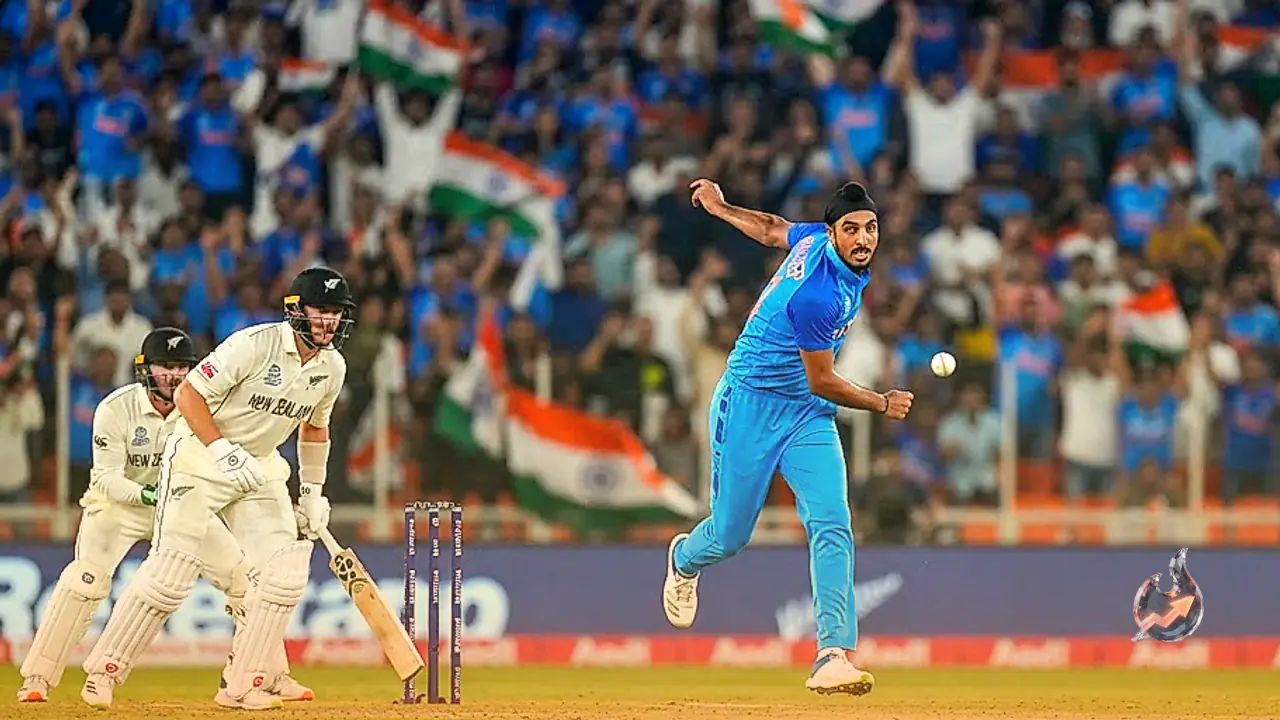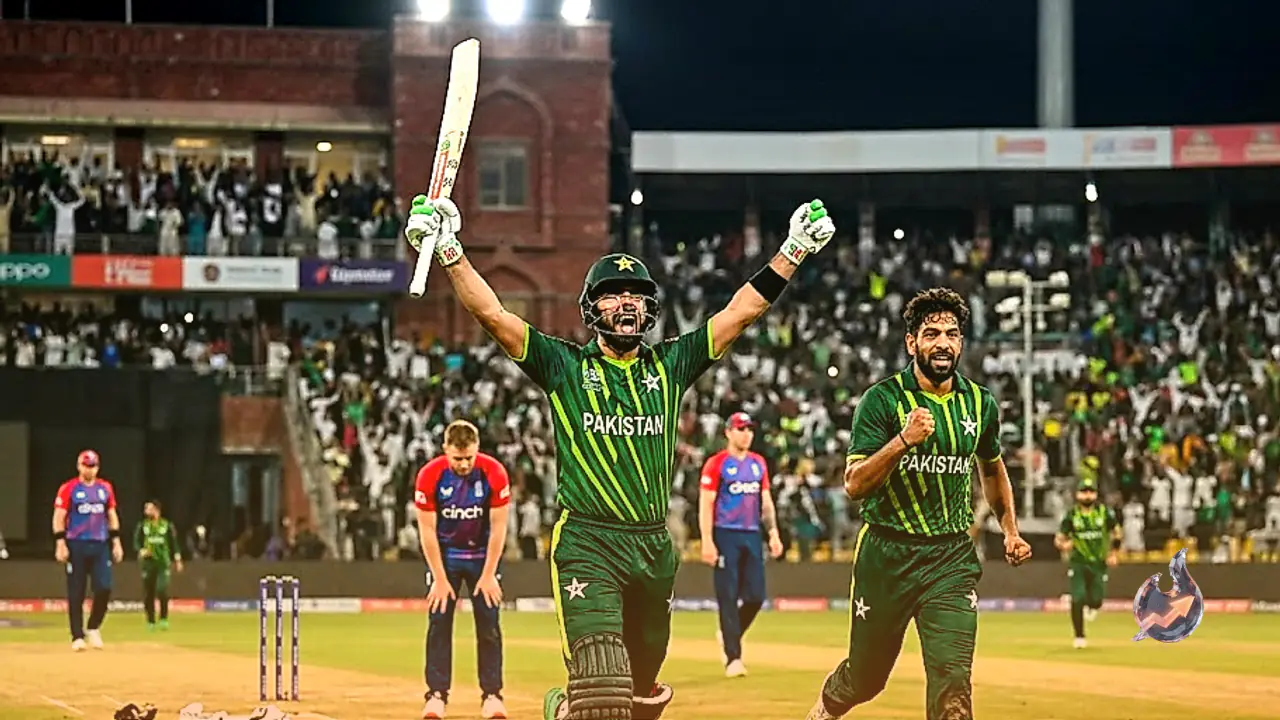




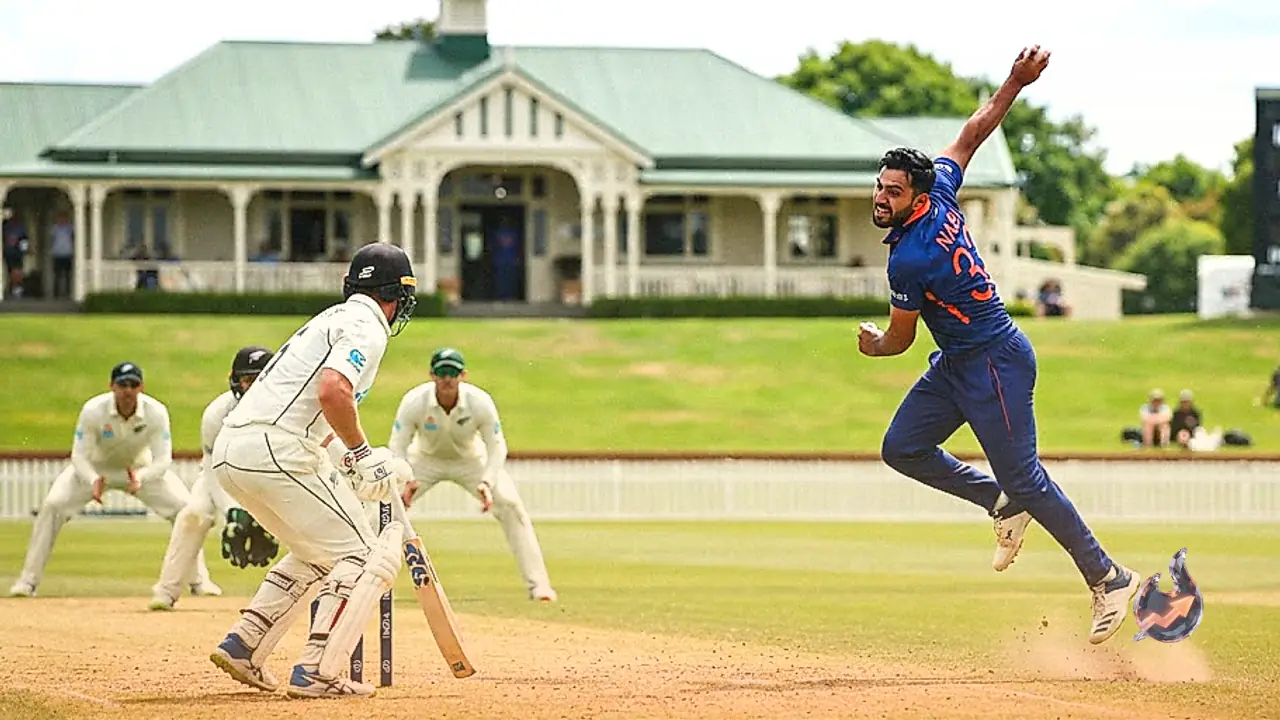
















Yashasvi Jaiswal is currently navigating a challenging phase in international cricket, failing once again in Colombo after Galle to convert promising starts into substantial scores. This ongoing dry spell has left both cricket experts and the player himself visibly frustrated. While everyone agrees on the immense talent residing in his bat, modern cricket offers very little patience during prolonged slumps, particularly when a deep talent pool means every poor run instantly revives selection debates. Jaiswal is learning these harsh lessons the hard way, with his struggles vividly highlighted across three recent innings against Sri Lanka in Galle and Colombo.
The Shadow of Vaibhav Suryavanshi and Shot Selection
Cricket analysts are increasingly linking Jaiswal's urge to play high-risk strokes to his opening partnership with Vaibhav Suryavanshi. Sharing the crease across two IPL seasons with Suryavanshi has seemingly put pressure on him, reducing his individual spotlight and perhaps pushing him to attempt strokes that never belonged to his traditional batting repertoire. Furthermore, the underlying frustration of playing only a single format appears to be taking a toll on his overall mindset. These consecutive failures in Galle and Colombo prolong a frustrating slump that has quietly persisted over the past several months.
Recent Numbers and the Post-Delhi Decline
Ever since his magnificent 175-run knock against West Indies in Delhi last October, Jaiswal's bat has remained unusually quiet. That Delhi fixture marked the last time he appeared completely in his natural element, playing with fluidity, aggression, and complete dominance over the bowling attack. Across his subsequent nine innings, he has accumulated a total of 192 runs at an average of just 18.38. His highest score during this stretch stands at 58, alongside two ducks. For a batter whose entire game rests on early aggression and calculated risk, these metrics point to far more than a minor dip in form.
The Impact of Opening Dynamics in the Rajasthan Franchise
Playing for Rajasthan Royals alongside Vaibhav Suryavanshi, Jaiswal seemingly found himself influenced by his partner's sheer range of strokes and audacity during the previous season. In an effort to match Suryavanshi, Jaiswal began attempting similar aggressive hits, which arguably stands as his biggest tactical error. When he used to open alongside Jos Buttler, his style was entirely his own, but he now appears to be operating under Suryavanshi's shadow. Jaiswal must realize that he is fundamentally a classical batter capable of adjusting across formats rather than a pure power hitter, yet getting out repeatedly to T20-style shots in longer formats remains a mounting concern.
The Cut Shot Dilemma and Statistical Evidence
At the very heart of this prolonged slump lies a striking paradox where the cut shot, once his primary scoring weapon, has transformed into his principal vulnerability. Bowlers have adjusted their tactical approach, denying him room to free his arms or forcing him to play deliveries well away from his body. Hard data substantiates this shift. During the England tour, his batting average on the cut shot stood at a formidable 73.25, with an incorrect shot percentage of just 31.1%. In stark contrast, following the Delhi Test, his average on the cut shot plummeted to 11.75, while his incorrect shot percentage surged to 48.1%. The very stroke that once defined his dominance is now engineering his dismissal.
An Impressive Legacy and Elite Company
Despite these current hurdles, nothing diminishes what Jaiswal has achieved in his career thus far. Across 30 Test matches, he has amassed 2,567 runs at an average of 48.43, featuring seven centuries and thirteen half-centuries, with an unbeaten 214 against England in Rajkot standing as his highest score. He trails only Sachin Tendulkar, who recorded 11 centuries before turning 24, in terms of players scoring seven Test tons before that age milestone. Five of his seven centuries have crossed the 150-run mark, including back-to-back double hundreds against England. He has recorded stellar hundreds across diverse global conditions including Dominica, Perth, Leeds, The Oval, and Delhi.
The Road Ahead and Mental Adaptation
A career average hovering close to 48.50 firmly establishes that Jaiswal's innate capability was never in doubt. He is simply navigating through that inevitable turbulence every emerging opening batter eventually confronts once international bowling units meticulously study their habits and lay tactical traps, while eager reserves wait on the bench. Jaiswal must learn to channel his inner drive effectively so that his performance graph can safely pivot upward once again.