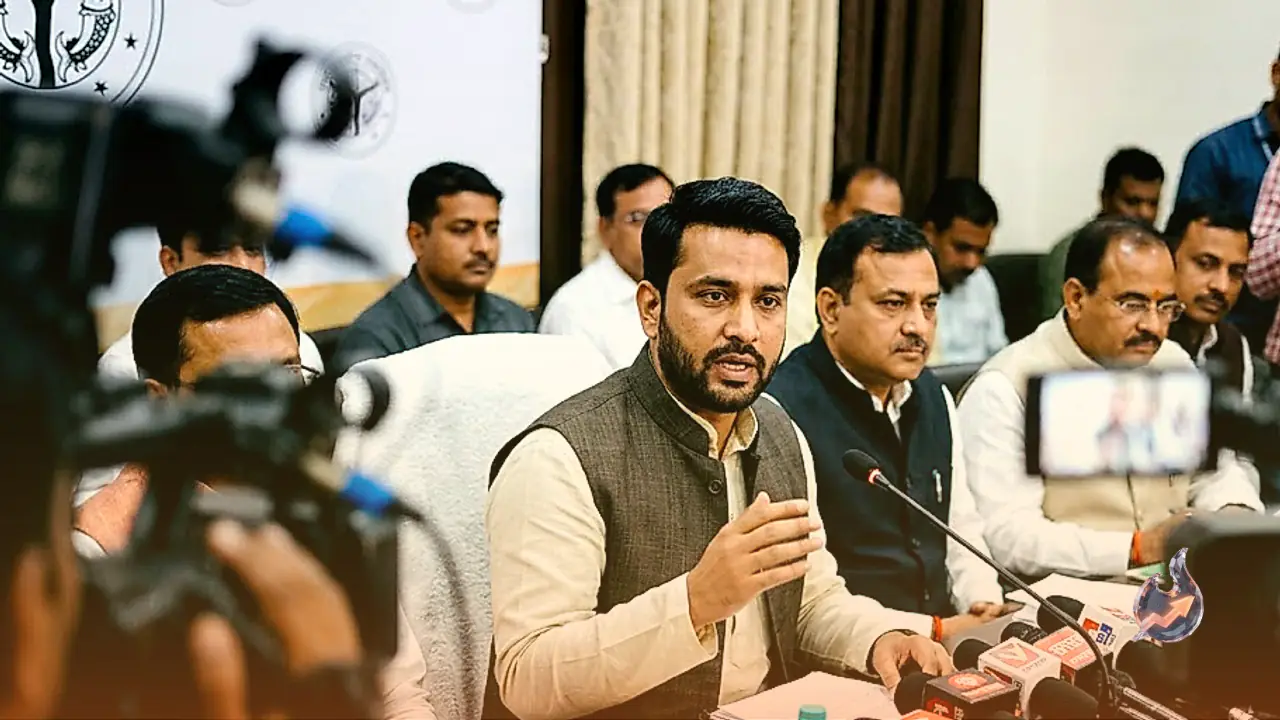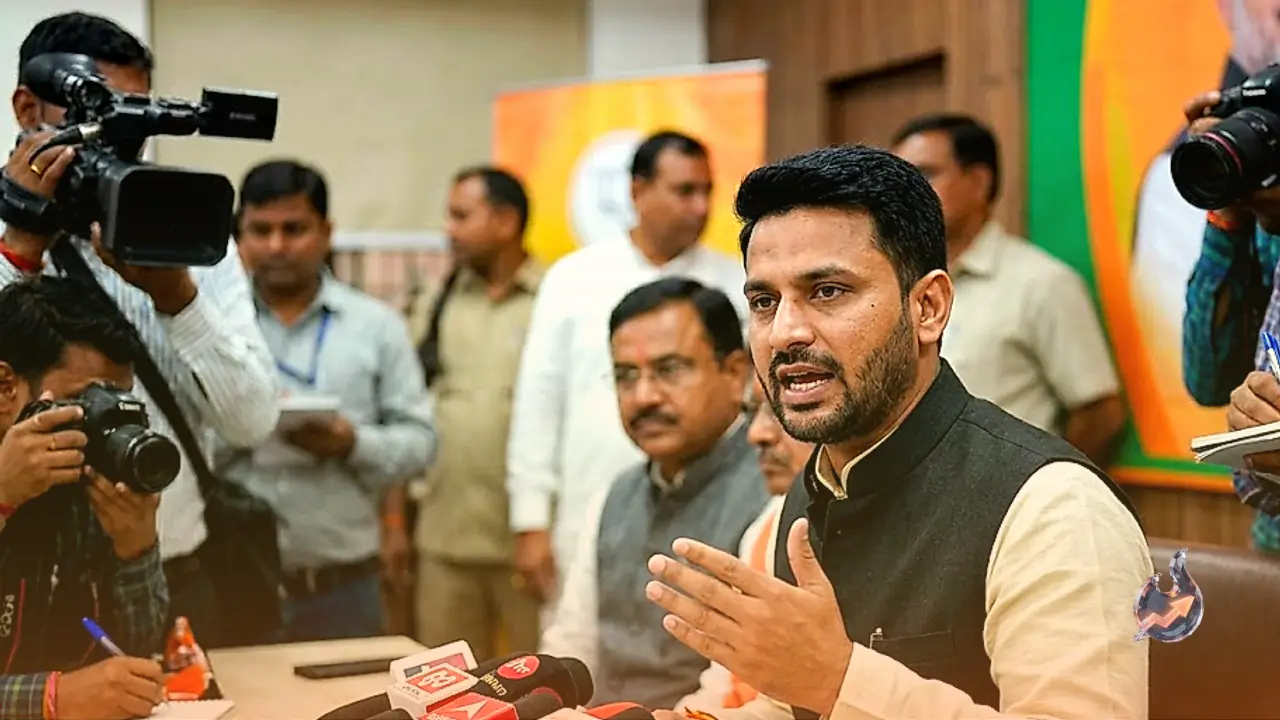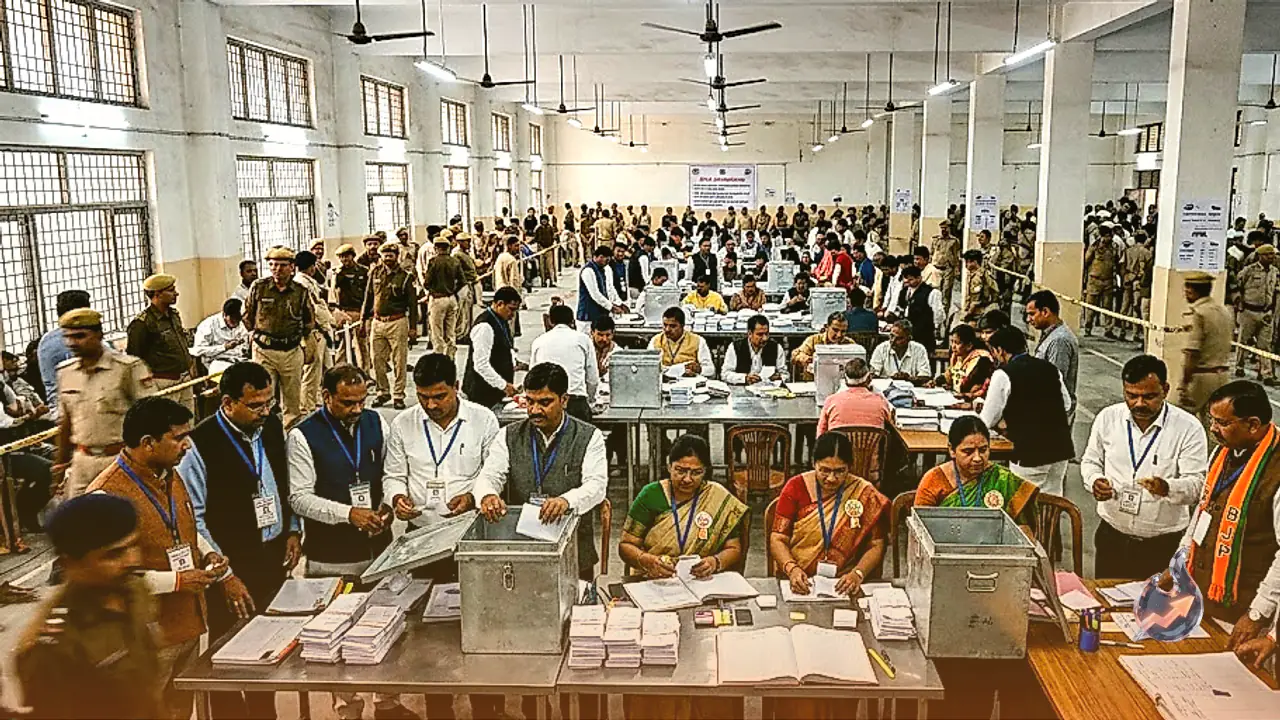














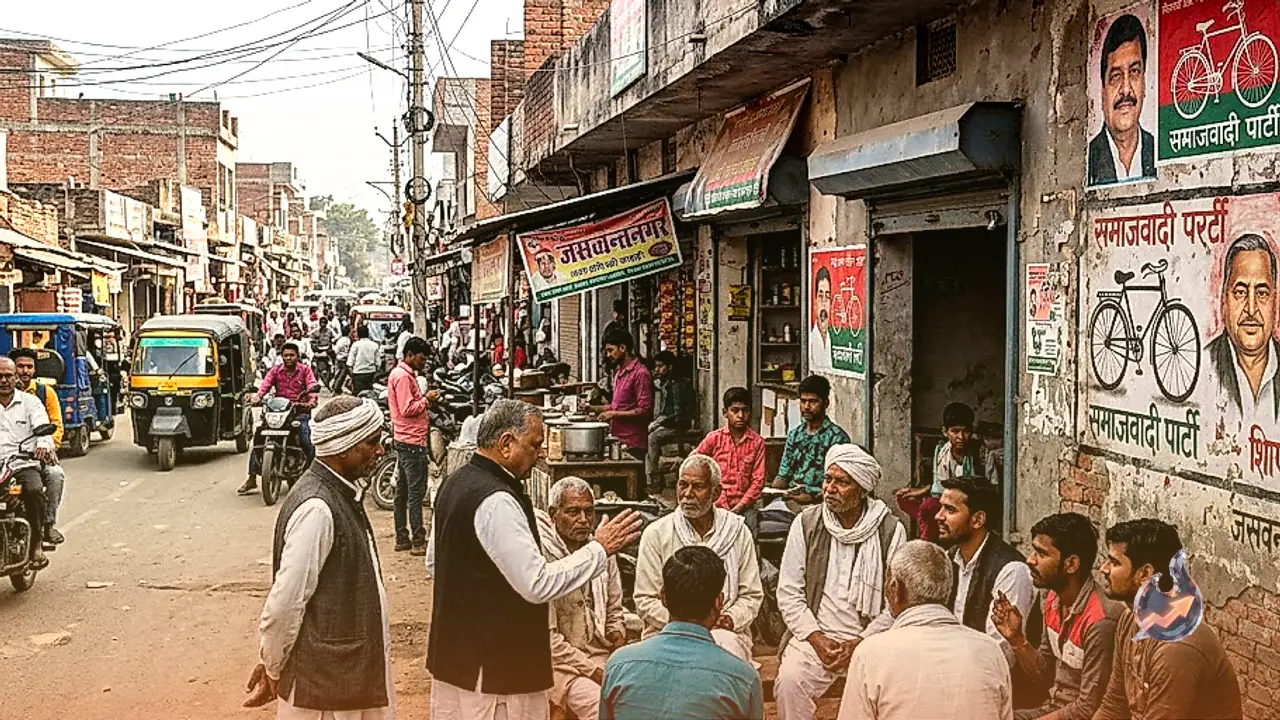

Jaswantnagar assembly constituency, located in Uttar Pradesh's Etawah district, occupies a celebrated position in socialist politics. For decades, this seat has stood as an unassailable bastion for the family of Mulayam Singh Yadav. Since 1985, candidates representing this single family have continuously secured victory here without interruption. Initially, Mulayam Singh Yadav represented the constituency in the state assembly, and subsequently, his younger brother Shivpal Singh Yadav took charge, earning election to the legislature for six straight terms. Over the past three decades, neither the Bharatiya Janata Party, the Bahujan Samaj Party, nor the Congress has managed to register a single win on this turf. An analysis of the constituency's electoral track record from 1991 through 2022 provides key perspectives on the dynamics likely to shape the upcoming 2027 assembly contest.
The Early Groundwork and Mulayam Singh Yadav's 1991 Win
Mulayam Singh Yadav's legislative association with Jaswantnagar began back in 1967, when he won election for the first time on a Socialist Party nomination. He went on to retain the seat in 1974, 1977, 1985, and 1989. By the time the 1991 assembly elections arrived, he contested under the banner of the Janata Party. During that election, Mulayam Singh Yadav garnered 47,765 votes, successfully overcoming Congress challenger Darshan Singh Yadav, who was restricted to 30,601 votes. The final winning margin stood at 17,164 votes. This victory reaffirmed his firm grip over the local electorate during a period of considerable regional and national political transition.
The Nail-Biting 1993 Face-Off: A 1,161-Vote Finish
The 1993 assembly poll stands out as the fiercest electoral fight ever recorded in Jaswantnagar's modern history. Mulayam Singh Yadav stepped into the race leading his newly formed political entity, the Samajwadi Party. Across Uttar Pradesh, the election saw a strategic pre-poll alliance between the Samajwadi Party and the Bahujan Samaj Party. Facing him once again was Congress stalwart Darshan Singh Yadav.
When the ballots were counted, Mulayam Singh Yadav secured 60,242 votes against 59,081 votes cast in favor of Darshan Singh Yadav. The final verdict hung on a paper-thin margin of just 1,161 votes. Across the eight assembly elections held between 1991 and 2022, this remained the narrowest contest witnessed in the seat. Following the 1993 mandate, Mulayam Singh Yadav assumed office as the Chief Minister of Uttar Pradesh.
Passing the Baton to Shivpal Singh Yadav in 1996
A major generational handover occurred ahead of the 1996 assembly election. Mulayam Singh Yadav transitioned to national politics after winning a parliamentary seat and took charge as the Union Minister of Defence in the United Front central government. With his move to Delhi, the responsibility of preserving the family bastion was handed over to his younger brother, Shivpal Singh Yadav.
Contesting as the Samajwadi Party candidate in 1996, Shivpal Singh Yadav faced off against Congress rival Darshan Singh Yadav. In his electoral debut, Shivpal Singh Yadav collected 68,377 votes, whereas Darshan Singh managed 57,438 votes, translating into a victory margin of 10,939 votes. This successful entry marked the beginning of an unbroken winning streak for Shivpal Singh Yadav in the constituency.
Expanding Margins in 2002 and Completing a Hat-Trick in 2007
In the 2002 assembly election, the Samajwadi Party again fielded Shivpal Singh Yadav. The electoral dynamics shifted on the ground as the Bahujan Samaj Party replaced Congress as the primary challenger. Shivpal Singh Yadav took his performance to new heights, polling 80,544 votes to defeat BSP nominee Ramesh Chandra Shakya, who stood at 27,555 votes. The winning margin surged significantly to 52,989 votes. In that round, BJP candidate Shivprasad ended in third position with 14,146 votes.
By 2007, Shivpal Singh Yadav secured his third consecutive victory, sealing a hat-trick of wins. While Mayawati's BSP swept to power across Uttar Pradesh with a standalone majority, Jaswantnagar remained firmly out of its reach. Shivpal Singh Yadav recorded 73,211 votes compared to 42,404 votes obtained by BSP candidate Baba Harinarayan Yadav, winning by 30,807 votes. The BJP once again finished third, with its candidate Dr. Rajbahadur Singh Yadav polling only 4,687 votes.
The 2012 Landslide: Extending the Lead Beyond 81,000 Votes
The 2012 state elections delivered an absolute majority to the Samajwadi Party across Uttar Pradesh, elevating Akhilesh Yadav to the chief minister's post. In Jaswantnagar, Shivpal Singh Yadav's electoral dominance reached unprecedented heights. He amassed 1,33,563 votes, brushing aside BSP's Manish Yadav, who polled 52,479 votes. The resulting victory margin crossed 81,084 votes.
Other established political players were left far behind in the tally. The BJP candidate, Rakesh Pal, finished third with 12,708 votes, while Ajay Kumar Yadav Guddu of the Congress managed fourth place with 8,260 votes.
Navigating Intra-Party Discord in 2017 to Win a Fifth Term
Ahead of the 2017 assembly polls, intense internal differences surfaced publicly between Akhilesh Yadav and Shivpal Singh Yadav within the Samajwadi Party apparatus. Despite these well-documented political fissures, Shivpal Singh Yadav remained the Samajwadi Party's candidate from Jaswantnagar.
The electoral contest saw a key shift when Manish Yadav, who had finished second on a BSP ticket in 2012, entered the fray as the BJP candidate. Shivpal Singh Yadav still retained strong local support, logging 1,26,834 votes against Manish Yadav's 74,218 votes. The win was secured by 52,616 votes, handing Shivpal Singh Yadav his fifth consecutive legislative victory. This election also marked the first time that a BJP nominee managed to finish as the runner-up in Jaswantnagar. The BSP candidate, Durvesh Kumar Shakya, landed in third place with 24,509 votes.
The 2022 Mandate: A Record-Setting Sixth Victory
In the 2022 assembly elections, Shivpal Singh Yadav entered the contest once again as the Samajwadi Party candidate. Although his own political outfit, Pragatisheel Samajwadi Party (Lohia), was in existence at that time, it later merged back into the Samajwadi Party fold.
The election result set an all-time record for the constituency in terms of victory margin. Shivpal Singh Yadav gathered 1,59,718 votes, overwhelming BJP nominee Vivek Shakya, who finished with 68,739 votes. The massive gap of 90,979 votes represented the widest victory margin ever achieved in Jaswantnagar. This marked Shivpal Singh Yadav's sixth successive term as MLA. The BSP slipped further behind, with its candidate Brijendra Pratap Singh settling for third place with 17,515 votes.
Assessing Potential Political Equations for the 2027 Election
Looking toward the 2027 Uttar Pradesh assembly elections, Jaswantnagar will once again be in the political spotlight. For the Samajwadi Party, retaining this core stronghold and continuing its four-decade winning tradition remains the chief priority. Conversely, the BJP faces the persistent challenge of attempting to score its inaugural victory in this assembly segment.
Closing the gap will require overcoming massive historical margins. While the BJP managed to finish in the runner-up spot in both 2017 and 2022, the vote deficit remained steep. In earlier rounds—specifically 2002, 2007, and 2012—it was the BSP that mounted the primary opposition against Shivpal Singh Yadav.
Demographically, the constituency holds a substantial population of Yadav voters, alongside influential segments of Scheduled Castes and other Backward Classes. Nonetheless, historical election patterns show that the political alignment of the Yadav community has consistently served as the decisive factor determining which candidate enters the assembly from Jaswantnagar.