























Cross-border narcotics syndicates operating along India's northeastern frontier have adopted an ancient trade mechanism to move illicit contraband, bypassing modern financial scrutiny by exchanging drugs directly for commercial goods and domestic staples. Following coordinated searches across more than 38 premises conducted by the Enforcement Directorate, investigators revealed that international trafficking cartels have systematically replaced cash transactions with a sophisticated barter model, completely eliminating cross-border electronic paper trails.
Golden Triangle Routes And Frontier Infiltration
The contraband pipeline originates from the Golden Triangle, a notorious tri-border junction encompassing Myanmar, Thailand, and Laos. Exploiting porous frontier tracts in the northeastern states, syndicates have been pumping substantial consignments of heroin and methamphetamine into Indian territory. Myanmar has now overtaken Afghanistan as the world's leading center for illicit opium cultivation. The supply cycle involves precursor chemicals dispatched from India into clandestine processing laboratories across the border, where they are converted into refined heroin, brown sugar, and synthetic narcotics before being pushed back onto Indian soil.
Commodity Swaps: Fuel And Groceries As Shadow Currency
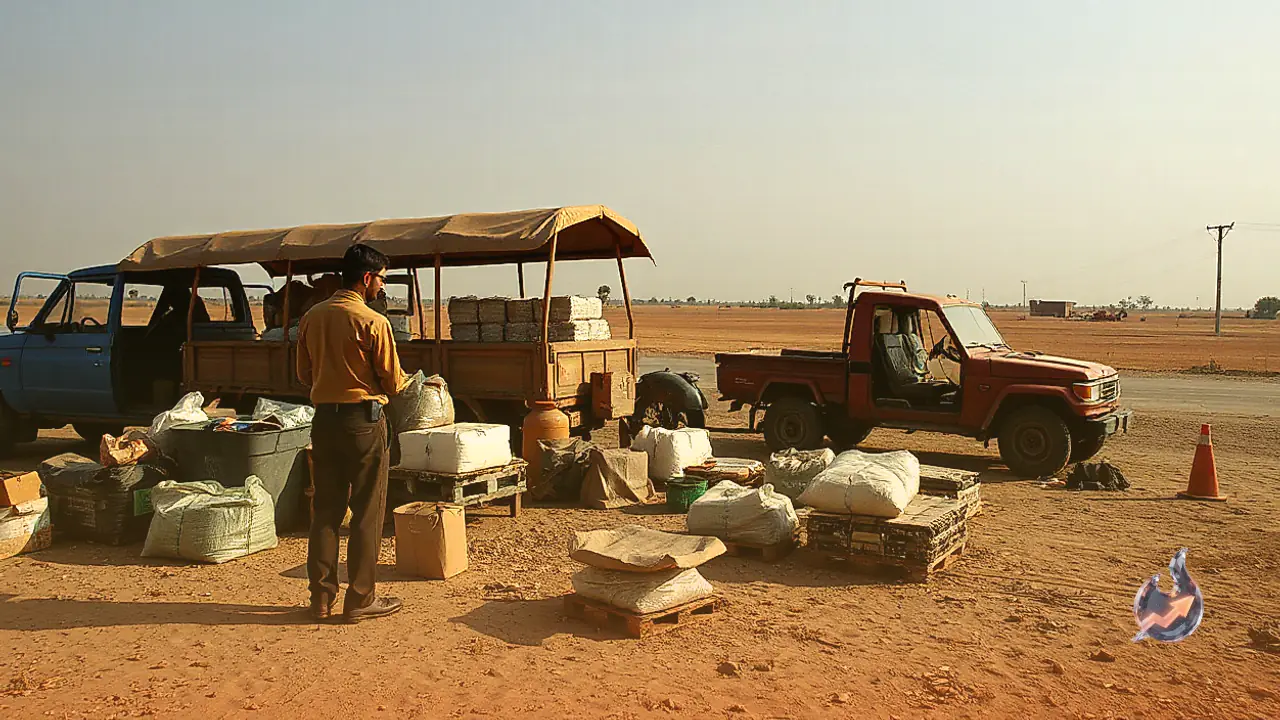
Investigative findings confirm that zero currency crossed international borders during these contraband transfers. In place of conventional money, the syndicate settled consignments using consumer essentials, vehicle fuel, and household provisions. High-speed diesel and petrol emerged as the primary commodities demanded by cross-border suppliers, followed closely by wheat flour, edible cooking oil, basic groceries, pharmaceuticals, footwear, and garments. These physical goods served as alternative currency inside Myanmar, allowing illicit suppliers to secure essential resources without depending on regulated foreign exchange systems.
The Transit Corridor From Tiau River To Central Metros
The transit chain relies on designated drop points along the boundary line. Illicit shipments are moved across the Tiau River from Khawmawi on the Myanmar side directly into Zokhawthar within Indian borders. From Zokhawthar, the consignments are transported to Champhai, which functioned as the central staging hub for the network. The shipments then travel along the Champhai-Aizawl road and adjacent highway corridors through Aizawl and Vairengte before entering Assam. Once reaching Assam, the illicit distribution grid moves the contraband into consumer hubs across the country. Intermediaries responsible for procuring and forwarding Indian goods to cross-border handlers have been pinpointed by investigators.
Over 270 Crore In Barter Trade And 1400 Accounts Frozen
The magnitude of the shadow operation is reflected in its domestic financial footprint. Authorities have tracked commodity transactions exceeding 270 crore rupees tied directly to this contraband exchange mechanism. Enforcement actions have resulted in the freezing of more than 1400 bank accounts, predominantly held by registered merchants, fuel outlets, and commercial suppliers who procured goods on behalf of the syndicate. Six individuals have been arrested in connection with the racket. Hawala conduits based in Champhai managed the settlement flow, which included absorbing 125 crore rupees in hard cash sourced from Assam, Nagaland, West Bengal, Tripura, and Delhi.
Domestic Banking Sheltered By GST Documentation
To avoid suspicion from financial intelligence agencies, banking channels were strictly restricted to domestic borders. Funds originating from major commercial centers, including Delhi, Kolkata, and Mumbai, were routed through hawala networks into accounts located in Aizawl and Champhai. The syndicate disguised these illicit inflows by purchasing consumer goods and fuel supported by authentic GST invoices, creating the appearance of routine domestic commerce. Because transactions beyond the border were strictly physical commodity movements, banking systems recorded zero outward remittances, effectively blinding conventional transaction-monitoring software.
Network Disruption And Asset Attachment
Investigators continue to expand the scope of the probe to identify every tier of the syndicates operation. Scrutiny is focused on border receivers, transport handlers, overseas coordinators located in Myanmar, fuel station owners, commercial distributors, and hawala middlemen. The Enforcement Directorate is moving to sever the logistical and financial infrastructure behind the cross-border pipeline while proceeding with legal attachments against illicitly generated assets.