


















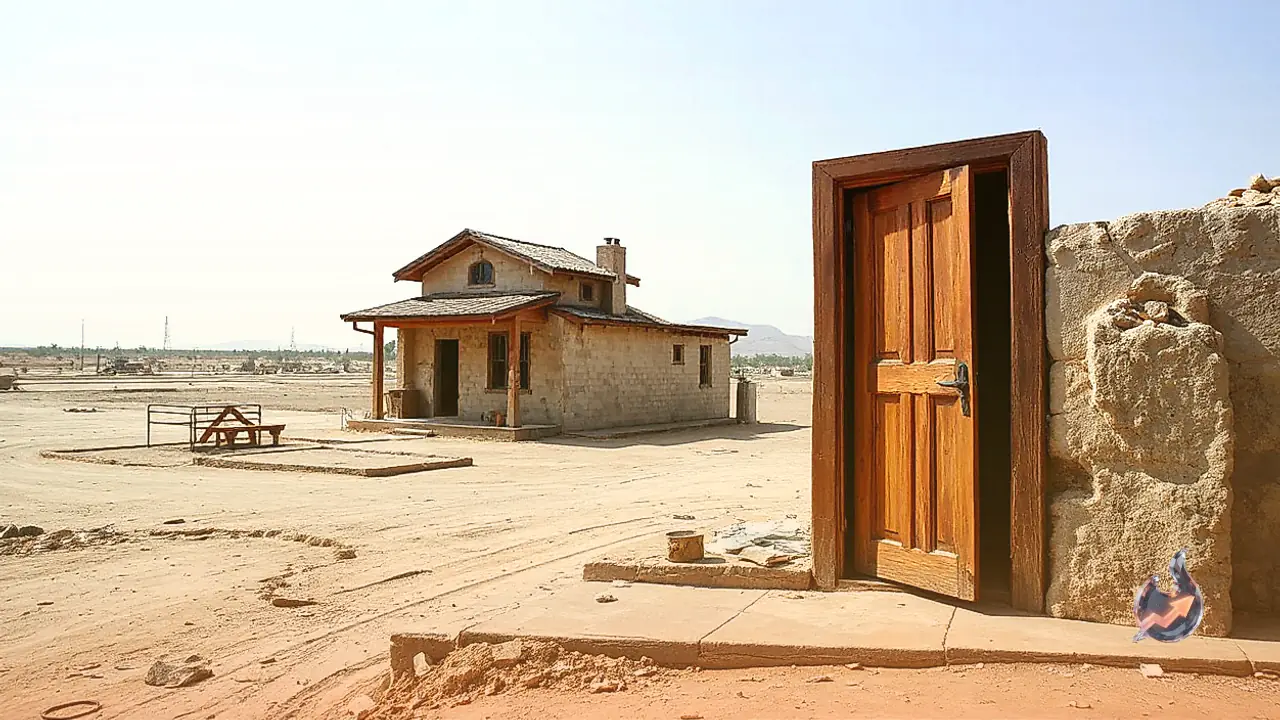

Selecting long-lasting fixtures for doors and windows remains one of the most frustrating aspects of residential construction and renovation. Conventional timber doors, frames, and window fittings frequently fall prey to extensive termite infestations over time. Homeowners regularly spend significant amounts on recurring repairs, chemical treatments, and pest control, only to discover that pests return and hollow out the wooden structure from within. Seeking a definitive exit from this cycle, builders and residents across Agra are gravitating toward a modern construction alternative known as the Japanese door frame. Designed to closely replicate the natural grain and aesthetic appearance of polished timber, this installation delivers a sleek, contemporary feel to residential interiors.
Limitations Plaguing Conventional Wood and Metal Fittings
Laxman, a seasoned shopkeeper who has managed a door frame and building materials trade in Agra for several years, notes that consumer preferences are shifting rapidly toward newer fabrication alternatives. In the past, property owners who wanted to avoid termite risks often installed iron doors and structural window frames. However, iron fittings inevitably run into oxidation issues. Moisture and seasonal weather shifts cause rust to build up across moving parts, making panels difficult to pull open or push shut smoothly. Beyond the functional friction, iron surfaces simply lack the visual warmth, sophistication, and elegant finish that natural timber offers.
Conversely, traditional wood remains exposed to subterranean termites and moisture damage, which compromises structural integrity and destroys expensive woodwork over the years. According to Laxman, these twin challenges have steered homeowners directly toward Japanese door frames. The material captures the refined look of wooden architecture while providing a cost-effective alternative that keeps building budgets under control.
Complete Protection Against Termite Damage and Corrosion
The primary advantage driving consumer adoption of Japanese door frames is their total resistance to environmental decay. Unlike real wood, the material cannot be eaten by termites, and unlike conventional iron, it never suffers from rust or corrosive flaking. Because it preserves its shape and surface finish throughout changing seasons, the structure demands virtually zero recurring maintenance.
When compared to the steep upfront expenses and persistent care needed for quality hardwood, this engineered alternative is significantly less expensive and substantially more durable. The combination of modest pricing, stylish patterns, and prolonged longevity explains why customer demand has experienced steady growth across commercial and domestic construction projects throughout Agra.
Available Quality Grades and Pricing Structure
In terms of retail availability, the product is primarily supplied across two standard quality grades tailored to varying homeowner budgets. Laxman explained that the product is offered at 75 rupees per foot and 85 rupees per foot, allowing buyers to select based on specific structural requirements.
The variant priced at 85 rupees per foot features a denser, more rugged build with enhanced durability, making it suitable for larger entryways or main doors that require superior endurance. For customers managing strict financial constraints or working on secondary rooms, the 75 rupees per foot option delivers a reliable and affordable alternative without sacrificing the clean aesthetic appeal. Because both grades provide the visual charm of genuine timber at an accessible price point, public interest in these fixtures continues to surge.