


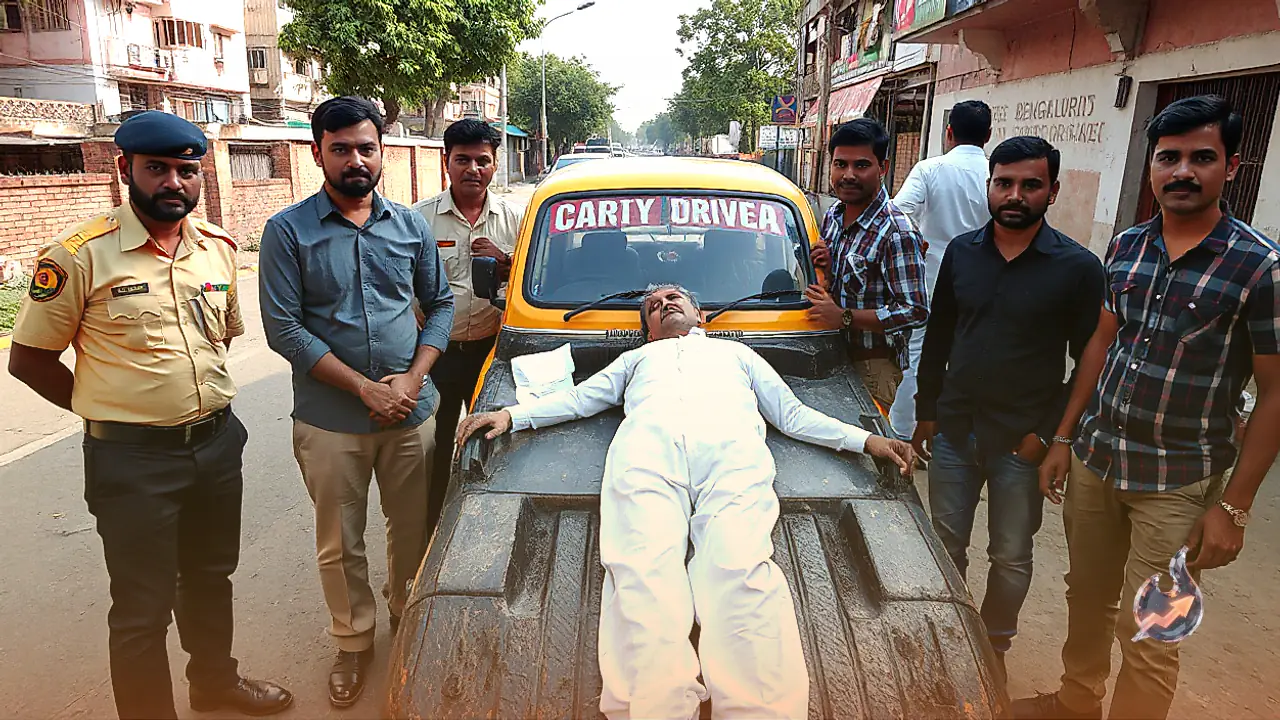















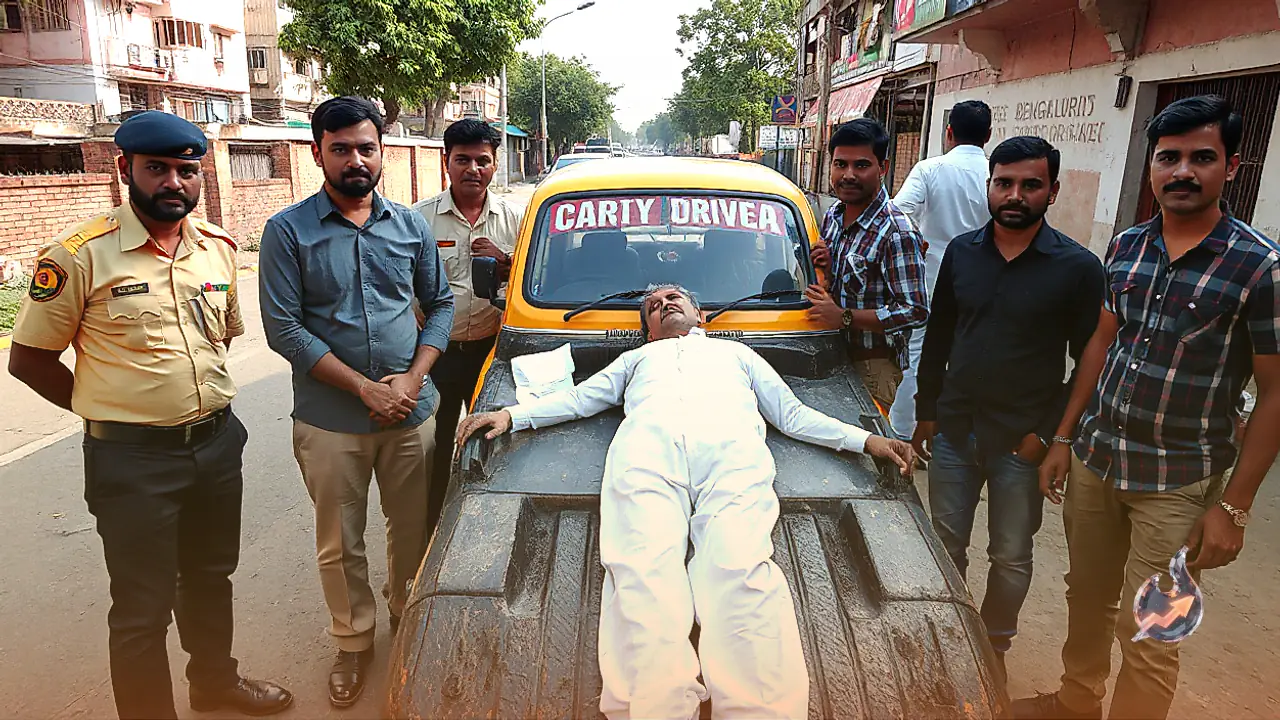

A horrifying mass murder case in Bengaluru has unveiled intricate details of financial greed and long-standing domestic animosity. S. Indushekhar, a 52-year-old cab driver, stands accused of murdering his wife and six of her relatives in a span of just 15 days between October 16 and October 31. Investigators have uncovered that immediately after committing the killings, the suspect pressed the thumbprints of the deceased onto blank stamp papers to facilitate illegal property transfers. Furthermore, the suspect liquidated gold jewelry stripped from the female victims to fund fuel and travel expenses while transporting the corpses to isolated dumping grounds along the inter-state border. The suspect's 16-year-old daughter has also come under police scrutiny for her alleged involvement in assisting with the crime.
Property Dispute and the Blank Stamp Paper Strategy
Senior police officials investigating the incident are focusing heavily on a valuable property in the Sriramapura locality of Bengaluru, which belonged to the suspect's mother-in-law. Indushekhar had long intended to secure a large share of this real estate through his wife. However, his mother-in-law intended to leave the entire property to her two sons, creating severe internal conflicts within the family. To overcome this hurdle, Indushekhar allegedly obtained thumbprints from several victims on blank stamp papers following their deaths. Investigators believe he intended to draft fraudulent legal deeds for property transactions at a later stage. Additionally, police are probing a financial transaction involving a Rs 30 lakh advance payment received during a land deal associated with his wife.
Alleged Role of the 16-Year-Old Daughter
A chilling aspect of the investigation centers around the suspect's 16-year-old minor daughter, whose conduct has raised strong suspicion. Police suspect that Indushekhar persuaded his daughter to cooperate by promising that her mother's share of the family property would ultimately be passed on to her. Lured by this assurance, the teenager allegedly assisted her father in concealing evidence and transporting the bodies to remote locations near the Karnataka-Tamil Nadu border. Investigators are currently determining whether the minor acted under coercion or was an active accomplice in executing the cover-up.
Liquidation of Jewelry to Finance Disposal of Bodies
The investigation reveals a calculated approach by the suspect to finance his logistics during the crime spree. After killing the female family members, Indushekhar reportedly stripped their bodies of gold chains, earrings, and rings. He cleaned the stolen jewelry before selling or pawning it to local gold buyers. The money gathered from these transactions was utilized to pay for fuel and logistical expenses incurred while driving across state borders to dispose of the remains in isolated areas. Police are currently tracing the individuals and traders who purchased the pawned ornaments.
Two Decades of Marital Friction and Domestic Grudges
Beyond property motives, investigators point to two decades of chronic marital disputes between Indushekhar and his wife. Married for nearly 20 years, the couple experienced frequent fights. Indushekhar harbored intense resentment over his wife's habit of frequently leaving for her parental home whenever arguments erupted. During these disputes, his wife consistently received strong backing from her mother and two brothers, which alienated Indushekhar further. This deep-seated personal hostility, combined with a desire to seize valuable assets, ultimately culminated in the tragic series of murders.