




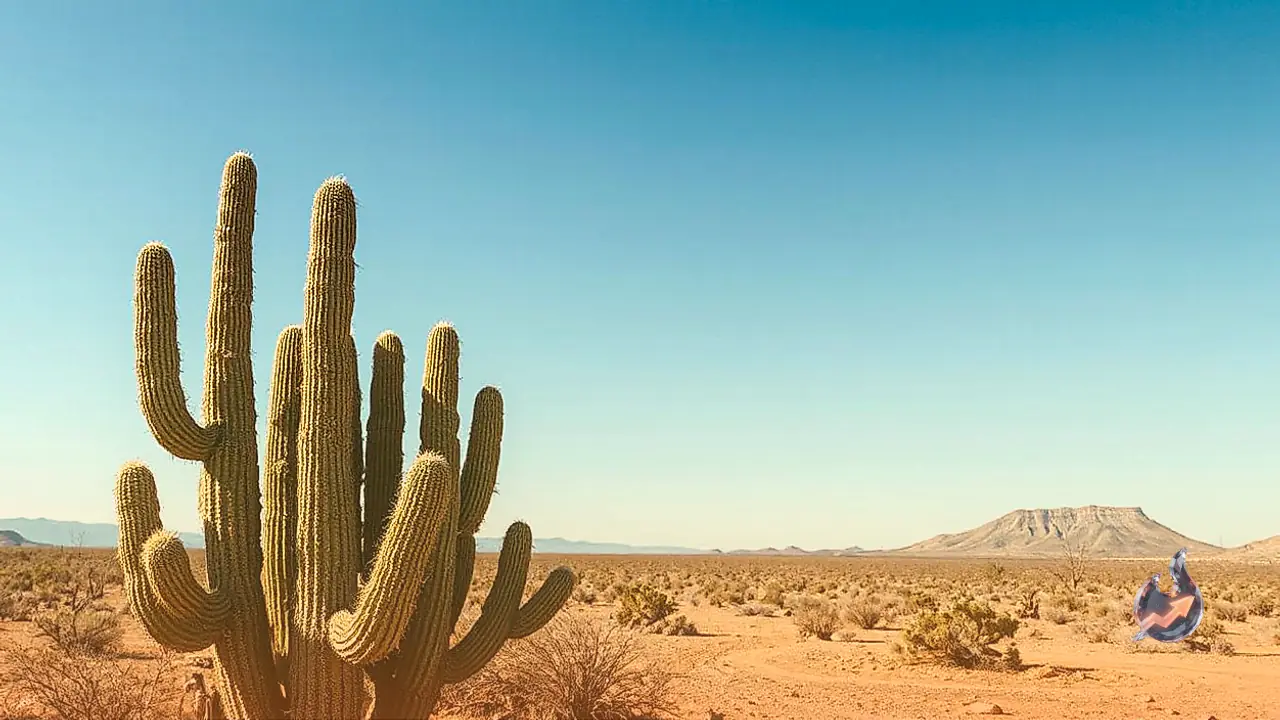















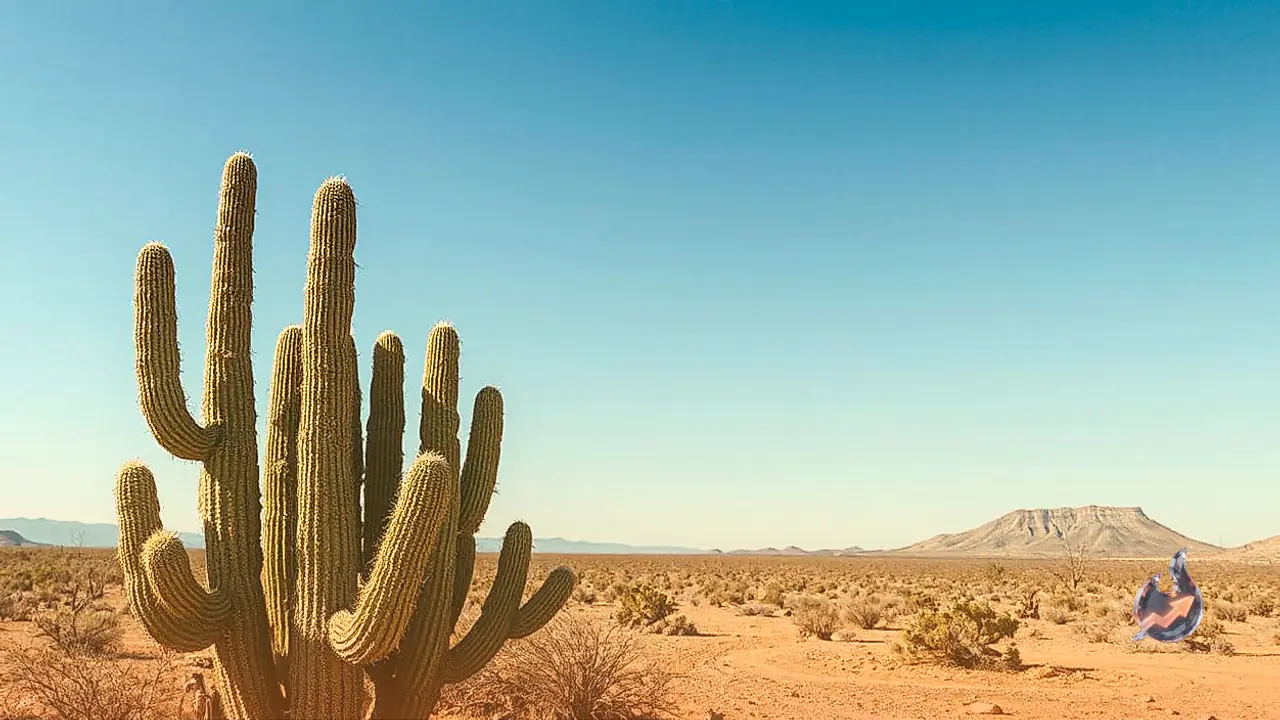

Cacti are widely regarded as the ultimate survivors of harsh desert environments, capable of enduring punishing heat and minimal water. However, groundbreaking research reveals that these specialized plants are far more vulnerable to climate change than previously understood. Intensifying dry spells alongside rising global temperatures are degrading natural desert habitats, putting roughly 1,000 cactus species at risk of severe decline. Projections indicate that more than a quarter of these species could lose at least 80 percent of their natural geographic range by the end of the century.
While cacti have historically suffered from illegal poaching and land clearance for development, the compounding pressure of prolonged droughts is accelerating their trajectory toward extinction. The assumption that their unique adaptations render them immune to extreme climate shifts is being overturned by detailed ecological modeling.
Dispel of the Resilience Myth
Lead author Michiel Pillet, a conservation ecologist at the University of South Florida, notes that the popular image of cacti as indestructible organisms is scientifically inaccurate. Despite their specialized evolutionary traits, cacti possess biological thresholds similar to other plant species.
In regions such as the southwestern deserts of the United States, cacti rely heavily on seasonal monsoon rainfall, typically during July and August, to replenish their water stores. They have evolved specialized features, including thick waxy outer skins, to trap and retain this moisture. However, as global warming alters weather patterns and disrupts precipitation cycles, environmental conditions are shifting beyond the limits to which these plants originally adapted.
Physiological Strain and Dehydration Analogies
Researchers describe the physiological state of drought-stressed cacti as comparable to hospital patients suffering simultaneously from heat stroke and severe dehydration. As ambient temperatures rise, cacti struggle to regulate their internal temperature, exhausting their moisture reserves far quicker than previously estimated.
When drought variables are incorporated into predictive models, the health outlook for desert flora appears significantly worse. Scientists stress that these findings necessitate a reevaluation of how global climate shifts will impact not only desert ecosystems but broader plant diversity worldwide.
Leveraging Citizen Science for Field Data
To establish a realistic picture of current species distribution, researchers analyzed data from the citizen science platform iNaturalist, where nature enthusiasts and field workers upload geotagged photographs of wildlife.
By sifting through more than 650,000 field observations of cacti in their natural habitats, the research team mapped precise population boundaries. This massive dataset enabled researchers to evaluate how localized climate anomalies correlate with population declines across different regions.
Sublethal Stress and Interrupted Reproduction
The damage inflicted by prolonged drought extends beyond immediate plant mortality. Severe water scarcity induces sublethal stress, disrupting fundamental biological processes without immediately killing the individual plant.
Under chronic water deficits, cacti often fail to produce flowers, thereby halting seed production and natural regeneration. In Arizona's Sonoran Desert, the iconic saguaro cactus has demonstrated a marked decline in flowering frequency during extended droughts, leading to a noticeable reduction in seedling establishment and long-term population recruitment.
Ecosystem Fragility and Overlapping Threats
Marcos Robles, lead scientist at the Nature Conservancy in Arizona who was not involved in the study, points out that desert environments are exceptionally fragile. Once degraded by extreme heat and drought, these ecosystems require decades to recover, and in severe cases, the damage proves irreversible.
Cacti face multiple overlapping environmental stressors. In coastal regions like Florida, rising sea levels have driven the Key Largo tree cactus to local extinction due to saltwater intrusion. Furthermore, elevated nocturnal temperatures severely impair plant respiration. Because cacti open their stomata at night to absorb carbon dioxide while minimizing water loss, excessively warm nights prevent this critical exchange, causing plants to rot if sudden rain or watering occurs.
Conservation Interventions and Land Protection
Rod Haenni, president of the Cactus and Succulent Society of America, emphasizes the necessity of targeted land conservation policies to protect vulnerable species. While public concern is growing, policy responses from regional authorities remain sluggish.
Conservationists are focusing efforts on collecting seeds and establishing backup populations within botanical gardens. Although human intervention cannot halt regional droughts, ex-situ conservation allows scientists to preserve genetic diversity and potentially reintroduce species into wild habitats if environmental conditions stabilize in the future.