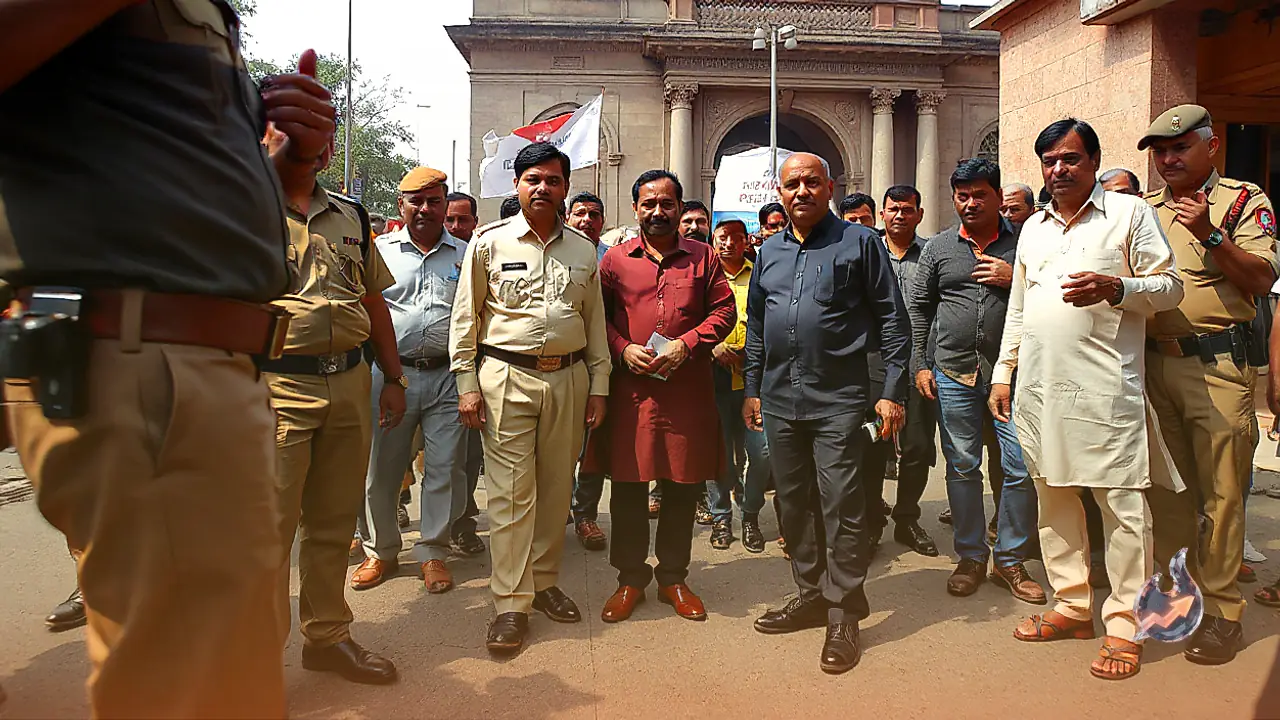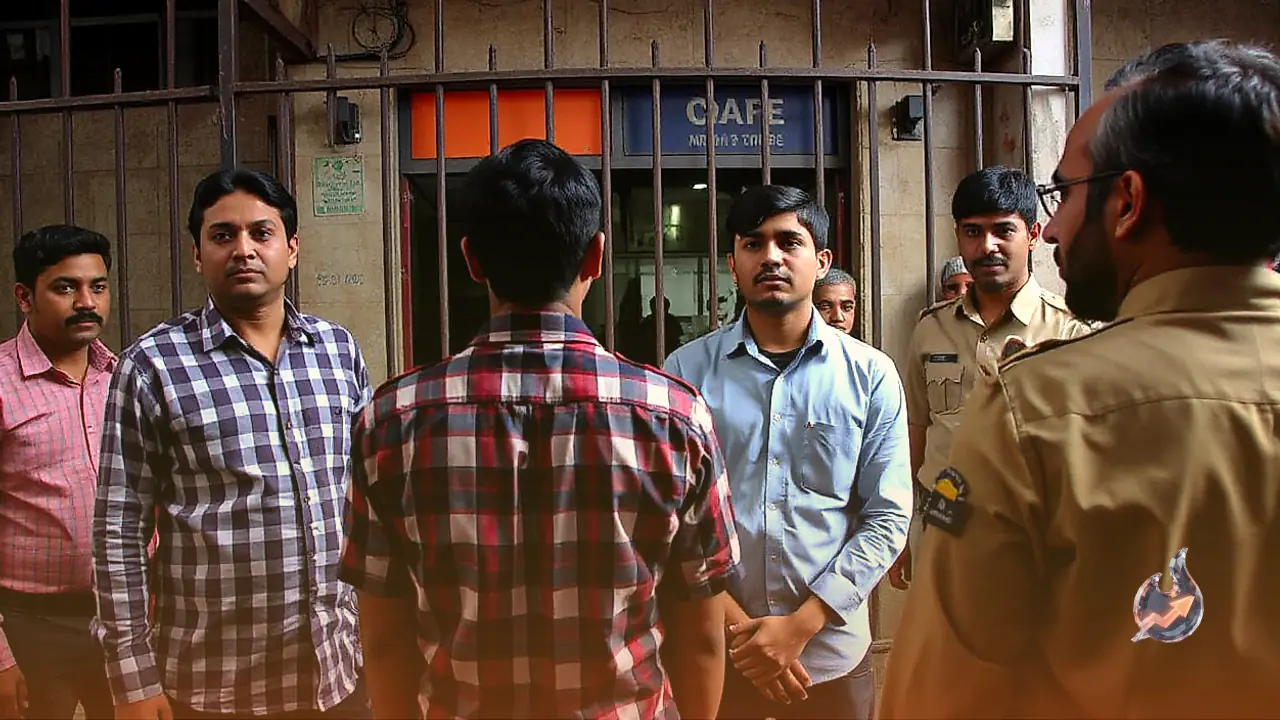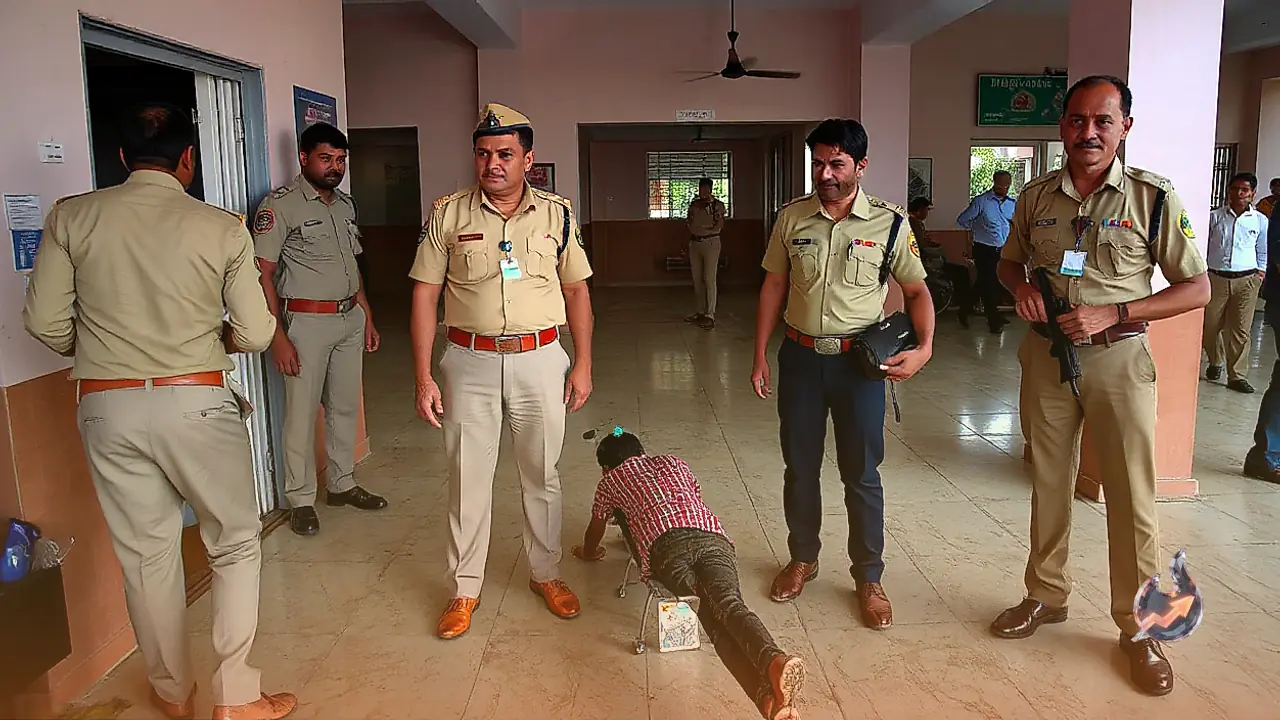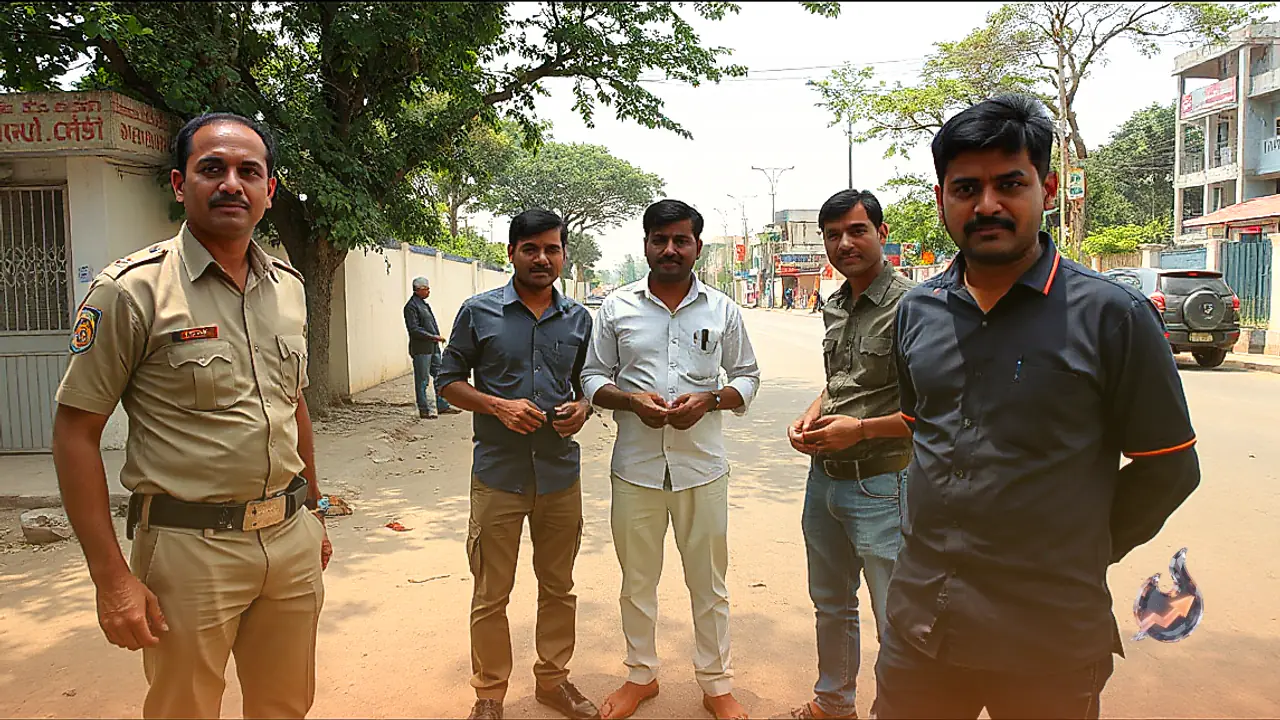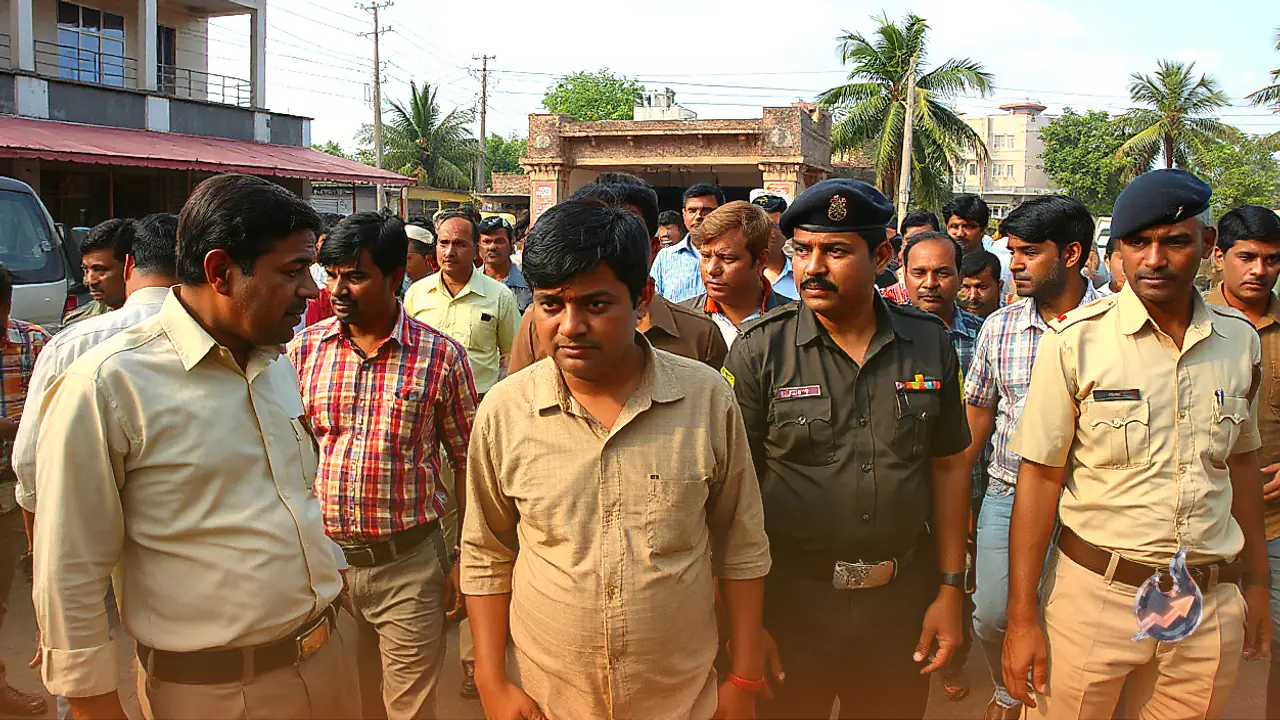



















Law enforcement authorities on the outskirts of Telangana's capital have dismantled a sophisticated financial counterfeiting operation, shutting down an illegal printing press running inside a leased residential property in Kuntloor. During the targeted crackdown, officials confiscated fake Indian currency bearing a face value of Rs 6.78 crore, primarily comprised of Rs 500 denomination notes. Four individuals connected to the manufacturing network have been taken into custody, while investigators pursue three other suspects who remain at large. High-end computing hardware, precision scanning machinery, and laminating equipment were also impounded from the site.
Highway Interception Unlocks Counterfeit Trail
The operational breakthrough occurred on November 1, 2026, when a combined team from the Abdullapurmet Police alongside the Shadnagar Special Operations Team (SOT) established an inspection checkpoint along National Highway-65. While monitoring vehicular movement in the vicinity of Ramoji Film City, personnel flagged down a suspicious passenger car for verification. A detailed search of the vehicle yielded a package containing bogus Rs 500 currency bills valued at Rs 8 lakh.
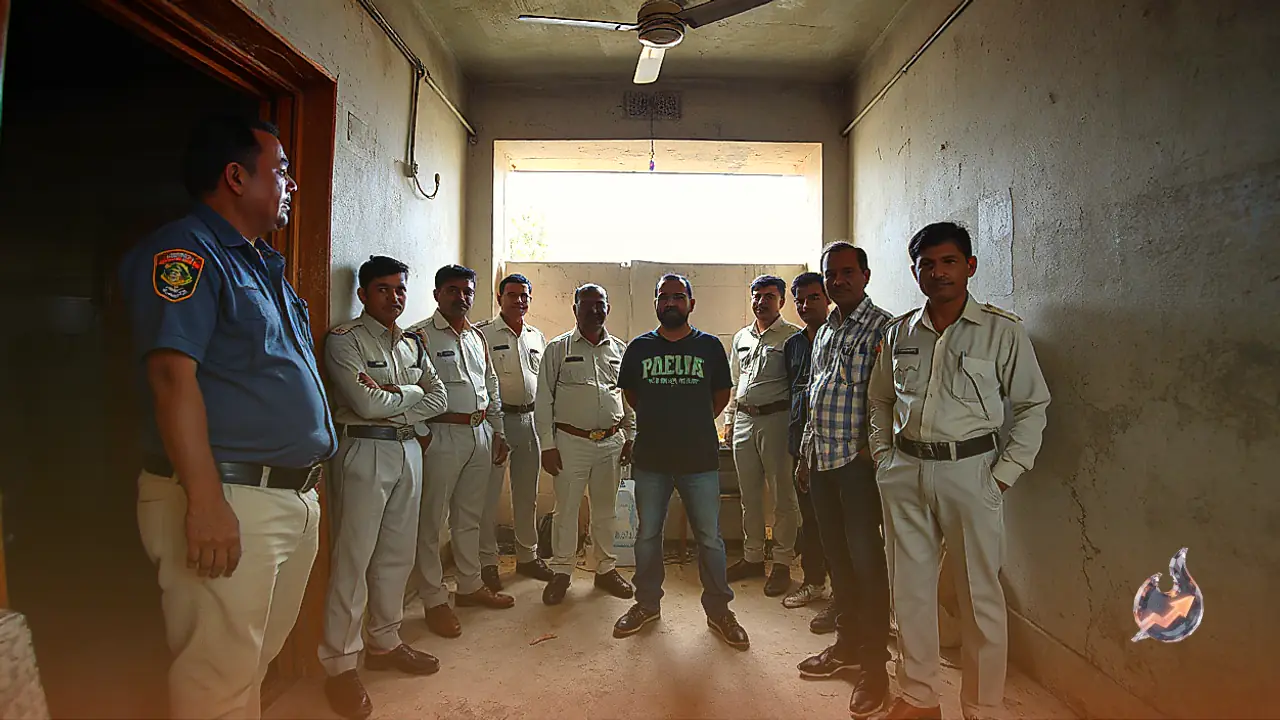
All four occupants inside the vehicle were promptly detained for interrogation. During questioning, the suspects revealed the broader logistics behind their illicit enterprise, directing law enforcement officers toward an unassuming rented house situated in Kuntloor, located in the outer periphery of Hyderabad. When officers raided the premises, they uncovered a full-scale covert currency fabrication workshop.
Printing Workshop Discovered Inside Rented House
Upon entering the residential premises in Kuntloor, search teams discovered 134 distinct bundles of counterfeit Rs 500 bills neatly stacked across the room. The face value of the fake cash discovered within the apartment alone amounted to approximately Rs 6.70 crore. Combined with the Rs 8 lakh seized during the initial traffic interception, the total volume of fraudulent currency intercepted in the operation reached Rs 6.78 crore.
Beyond the stockpile of fabricated banknotes, investigators seized the entire mechanical pipeline used to manufacture them. The hardware inventory included high-resolution color inkjet printers, digital flatbed scanners, laptop computers, thermal lamination devices, and specialized cutting instruments designed to achieve exact border dimensions. The syndicate utilized these tools to mimic the look and tactile profile of authentic Reserve Bank of India notes.
Online Video Tutorials Used to Acquire Skills
Addressing the development, Dr. Tarun Joshi, Commissioner of Police for Future City, outlined how prime suspect Madupoju Karnakar acquired technical instructions for forging currency from internet video tutorials and social media platforms. The suspect methodically reviewed publicly available instructional material to learn graphic manipulation and production methods.
According to investigative findings, the workflow began with scanning genuine Rs 500 currency notes to create digital master files. The perpetrators then employed image manipulation software like Photoshop to alter specific visual elements and align layout features. After executing test runs on selected paper stocks, the printed sheets were processed through lamination and trimming stages to replicate official currency texture and appearance.
Discount Distribution Pitch Shifts to Outright Extortion
To offload their fabricated inventory into the local economy, the ring initially devised an aggressive marketing proposition. They pitched potential buyers an exchange ratio offering between Rs 3 lakh and Rs 4 lakh in bogus currency for every Rs 1 lakh in genuine cash. However, when cautious clients proved reluctant to participate in the high-stakes transaction, the syndicate pivoted toward an alternative extortion scheme.
Realizing the vulnerabilities of people looking to acquire black-market currency, the gang began trapping interested buyers. The operators would first display genuine rupee notes to establish trust and finalize a physical meeting. Once the target arrived at the agreed rendezvous with substantial cash reserves, the gang executed an aggressive staged ambush.
Impersonation Using Toy Firearms and Fake Police Credentials
The syndicate orchestrated their extortion operations by equipping themselves with counterfeit police identification badges, handheld walkie-talkie units, and realistic toy handguns. They also navigated the region in vehicles fitted with forged registration plates to evade detection. Upon cornering prospective buyers, gang members would pose as active police detectives conducting a surprise raid, terrifying their targets into abandoning their legitimate money.
Investigators documented at least two distinct incidents where the perpetrators successfully fleeced buyers of Rs 2 lakh and Rs 3 lakh in legal currency through this impersonation ruse. Instead of delivering counterfeit bills, the suspects leveraged fear of prosecution to rob their victims clean, confident that the targets could not lodge official grievances due to their own unlawful intentions.
Four Suspects Remanded While Accomplices Evade Arrest
Authorities have formally arrested four primary conspirators: Madupoju Karnakar, Chinnolla Manikya Reddy, Cherukupelly Rathnakar Reddy, and Karanam Ajay Kumar. Meanwhile, special police detachments continue search operations across multiple districts to apprehend three additional syndicate associates who managed to flee before the initial vehicle interception.
Detectives are actively tracing the full timeline of the clandestine workshop to determine when operations commenced and whether any substantial batches of counterfeit notes successfully permeated broader retail channels. Inquiries are also focused on tracking commercial vendors who provided the paper stocks, ink supplies, and electronic machinery used in the illegal enterprise.