
















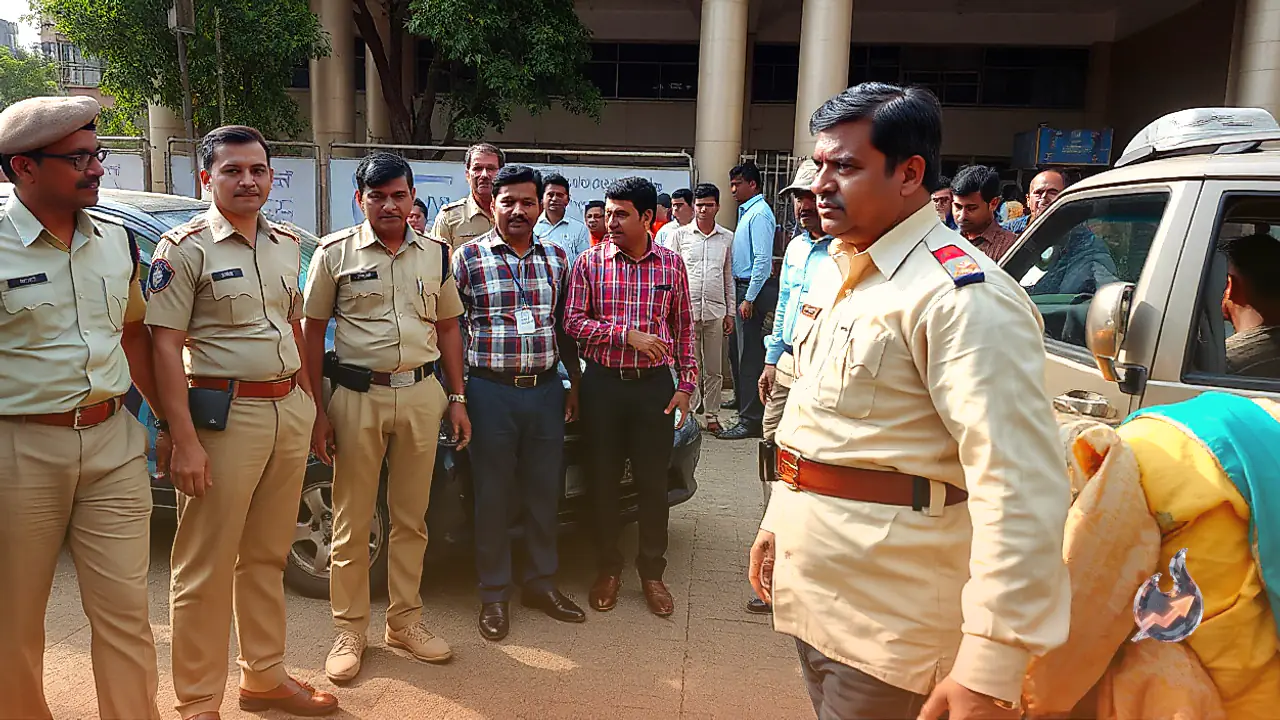

In a significant legal development, the Kerala High Court has cleared the way for police to initiate formal proceedings against an additional district and sessions judge following a fatal road accident involving a luxury vehicle. The incident, which took the life of a 55-year-old man, triggered widespread public outcry and protests by the grieving family, prompting administrative steps from the judiciary to ensure accountability.
Details of the Fatal Crash
The tragedy unfolded near Chenallur during the late hours, specifically between two and three in the morning on a Sunday, as Jayabalanthakrishnan was heading back home after closing down his local food stall. According to law enforcement records, the Mercedes-Benz involved in the crash was officially registered under the name of the additional district and sessions judge. Investigators noted that the vehicle was being driven at a high speed by the judge's 17-year-old son, who rammed it into the back of the victim's two-wheeler, resulting in instant death at the scene.
Legal Turns and Re-Arrest
Initially, local authorities registered the case under Section 106 of the Bharatiya Nyaya Sanhita, which deals with causing death by negligence. The minor driver was swiftly presented before the Juvenile Justice Board and released on bail on October 25, a move that enraged the victim's relatives. Following intense protests staged by the family outside the Cheranallur police station, the teenager was taken back into custody. Authorities subsequently upgraded the charges to Section 105 of the Bharatiya Nyaya Sanhita, which pertains to culpable homicide not amounting to murder.
Family Outrage and Court Intervention
The family of the deceased voiced deep distrust in the local police handling, alleging that the initial leniency was shown because the accused is the son of a high-ranking judicial official. On the morning of October 26, the daughter of the victim publicly declared her resolve to fight relentlessly for justice, stating that neither the judge nor the teenager would be allowed to evade responsibility. She criticized the tendency to treat grave offenses lightly simply because the perpetrator is a minor. Following these developments, the high court issued its administrative order on October 26, permitting investigators to proceed against the judge directly.