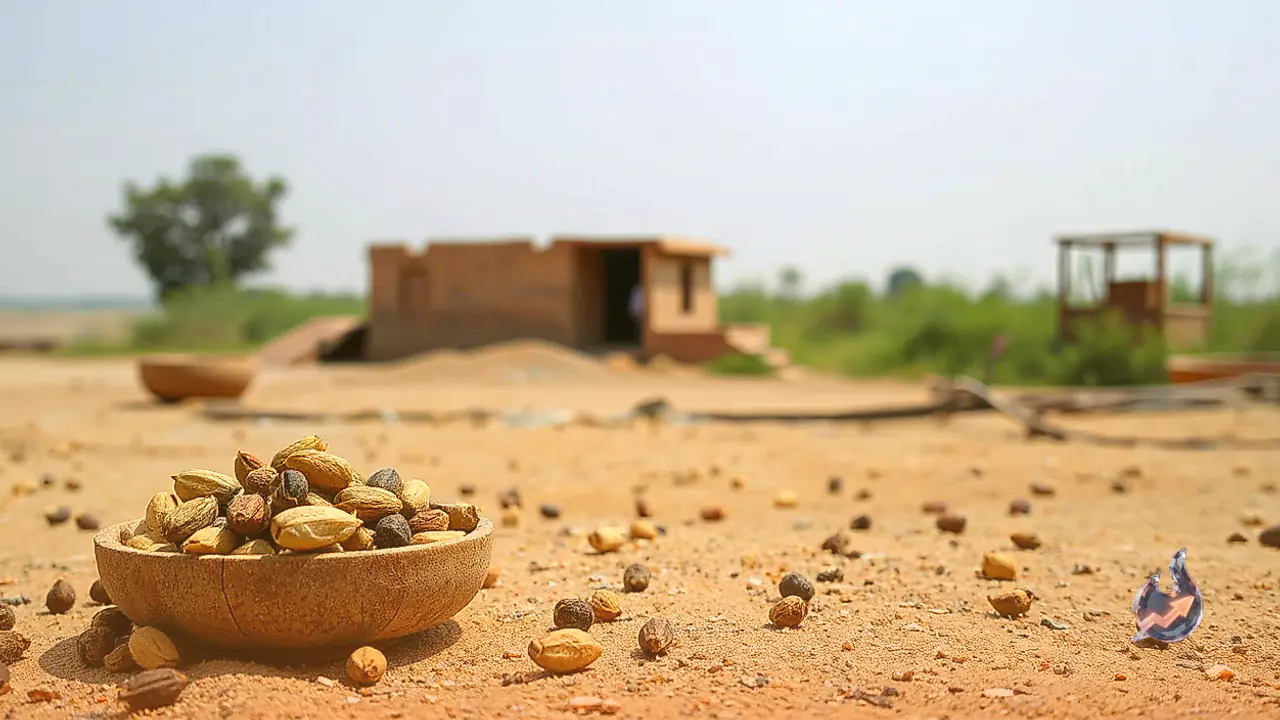
























Jimikand is widely used across Indian households to prepare various vegetable dishes. Packed with fiber and multiple nutrients alongside its distinct taste, it helps maintain digestive health and prevents conditions like constipation. Traditional healing systems have long incorporated this vegetable into various remedies.
Benefits for Digestion and Constipation
According to Vaidya Dr. Abhishek Kumar Mishra, the dietary fiber present in jimikand assists in keeping the intestines functioning smoothly. Consuming it in balanced quantities eases bowel movements, which can help alleviate constipation. However, it is not strictly necessary that it provides benefits for every single stomach-related ailment.
Relief for Piles Patients
Jimikand is also considered beneficial for individuals suffering from piles. Since it facilitates smoother bowel evacuation, it can offer some comfort from piles symptoms. Nevertheless, proper medical advice from a qualified doctor remains essential for treating piles lumps and associated complications.
Skin Irritation and Handling Precautions
Dr. Mishra notes that jimikand contains certain compounds that can prove harmful to the body. Direct contact with its raw juice or improper cutting can trigger skin itching and burning sensations. Therefore, adequate caution must be exercised while chopping it, and it should always be consumed thoroughly cooked. Consulting a physician before using it to treat any disease is strongly recommended.
Special vegetable dishes featuring jimikand are prepared in many homes during the festival of Diwali. This practice is also linked to religious beliefs and deep-rooted faith. Because the vegetable is packed with medicinal properties, the tradition of eating it during Diwali has continued over generations.
Nervous System and Paralysis Use
In traditional medicine, jimikand has historically been utilized for paralysis patients and neurological issues. However, sufficient scientific evidence supporting its effectiveness in these specific conditions is still lacking. Consequently, patients dealing with such disorders should avoid using it as a treatment without direct medical supervision. Doctors observe that various stomach ailments tend to surface between September and November, making the traditional consumption of jimikand during Diwali significant. Yet, relying solely on jimikand during a stomach issue instead of seeking professional medical help should be avoided.