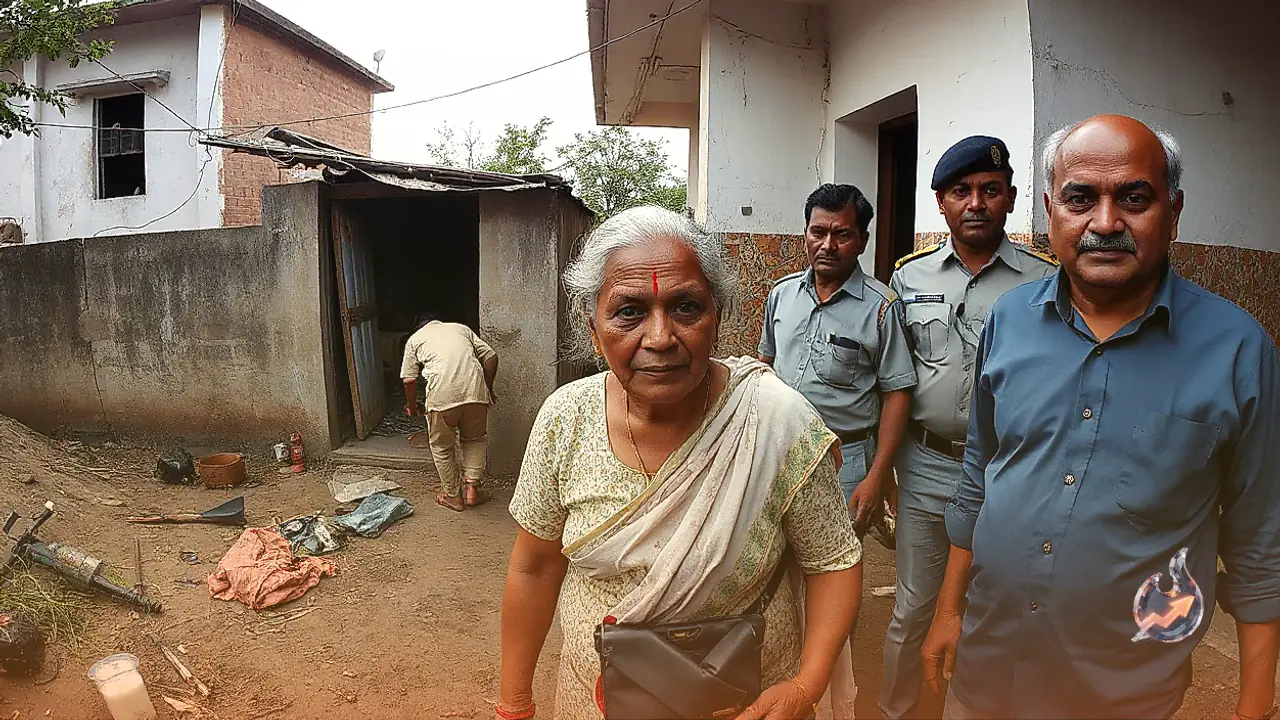

























Saurabh Chandrakar, the key figure behind the multi-crore Mahadev online betting syndicate, has been extradited from Oman and brought back to India. Operating from foreign soil, the accused had orchestrated an extensive illegal betting empire running into thousands of crores while remaining beyond the immediate reach of Indian authorities. A coordinated push by the Central Bureau of Investigation (CBI) and the Enforcement Directorate (ED), working in tandem with international law enforcement partners, paved the way for his custody transfer via Muscat. This cross-border operation marks a significant breakthrough against transnational betting rings, setting the stage for his formal appearance before a special CBI court in Raipur where the syndicate's operational structure will face detailed judicial scrutiny.
The Interpol Red Corner Notice and the Muscat Operation
Securing the return of Saurabh Chandrakar required a sustained international effort initiated through an Interpol Red Corner Notice. Acting on this global alert, authorities traced his location to Oman, enabling the Royal Oman Police to apprehend him. Following his detention, the CBI and the ED acted swiftly by presenting formal extradition dossiers backed by documented evidence to the Omani government. Thanks to established diplomatic channels and close bilateral coordination between both nations, the authorities in Oman approved India's extradition request. A specialized team from the CBI then traveled to Muscat, took physical custody of the accused, and escorted him back to Indian territory.
Medical Checkup, Transit Remand, and Appearance Before Raipur Court
Upon his arrival in India, standard legal procedures were immediately set into motion. Officials are conducting the mandatory medical evaluation before seeking transit remand to transport Saurabh Chandrakar to Raipur. He is scheduled to be produced before the special CBI court in Raipur on the following day. The CBI has already filed two comprehensive chargesheets outlining the operational aspects of the case. Concurrently, the ED has been pursuing financial investigations under anti-money laundering laws, having previously attached assets worth crores linked to the accused alongside filing formal prosecution complaints.
Franchise Modules, Mule Bank Accounts, and Hawala Channels
Official investigations demonstrate that the Mahadev Book platform was not an isolated application, but rather an intricate, high-tech network operating across domestic and foreign jurisdictions. Functioning similarly to a corporate franchise model, the syndicate managed localized branch panels across multiple Indian cities. To conceal the substantial volumes of illicit capital generated from betting, the network systematically deployed numerous mule bank accounts. Illicit proceeds were layered through complex transaction chains to obscure the paper trail before being funneled overseas via informal hawala channels. Custodial proceedings in court are now expected to shed light on the syndicate's remaining operatives and the influential facilitators who enabled the operation.