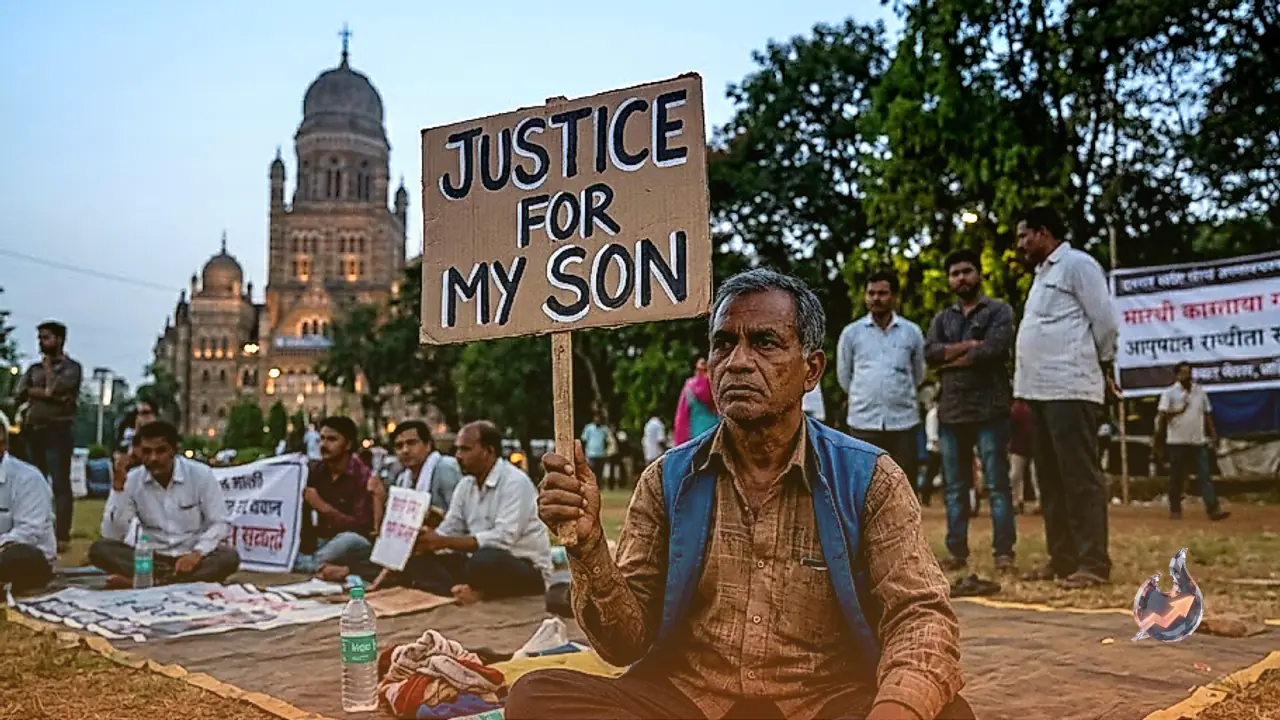






















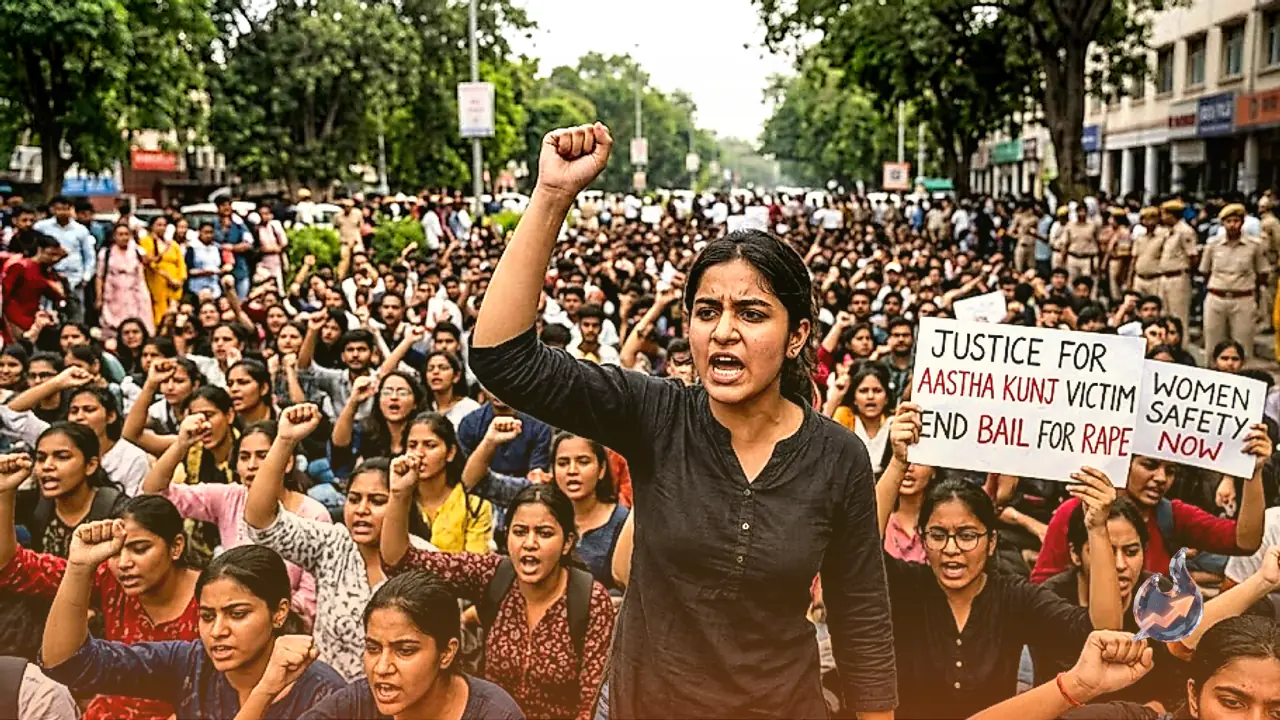

A wave of intense public indignation has swept across college campuses in Delhi following the shocking rape of a 17-year-old girl at Aastha Kunj Park, situated adjacent to Kalkaji Temple. The horrifying incident has triggered widespread distress and anger among young women pursuing higher education in the capital. Demanding immediate systemic accountability, female students from various colleges have mobilized demonstrations across the city to highlight chronic lapses in urban safety infrastructure and policing.
Scrutiny over Judicial Process and Bail Provisions
The demonstrations have swiftly expanded beyond condemnation of the specific assault, focusing sharp scrutiny on the legal framework and broader societal apathy. Student activists pointed out that when individuals implicated in brutal sexual offenses secure swift release on bail, it severely undermines public confidence in the judicial and law enforcement apparatus. Placards and slogans raised during the marches challenged both patriarchal mindsets and legal loopholes that fail to deter offenders.
“लड़के रेप करने के बाद 20 हजार की बेल पर छूट जाते हैं, क्या लड़कियों की औकात सिर्फ 20 हजार रुपये की है?”
Venting her frustration, one protesting student posed this stinging question, asking whether the dignity and lives of women are valued at a mere twenty thousand rupees. Protesters argued that releasing rape accused on such nominal monetary bonds sends a dangerous signal, trivializing the trauma of survivors and diminishing the gravity of gender-based violence. They demanded that bail conditions in severe sexual assault cases be re-evaluated to reflect zero tolerance.
Challenging Victim-Blaming and Demanding Accountability for Men
A central theme of the protests was the entrenched practice of moral policing and victim-blaming. Demonstrators criticized the routine official and societal response that advises young women to stay indoors, monitor their movements, and practice self-restraint whenever a violent crime occurs. The students asserted that genuine safety will remain unattainable until the discourse pivots toward holding men accountable and instilling mutual respect and civic responsibility.
The activists also denounced cultural attitudes that reduce women to objects rather than treating them as equal citizens entitled to unhindered public spaces. Curtailing the mobility and freedom of women under the pretext of protection, they argued, merely sidesteps the core issue of law enforcement and male behavior. What began as an outcry against an isolated tragedy has rapidly grown into a broader student-led movement demanding comprehensive institutional reform, structural accountability, and cultural transformation.