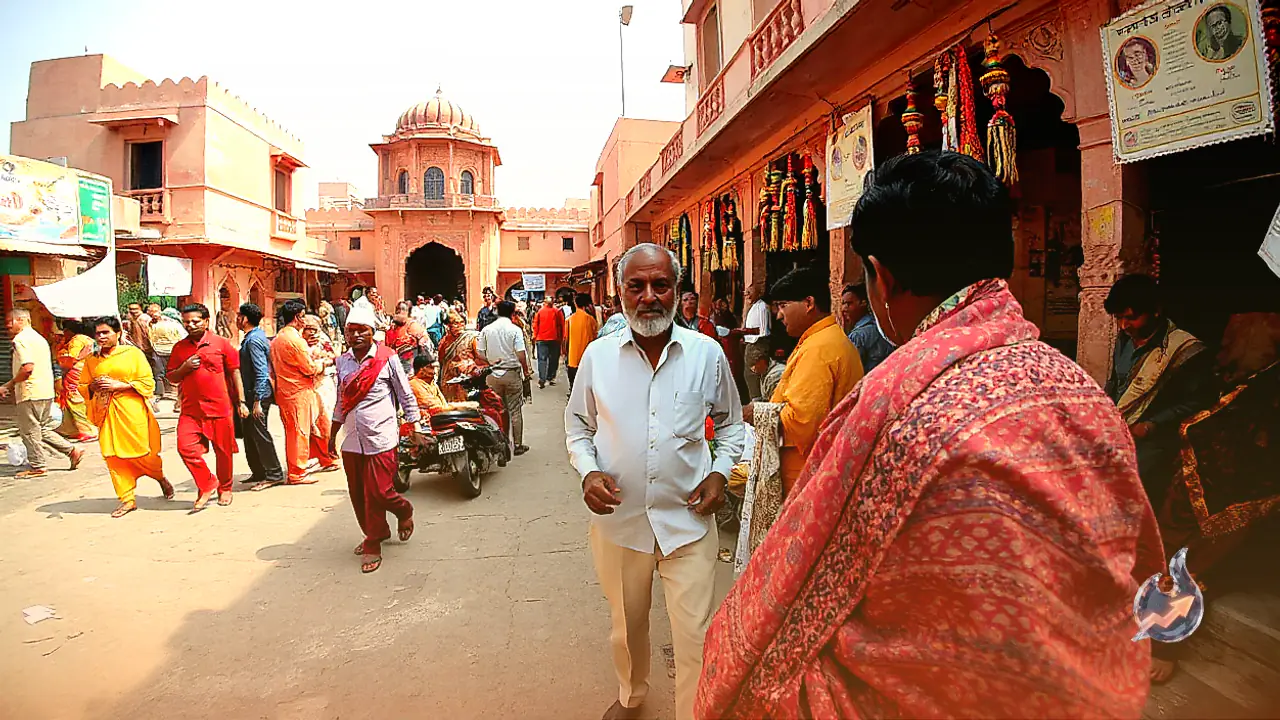

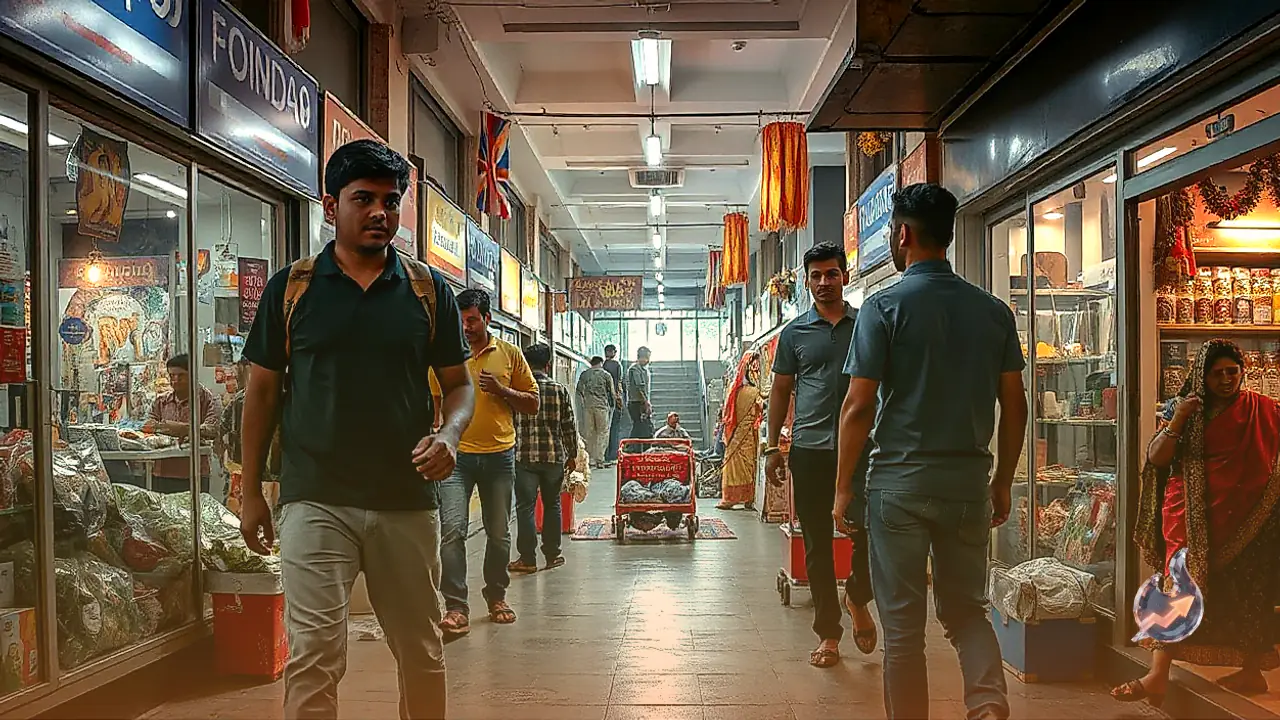















Even as modern manufacturing processes and 3D printing transform the jewellery industry with rapid automated production, the historic craft of handmade ornament making continues to hold its ground in Hyderabad. Across the bustling heritage lanes of Charminar, Laad Bazaar, Gulzar Houz, and the Pot Market in Secunderabad, generational artisans still practice hand engraving and Meenakari enamelling with uncompromised dedication, ensuring these time-honoured techniques stay vibrant.
A Heritage Rooted in Nizam Era Craftsmanship
Ever since the reign of the Nizams, Hyderabad has served as a prominent hub for natural pearls, studded jewels, and detailed metal artistry. Senior craftspeople operating in the city’s older quarters engrave names and ornate motifs directly onto gold and silver mangalsutras, pendants, rings, and traditional silverware based on custom customer requests. The meticulous craft demands absolute focus and steady patience, relying on slender iron chisels and engraving styluses rather than automated templates. Using these handheld tools, artisans carve delicate inscriptions in Hindi, English, Urdu, and Telugu, alongside cultural patterns featuring peacocks, floral vines, and traditional foliage.
The Art of Firing Colours in the Kiln
To infuse these engraved metal surfaces with vivid hues, craftsmen employ Meenakari, an enamelling tradition tracing back to the Mughal era. In this method, artisans carefully apply specialised natural or mineral-based pigments into the hand-carved grooves of the metal piece. The ornament is subsequently fired in a high-temperature kiln, a delicate heat treatment that permanently sets and hardens the brilliant colours. While cities such as Jaipur and Varanasi remain major historic centres for Meenakari, the craftsmen of Hyderabad blend local cultural motifs with Deccani design elements, lending their work a distinctive aesthetic.
Personal Touch Outlasting Automated Production
Jewellers and bullion traders in the city point out that automated machines may offer speed, but they cannot replicate the natural depth, delicate finish, and emotional warmth inherent in hand-carved metalwork. For milestone celebrations such as weddings, customers continue to commission artisans to carve auspicious emblems and personal names onto their most cherished ornaments. Today, a new generation of younger artisans is stepping forward to preserve this family heritage, updating classical motifs to suit contemporary tastes and ensuring Hyderabad’s artisanal legacy endures.