


















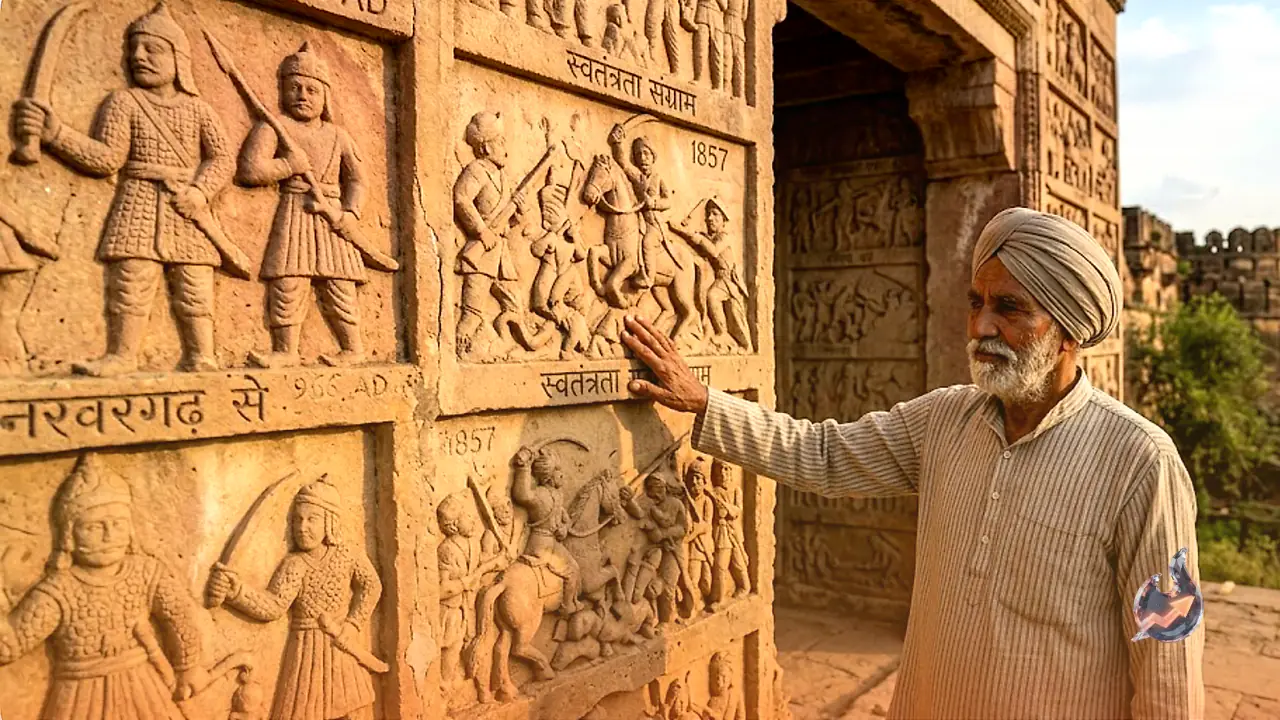

The soil of Amethi has given India many cherished names and proud legacies, and the Kohra estate is one of them. Its history is not merely the story of a royal house rising and ruling. It is a living document of the foundations of Indian culture, of bravery, of sacrifice, and of the fire of freedom that blazed against foreign rule. The estate was founded in 1636 on the sacred occasion of Ganga Dussehra, and its history is as old as it is fascinating, capable of stirring patriotism in a new generation.
From Narwargarh to Amethi: Where the Roots Begin
The roots of the Kohra estate connect to historic Narwargarh in Madhya Pradesh. Prince Sodh Dev of Narwargarh (966 to 1006) laid the foundation of the Amethi state in 966 AD. Carrying forward the tradition of this dynasty, Prince Himmat Sah, the younger son of Amethi's king Vikram Sah (1599 to 1636), established the Kohra estate in 1636 AD on the auspicious occasion of Ganga Dussehra in the month of Jyeshtha. His contribution is still recorded on stone as a piece of historic heritage.
Chaturbhuj Dham and the Founding of Kohra Fort
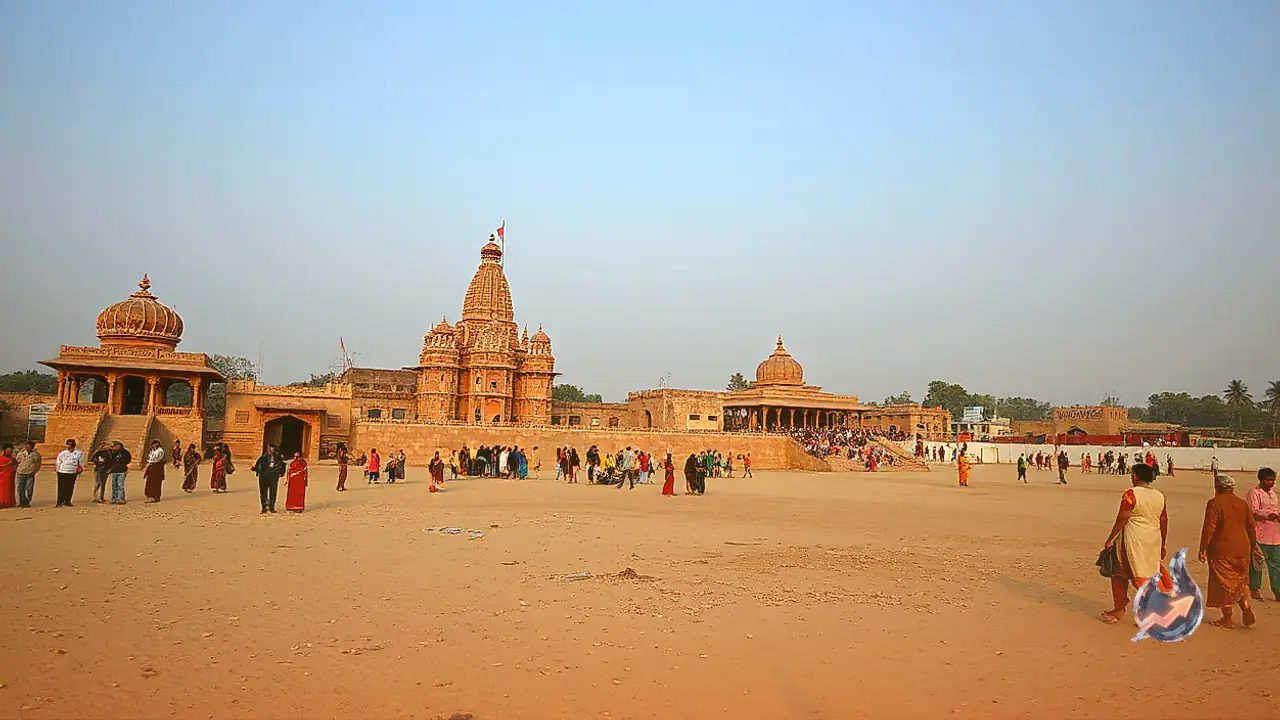
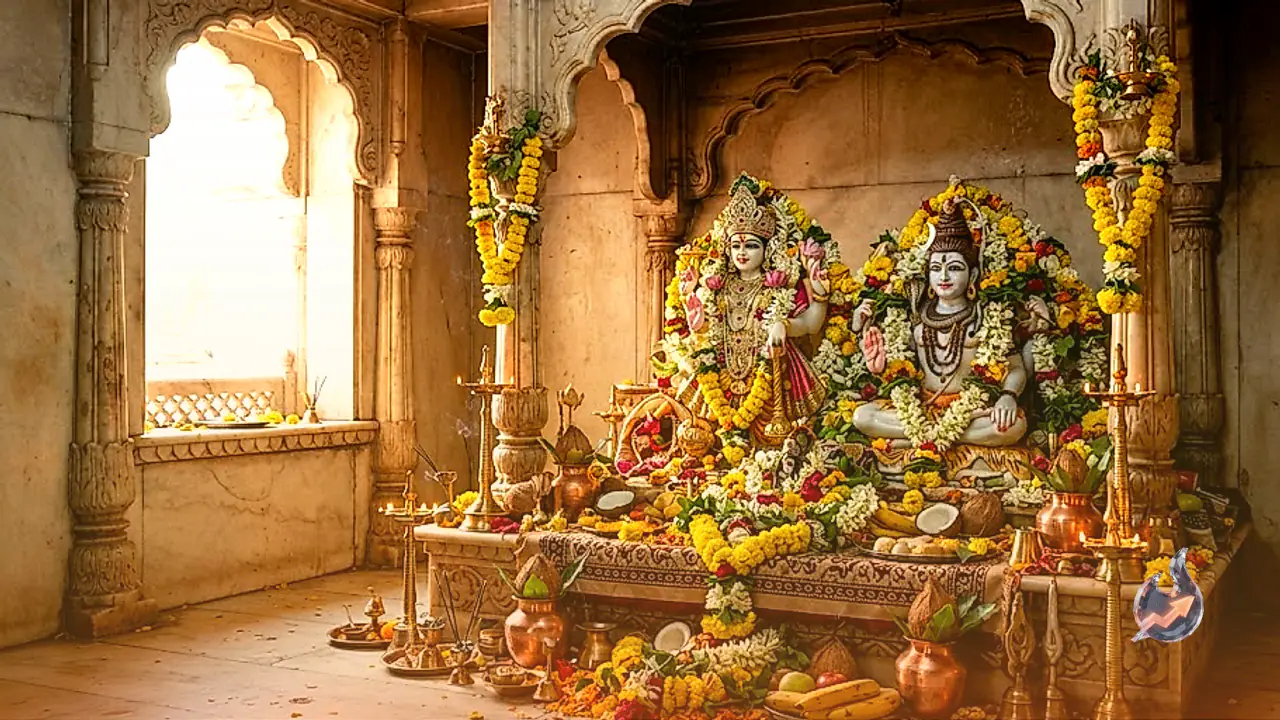
Babu Himmat Sah first built a grand temple to Lord Vishnu in the region, known to this day as "Chaturbhuj Dham". Only after consecrating this temple did he build the Kohra fort, where his coronation took place and he became the first ruler of Kohra. The temple's story is all the more remarkable because it was here that all the talukdars of the estate would later plan the strategy of the freedom struggle.
The 1857 Uprising and the Valour of Babu Bhoop Singh
Under British rule, the Kohra estate became a major hub for freedom fighters. During the First War of Indian Independence in 1857, Kohra's then ruler Babu Bhoop Singh emerged as a towering hero of the revolution. He played a leading role in the freedom struggle of Awadh and joined the historic siege of the Lucknow Residency alongside his army. In the battles of Chanda and Kadunala in Sultanpur district, Babu Bhoop Singh dealt the British a crushing blow.
British Repression and the Destruction of the Fort
Rattled by Babu Bhoop Singh's indomitable courage, the British government unleashed a string of atrocities on the estate. Heavy taxes were imposed, and through oppressive policies the authorities tried to economically exploit and crush the people of the region. A detachment of British soldiers was sent to Kohra, where it seized a large quantity of weapons and issued a cruel order to demolish the historic Kohra fort. Even today, the ruins of that magnificent fort stand among clumps of bamboo, bearing witness to its glorious past. Later, the descendants of Babu Bhoop Singh fought a long legal battle, after which the Kohra estate was freed from British control and its rights were restored.
The Rulers of the Estate and Today's Custodian
Many influential talukdars ruled this estate. One of them was Babu Umanath Singh. After Babu Shiv Bahadur Singh, his brother Babu Umanath Singh (1993 to 2017) became the next head of Kohra. He served as a professor of history at Awadh University and was a founding member of the 'Uttar Pradesh Itihas Congress'. He made significant contributions to education and the compilation of history while caring for the estate.
It was in this proud lineage of Babu Himmat Sah that Babu Bhoop Singh, the hero of the 1857 revolution, was born. Over time, several rulers held the reins of Kohra State, among them prominent names such as Kunwar Himmat Singh, Babu Bhoop Singh, Babu Shiv Dayal Singh, Babu Devi Dayal Singh, Babu Mahavir Singh, Babu Beni Bahadur Singh, Babu Pratap Bahadur Singh, Babu Shiv Bahadur Singh, Babu Umanath Singh and Babu Sanjay Singh. At present, the estate is led by Babu Raghvendra Pratap Singh (Abhay Singh). The Kohra Rajbhavan still carries its history proudly etched in stone, keeping alive this immortal tradition.