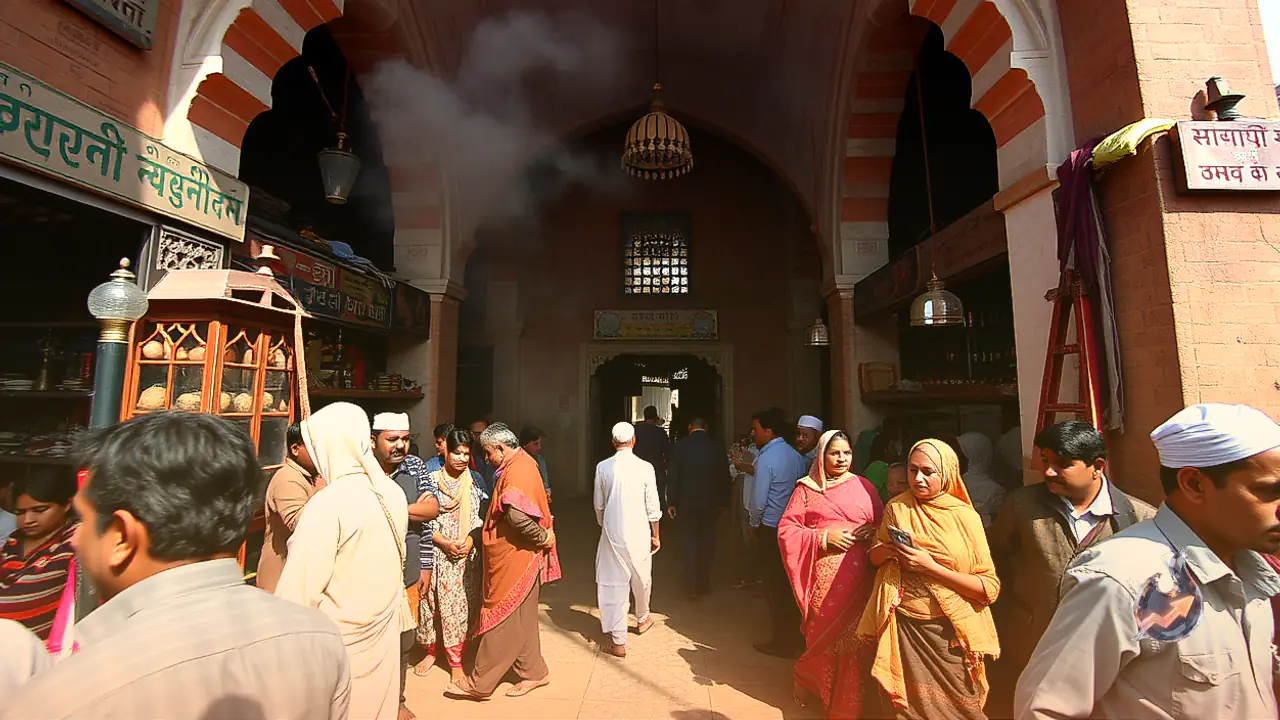



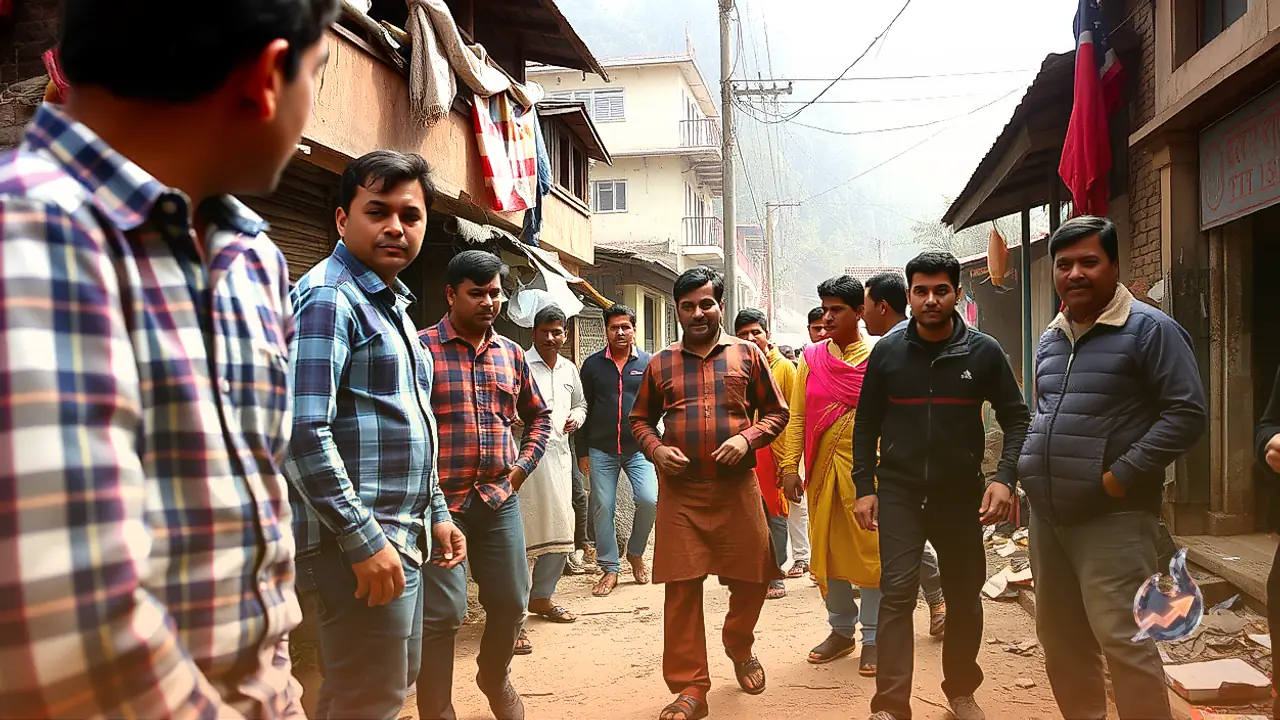





















When discussing the folk songs and rich cultural heritage of Bihar, mentioning Botohiya is simply unavoidable. Many people also recognize this iconic composition by its opening line, Sundar Subhumi Bhaiya. In cultural circles, it is widely celebrated as the Vande Mataram of Bhojpuri. To truly understand why it holds such a prestigious title, we must look back at the year 1911. During that era, a distinguished scholar and lawyer named Raghubir Narayan lived in the Saran district of Bihar. The legendary Dr. Rajendra Prasad had advised him to write extensively in his own mother tongue. He urged Raghubir Narayan to compose in his native dialect and become the voice of his native soil. This profound advice left an indelible mark on the writer. Consequently, he penned the Botohiya song in Bhojpuri, which gradually captured the hearts and minds of the common people.
The Poetic Chronicle of Indentured Laborers and Homesickness
In the Bhojpuri dialect, the word Batohi refers to a traveler or a wayfarer. Botohiya is an affectionate way of addressing that very traveler. However, the emotional core of this song extends far beyond merely praising the natural beauty of the motherland; it harbors the agonizing pain of living far away from loved ones. During the oppressive era of British colonial rule, countless impoverished laborers from Bihar and eastern Uttar Pradesh were forcefully or forcibly persuaded to migrate to foreign lands for manual labor. They were deployed to work on distant agricultural plantations and came to be known historically as indentured laborers. These individuals were compelled to spend their lives thousands of miles away from their homes, families, and native country. The Botohiya song brilliantly portrays the heartbreaking plight and helplessness of one such laborer.
A Plea to Witness the Homeland From Foreign Shores
When a laborer living in a foreign land catches sight of a traveler heading toward India, he earnestly pleads with the traveler to bring back news of his motherland. He deeply desires that the traveler visit India and witness his beloved homeland with his own eyes. The famous lines of the song go: Jau-jau Bhaiya Re Batohi, Hind Dekhi Au... This translates directly to mean that oh traveler brother, you must visit India and return after seeing my beloved country. These poignant words encapsulate the lingering sorrow of a person who constantly longs for his birthplace in his heart, yet finds himself completely unable to return despite his strongest desires.
A Harmonious Blend of Natural Splendor and Cultural Heritage
The song further unfolds by vividly describing the geographical magnificence of India. It portrays the country as a glorious land upon which every single citizen should feel immense pride. Lines such as Sundar Subhumi Bhaiya Bharat ke Deswa se... eloquently express the incomparable beauty of the nation. According to the lyrics, the majestic Himalayas stand as a protective shield for this great country, while the vast oceans stretching across three sides enhance its unique natural charm. However, the ultimate significance of this literary creation does not merely lie in mentioning rivers, mountains, and oceans, but in offering a living glimpse into India's timeless culture and enduring traditions.
From Vedic Wisdom to the Teachings of Great Sages
This remarkable composition weaves together the profound wisdom of the four Vedas alongside the sacred mythological stories of Lord Rama, Mother Sita, and Lord Krishna. Furthermore, it incorporates inspiring reflections from the teachings of great historical figures, philosophers, and social reformers such as Lord Buddha, Mahavira, and Kabir. In essence, through the medium of Botohiya, Raghubir Narayan successfully encapsulated not just the external beauty of India, but its entire cultural legacy and spiritual heritage into a single unified masterpiece.
Igniting the Flame of Patriotism During Colonial Bondage
Slowly and steadily, this stirring song transcended the boundaries of rural villages in Bihar and found its way onto the lips of the common masses. People discovered within its verses an intense expression of love and pride for their motherland. This compelling reason is why it rightfully earned the title of the Vande Mataram of Bhojpuri. During a period when the entire nation remained shackled under brutal British colonial rule, this song played a pivotal historic role in reminding citizens of the immense value of their native language, culture, and country. Although the passing of time has made this song less frequently heard in daily public discourse today, its intrinsic cultural importance and relevance remain entirely undiminished.
Singers From Seven Countries Uniting to Give Voice to the Anthem
The most extraordinary and unique characteristic of this song is that its resonance was never confined solely to the geographical borders of India. People of Indian origin living across various corners of the globe kept it closely tied to their memories and cultural roots. A historic milestone was reached when a collective group of 11 talented singers hailing from seven different countries including India, Suriname, Holland, Mauritius, Trinidad, Guyana, and Fiji gathered to jointly perform this timeless song. These artists included descendants of those very indentured laborers whose ancestors had once left their native soil behind to cross the seas in search of livelihood. Even though multiple generations of their families were born and raised abroad, their emotional umbilical cord with India never snapped. Songs like Botohiya continuously reminded them of their ancestors' soil, their native language, and their ancient cultural identity.