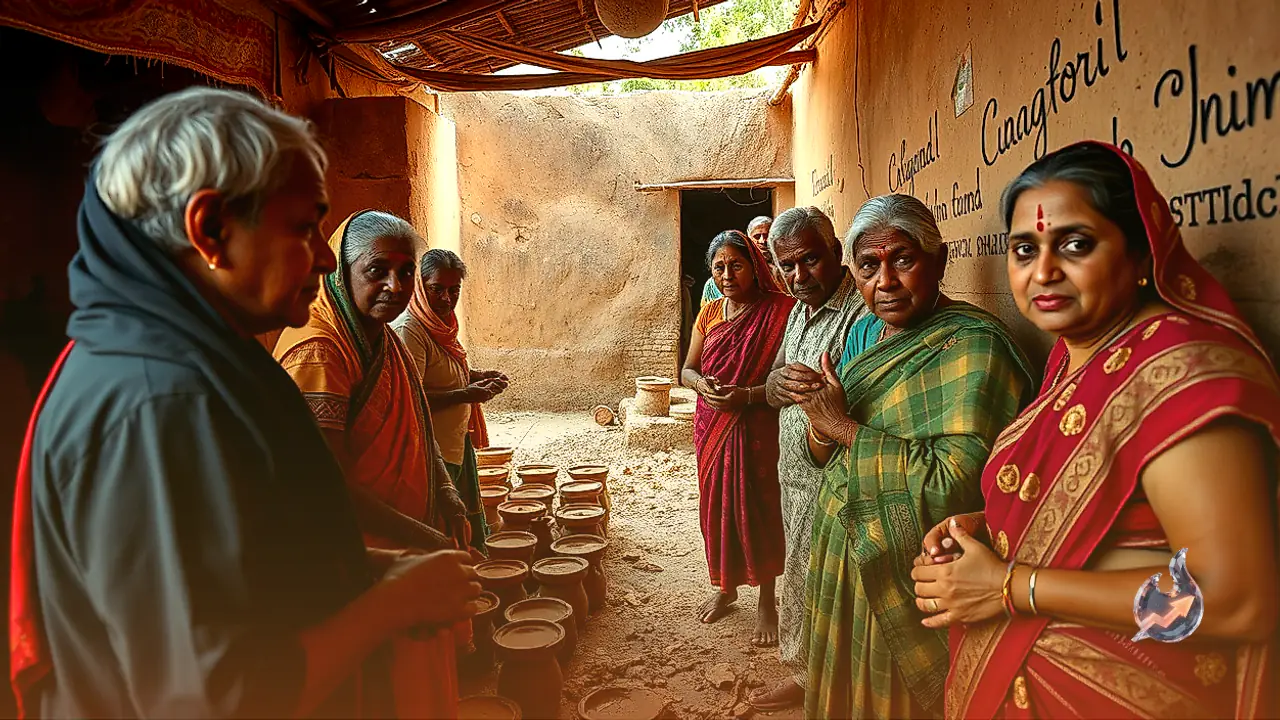




















In the historic lanes of Jaunpur, Uttar Pradesh, the gentle bubbling rhythm of the traditional hookah once defined social gatherings and evening leisure. During its heyday, the pipe was far more than an instrument for smoking; it stood as a distinguished emblem of aristocracy, courtly etiquette, and community bonding. Across village squares, aristocratic residences, and neighborhood verandas, the hookah served as the focal point of hospitality and conversation. People would sit together for uninterrupted hours, sharing thoughts as the pipe was passed around in a gesture of mutual warmth and fraternity. Today, the accelerated pace of contemporary life has pushed this age-old custom to the margins. A sweeping transformation in everyday lifestyles and the changing tastes of newer generations have dragged the traditional hookah commerce in Jaunpur into deep distress.
Quiet Stalls Beside the Historic Atala Mosque
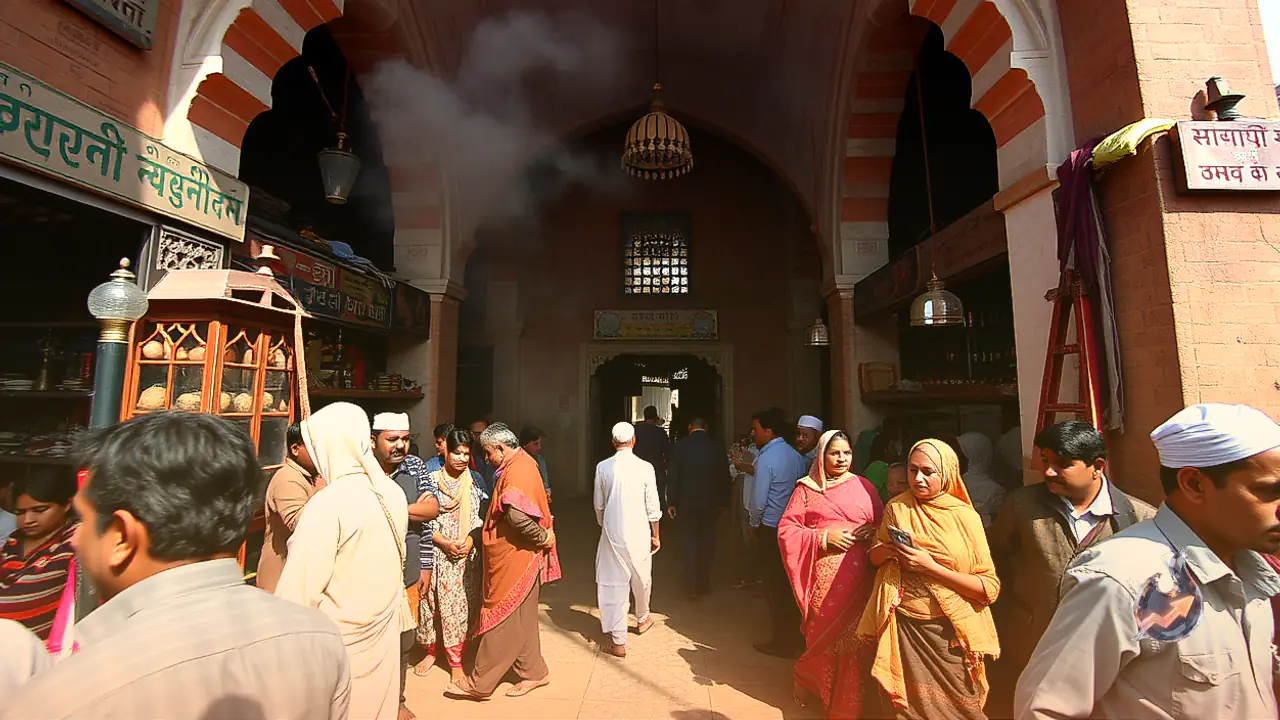
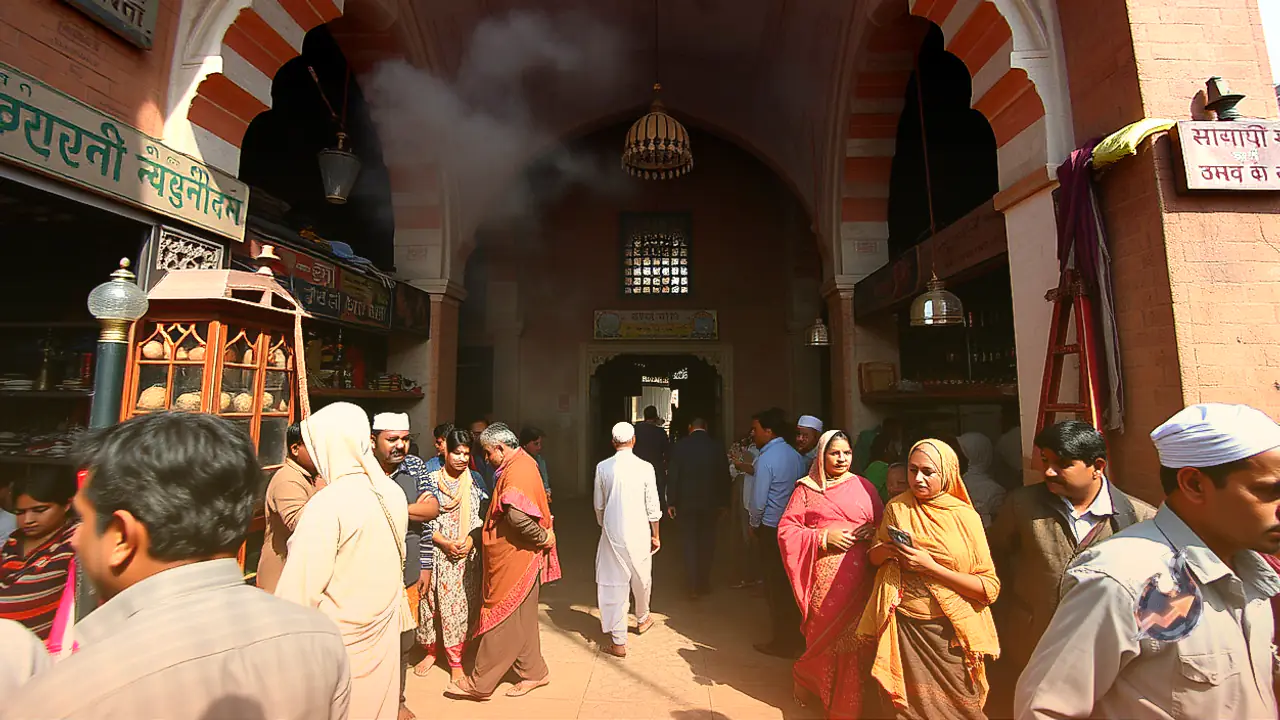
The vicinity surrounding the renowned Atala Mosque in Jaunpur has long served as a vibrant marketplace for heritage goods and traditional smoking instruments. Haider, a shopkeeper who runs his hookah establishment near this landmark monument, has witnessed this painful shift firsthand. Reflecting on the downturn, Haider notes that sales have plummeted to historic lows compared to earlier years. Footfall has declined so steeply that many shopkeepers now struggle to cover basic recurring operating expenses, including store maintenance and utility costs. With customer visits dwindling by the day, merchants who have spent decades catering to this trade are finding it increasingly arduous to secure everyday livelihoods from their counters.
Generational Shifts and the Vanishing Communal Culture
The steady erosion of the hookah market stems fundamentally from shifting consumer habits and altered domestic routines. While elder generations revered the hookah as a symbol of regional heritage, pride, and refined leisure, contemporary youth hold very little affinity for the practice. Modern existence leaves little leisure time for the prolonged porch-side gatherings of the past, nor does it encourage the deliberate patience needed to tend to a traditional water pipe. Fast-moving alternatives and portable modern consumer products have flooded retail shelves, progressively replacing time-honored implements. As collective neighborhood assemblies fade away from both urban and rural environments, the cultural ecosystem that sustained this trade for generations has largely dissolved.
Hanging on to Heritage Amid Uncertain Prospects
Despite bleak ledger sheets, Jaunpur hookah vendors continue to open their shutters in hopes of an eventual revival. Shopfronts that once hummed with lively patronage and steady transactions now endure prolonged periods of silence. Traders still nurture the modest expectation that antiquarians and connoisseurs of Awadhi craft might eventually help revive interest in authentic artisanal pipes. Nevertheless, the prevailing market conditions paint a difficult picture. The water pipe that once formed an integral element of Nawabi splendour is rapidly turning into an archival memory. Navigating sharp drops in patronage while preserving ancestral livelihoods remains an overwhelming challenge for Jaunpur traditional shopkeepers.