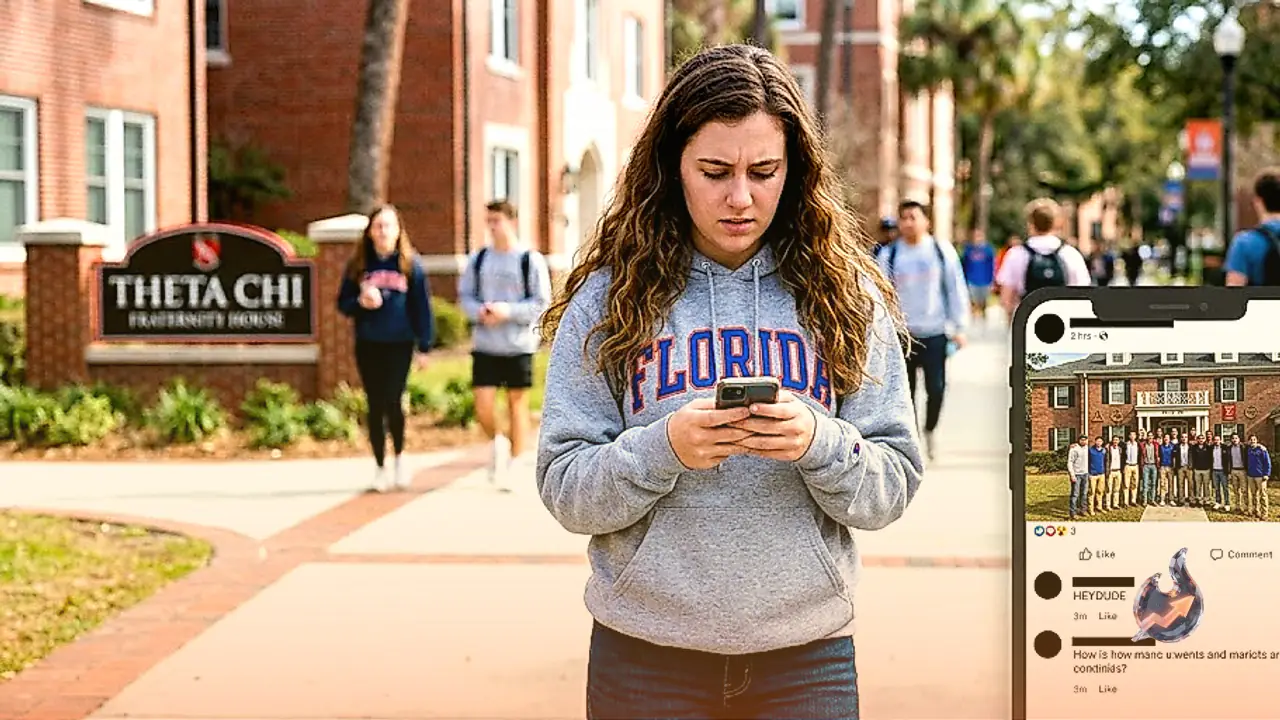
























Looking for a romantic partner on digital platforms has increasingly turned into an ordeal where personal details risk being converted into viral amusement. Bizarre profile prompts, awkward opening lines, and private conversations are frequently captured and broadcast across social networks to entertain millions. In response to mounting concerns over digital privacy and uninvited public shaming, dating platform Hinge has rolled out screenshot restrictions in India. The safety measure directly blocks screen capture on pages containing personally identifiable information, protecting users from having their dating footprints broadcast without their knowledge.
The Lucrative Economy of Profile Mockery
An entire genre of digital content has emerged across TikTok and X, where creators build substantial followings by broadcasting odd prompts, cringe-worthy pickup lines, and perceived dating red flags. Among those leveraging private exchanges is dating coach Chad Franklin, known online as @DefundSimping. Commanding 512,000 followers on TikTok, Franklin charges clients upwards of $5,000 for consultations tailored to straight, career-focused men who are navigating post-breakup or post-divorce phases. His stated goal is helping men unlearn simp behavior, which he describes as placing women on pedestals or offering excessive attention.
To promote his coaching, Chad Franklin occasionally posts direct communications from clients. In September, he circulated a private direct message where a woman suggested she could not afford an Uber ride, captioning it with advice never to date poor women. That same month, he shared a video showing a client's successful Hinge exchange discussing flirting over margaritas. In that clip, Franklin reacted enthusiastically, claiming such interactions excite him because they reflect an dynamic where men lead and women follow. The 30-year-old creator notes that existing online in 2026 inherently exposes anyone to becoming an unintentional viral spectacle. While users understand the risk of turning into a joke, he maintains that no one deserves public humiliation.
Hinge Restricts Profile Screen Grabs in India
Hinge has targeted specific high-risk surfaces within its app to implement the screen capture restriction in India. The blockade covers sections displaying personal identity details, including Discover, Likes You, and Standouts. With an active base of 30 million users worldwide, the company is conducting the test to evaluate whether limiting screen capture fosters greater trust among daters and strengthens confidence in the service.
While platforms such as Raya and Grindr have long featured screenshot blocking mechanisms, the Indian rollout represents the first time Hinge has deployed this protection. Insights gathered during the Indian trial will help the company decide whether to expand the restriction to additional regions. As of now, there are no plans to introduce screenshot blocking in the United States or other international markets. A company representative explained that this safeguard operates alongside existing protections like Comment Filter and Did This Bother You? to grant daters enhanced authority over where their private information circulates.
Public Reaction and the Ethical Dimension
The restriction in India swiftly triggered intense conversations across social channels, drawing substantial praise from commentators who view dating apps as increasingly toxic spaces. Writer Tres Dean remarked on X that users have turned dating platforms into a panopticon combined with a showcase for casual cruelty, describing the policy as perhaps the first ethical development in the history of online dating.
Echoing that relief, X user @randy_mossad posted that it is far better for a million unfaithful individuals to avoid exposure than for a single earnest dater searching for love to suffer humiliation through leaked chats. Florida creator Kiara, who previously shared screenshots to call out hypersexual or disrespectful men, expressed support for the safeguard. She observed that an anti-male trend has led some women to circulate profiles simply because they do not find the individuals attractive, calling such behavior unfair and mean-spirited.
Balancing Personal Privacy Against User Safety
The technical restriction also brings long-standing safety practices into question. Research published in the Journal of Computer-Mediated Communication in 2025 highlighted how screenshots induce privacy turbulence. By allowing recipients to store and circulate private correspondence without the author's awareness or agreement, screen capture dismantles shared boundaries of mutual discretion and strips away situational context.
Conversely, capturing profile images has long served as a crucial precaution for women navigating meetings with strangers. Communications researcher Lizzie Li pointed out that privacy remains in tension with safety, as screenshots help document threatening behavior and allow users to verify prospective dates with trusted friends. Groups like Are We Dating the Same Guy? emerged largely through the exchange of screenshots to mitigate genuine physical risks. To address this, Hinge continues to permit users to capture direct messaging threads with their matches to preserve evidence for reporting violations, recognizing that women face disproportionate harassment online. The platform maintains explicit community guidelines strictly prohibiting harassment, bullying, and intimidation.
Entitlement to Private Information
Alexis Ingber, an assistant professor at Syracuse University studying emerging technology and privacy, highlighted that outside observers clearly recognize screen-capturing as an intrusion they would dislike experiencing themselves. Despite this widespread unease, the behavior persists because dating profile mockery reflects an ingrained sense of entitlement to other people's data.
Chad Franklin, however, rejects the idea that platforms bear responsibility for preventing daters from turning into punchlines. He argued that anyone stepping into a dragon's den must anticipate getting bitten. Even so, managing a roster of 20 clients, Franklin claims he obscures names, lips, eyes, and facial features to shield people from online smear campaigns. For daters seeking absolute certainty against public exposure, he suggested avoiding digital apps altogether, proposing instead that individuals meet potential partners the old-fashioned way at farmer's markets or dog parks.