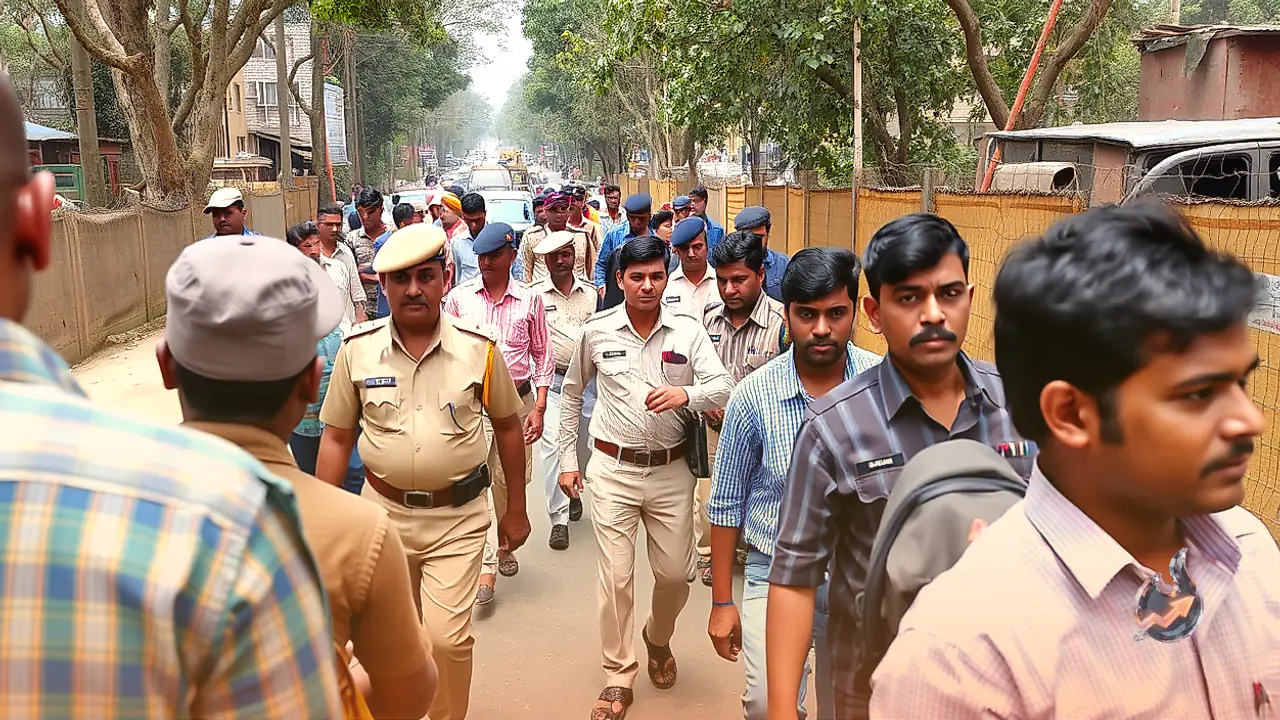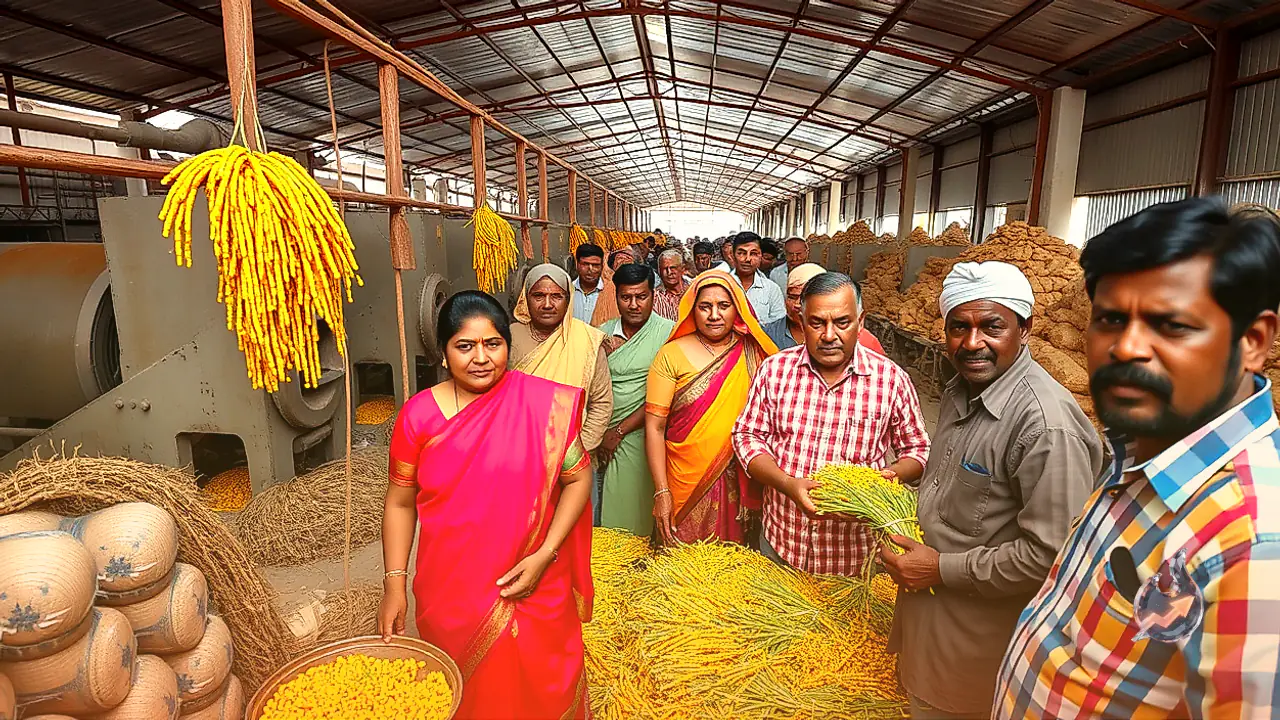


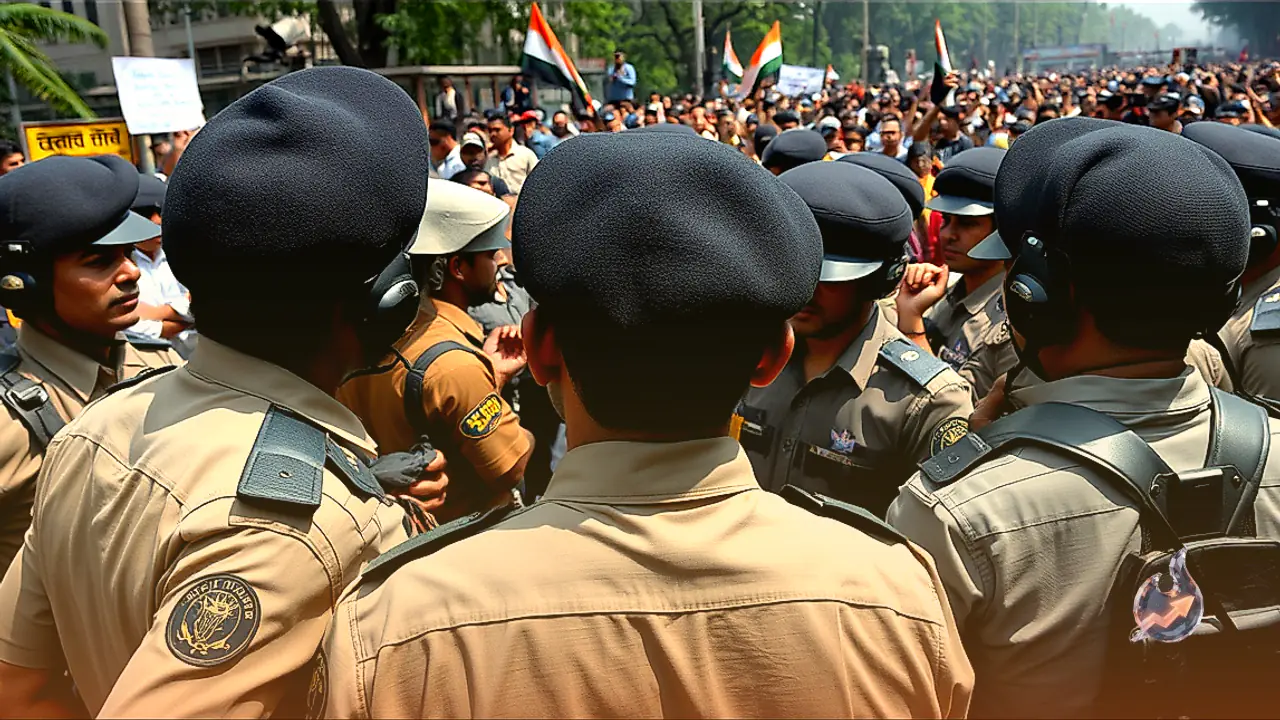

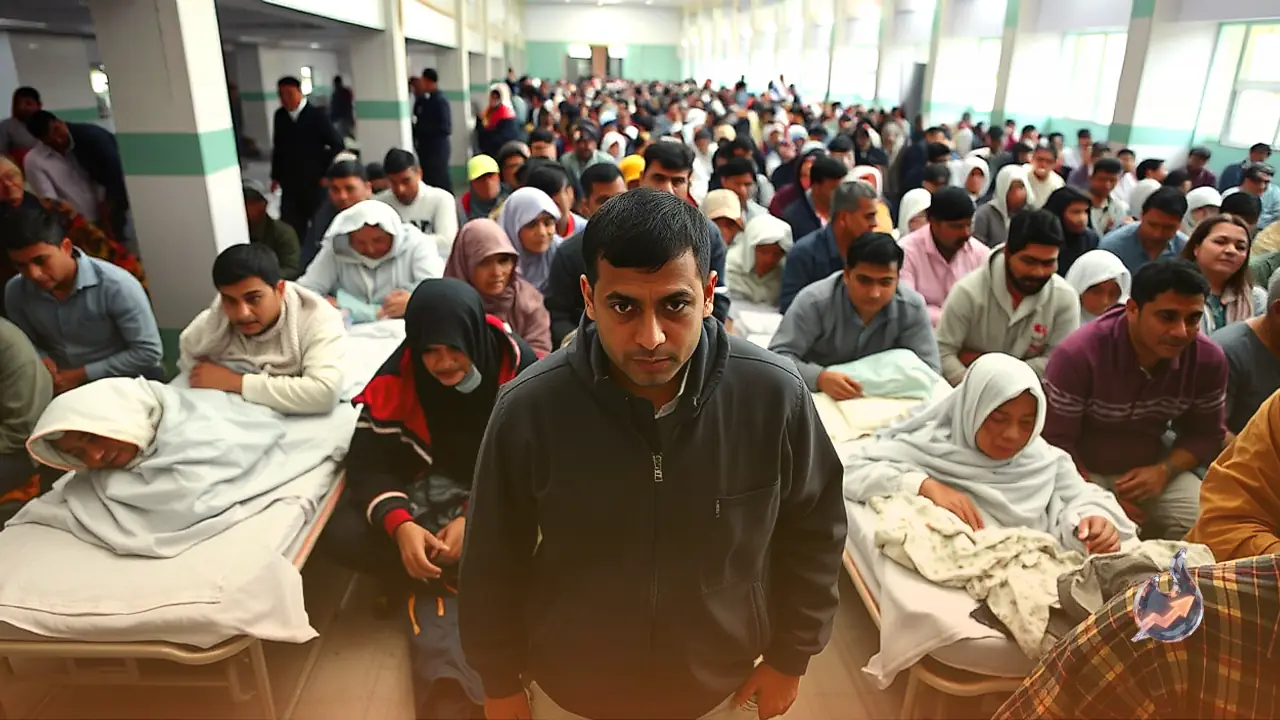















Pilgrims traveling to the sacred town of Chitrakoot, renowned across the world as the sanctified land associated with Lord Shri Ram, are set to get relief from recurring traffic gridlocks during major gatherings. Every month on Amavasya, alongside several prominent religious festivities, the holy town witnesses an influx of lakhs of devotees. People arrive from Uttar Pradesh, Madhya Pradesh, and various other states to take a holy dip in the Mandakini river, circumambulate Kamadgiri, and pay obeisance at revered shrines. Managing the massive concentration of vehicles has consistently strained municipal and administrative resources, necessitating a lasting infrastructural intervention.
Severe Congestion Around Shrines During Peak Gatherings
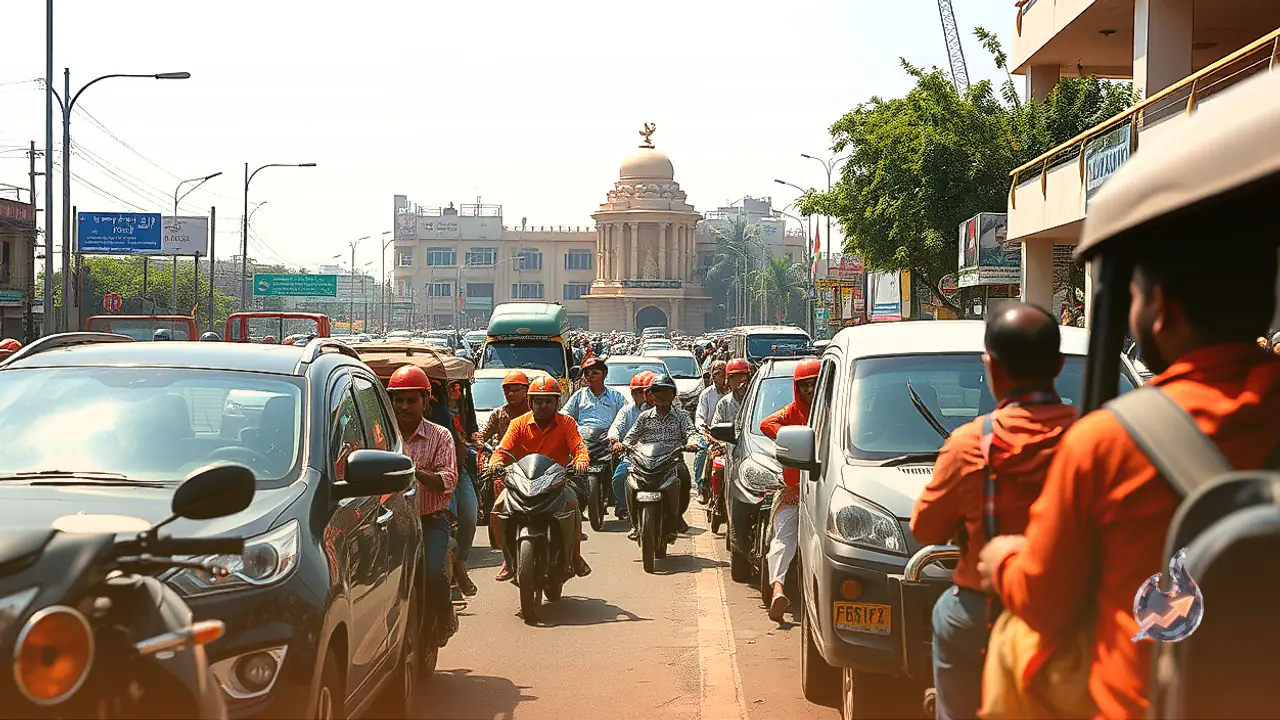
Whenever religious fairs occur, hundreds of tourist buses, private four-wheelers, and smaller vehicles move directly into the interior routes of the township. This unplanned vehicular density routinely chokes central access ways, causing massive inconvenience to local residents and visiting devotees alike. Key pilgrimage corridors such as Ramghat, the Kamadgiri Parikrama Marg, and other temple approaches experience severe pedestrian congestion when long lines of stationary vehicles block the narrow streets. Ensuring smooth passage for walking pilgrims and maintaining public order during peak festival hours had emerged as an uphill task for local authorities.
Planned Amenities and Budgetary Allocation of ₹1.5 Crore
To eliminate this recurring bottleneck, the district administration has formulated a dedicated development plan involving an investment of approximately ₹1.50 crore to build an expansive, modern parking facility. The project is being executed via the tourism department, aiming to improve visitor logistics and support religious tourism. The layout has been conceptualised not merely as an open ground for vehicles, but as a fully equipped facilitation hub catering to both passengers and drivers.
The upcoming parking zone will feature functional civic amenities including hygienic public toilets, uninterrupted clean drinking water supply, dedicated seating spaces, and comprehensive lighting across all corners. In addition, the entire compound will be placed under continuous electronic surveillance with CCTV cameras to ensure vehicular safety, prevent thefts, and maintain orderly movement throughout operational hours.
Strategy to Keep Religious Corridors Pedestrian-Friendly
Chitrakoot DM Pulkit Garg highlighted that the concentration of foot traffic spikes dramatically near Ramghat, Kamadgiri Parikrama Marg, and adjacent holy spots during the monthly Amavasya congregation. Allowing passenger buses and personal four-wheelers to venture deep into the urban core frequently causes gridlocks so severe that even walking becomes a challenge for the elderly, women, and children.
Under the revised arrangement, vehicles arriving from outside districts and neighboring states will be intercepted at this designated parking facility placed away from the sensitive core of the fair. Restricting unneeded vehicles from venturing into the central temple zones will keep the sanctified routes clear for pedestrians. The district administration expects that shifting vehicular parking to this planned site will preserve the sanctity of religious events, eliminate chaotic bottlenecks, and establish a well-regulated traffic system throughout the religious calendar.