



















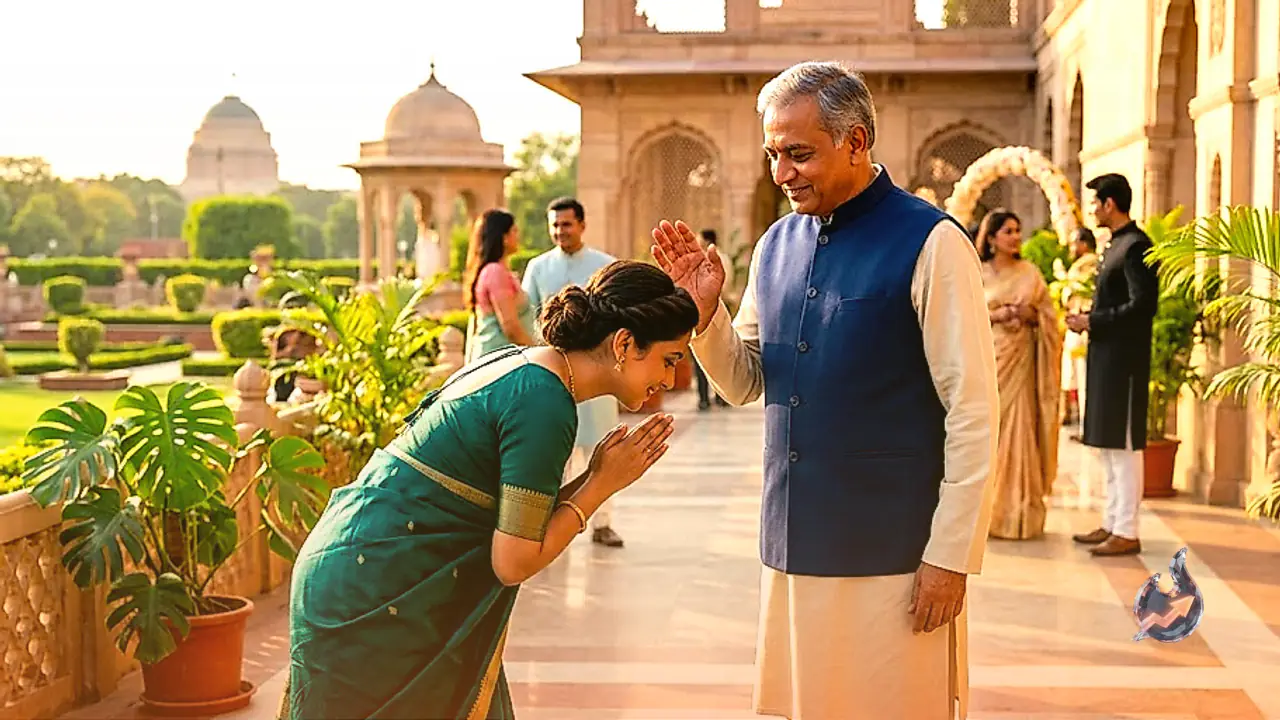

Greeting others with folded hands is one of the most recognizable aspects of Indian tradition and cultural etiquette. In daily conversations, many individuals use terms like Namaste, Namaskar, and Pranam almost interchangeably without considering their underlying spiritual and linguistic distinctions. Although using these words loosely is common, Indian heritage embeds deep meaning, reverence, and intent into each specific form of address. Understanding when and how to use each greeting reflects a refined appreciation of social norms and cultural values.
Every traditional greeting in Indian culture serves as more than just a polite routine. It communicates the speaker's emotional state, social hierarchy, and level of respect toward the recipient. Different settings, such as casual interactions with friends, official corporate meetings, or addressing revered elders and spiritual figures, require specific terms to convey the appropriate tone. Here is a detailed guide to understanding the origin, etymology, and ideal usage for each of these three traditional salutations.
The Meaning and Usage of Namaste
The term Namaste finds its roots in ancient Sanskrit grammar, formed by combining two distinct words: "Namah" and "Te." In Sanskrit, "Namah" signifies bowing, honoring, or offering respect, while "Te" translates directly to "to you." Combined, the literal meaning of Namaste is "I bow to you" or "I pay my respects to you."
Because of its structure, Namaste is primarily designed for direct, person-to-person communication. It carries a warm, personal, and balanced tone, making it ideal for interacting with peers, friends, colleagues of similar age, or younger individuals. It is best suited for informal or semi-formal situations where two individuals meet one-on-one and wish to exchange warm mutual regard.
Understanding Namaskar and Its Formal Context
The word Namaskar is created by joining the Sanskrit components "Namah" and "Kar." In this context, "Kar" refers to form, embodiment, or the expression of a specific feeling. Therefore, Namaskar signifies an act that recognizes and honors the divine presence, nobility, or inner righteousness within a person or a collective gathering.
Unlike Namaste, which is generally directed at an individual, Namaskar carries a formal and inclusive tone. It is the preferred term when addressing a group of people, an audience at a public event, or colleagues during a professional meeting. When entering an office, leading a conference, or greeting respected elders in a structured environment, saying Namaskar shows formal deference and holistic respect toward everyone present.
Pranam: The Highest Expression of Devotion and Respect
Pranam represents the most profound level of greeting in Indian culture. The word is derived by adding the prefix "Pra" to "Nam" or "Naman." Here, "Pra" denotes something exceptional, supreme, or intense, while "Nam" means bowing down. Thus, Pranam translates to a deep, unconditional bowing of the head accompanied by complete surrender and reverence.
Consequently, Pranam is never used for younger individuals, children, or equal peers. It is strictly reserved for those who hold a higher place in one's life, such as parents, grandparents, teachers, spiritual gurus, elderly relatives, and divine entities. In many traditions, offering a Pranam involves touching the feet of elders, known as charan sparsh, which symbolizes shedding ego and seeking blessings from superiors.
Key Differences at a Glance
To summarize the fundamental distinctions among these three traditional salutations, consider the following guidelines
- Namaste: A direct personal greeting suited for one-on-one informal interactions among peers, friends, or younger people.
- Namaskar: A formal and respectful greeting ideal for addressing groups, assemblies, official gatherings, or respected individuals in a professional setting.
- Pranam: The ultimate gesture of reverence, humility, and spiritual submission meant exclusively for elders, teachers, parents, and deities.