


















In the vast tapestry of Indian music, Hridaynath Mangeshkar stands out as an artist who lent a distinct identity to devotion, classical compositions, and deep human emotions through his timeless tunes. From traditional Marathi bhavgeets to the expansive canvas of Hindi cinema, he proved his extraordinary artistic mettle across various genres. One of his most remarkable milestones remains setting every single verse of the Shrimad Bhagavad Gita to distinct classical ragas. This unconventional and visionary approach to music set him apart from his contemporaries.
Musical Heritage and Early Beginnings
Born on October 26, 1937, in Sangli, Maharashtra, Hridaynath Mangeshkar is the son of the renowned classical musician and theater artist Dinanath Mangeshkar. He grew up in an environment deeply steeped in musical tradition, surrounded by his legendary elder sisters Lata Mangeshkar and Asha Bhosle, both iconic playback singers. Immersed in music from his earliest childhood days, his passion for the art form grew naturally. However, carving out an independent identity amidst such towering family legacies was no small feat. Through sheer dedication and a profound grasp of musical grammar, Hridaynath developed a signature style of his own. Over time, his compositions began to reflect a rare blend of rigorous classical depth and intense emotional resonance.
Learning under Ustad Amir Khan
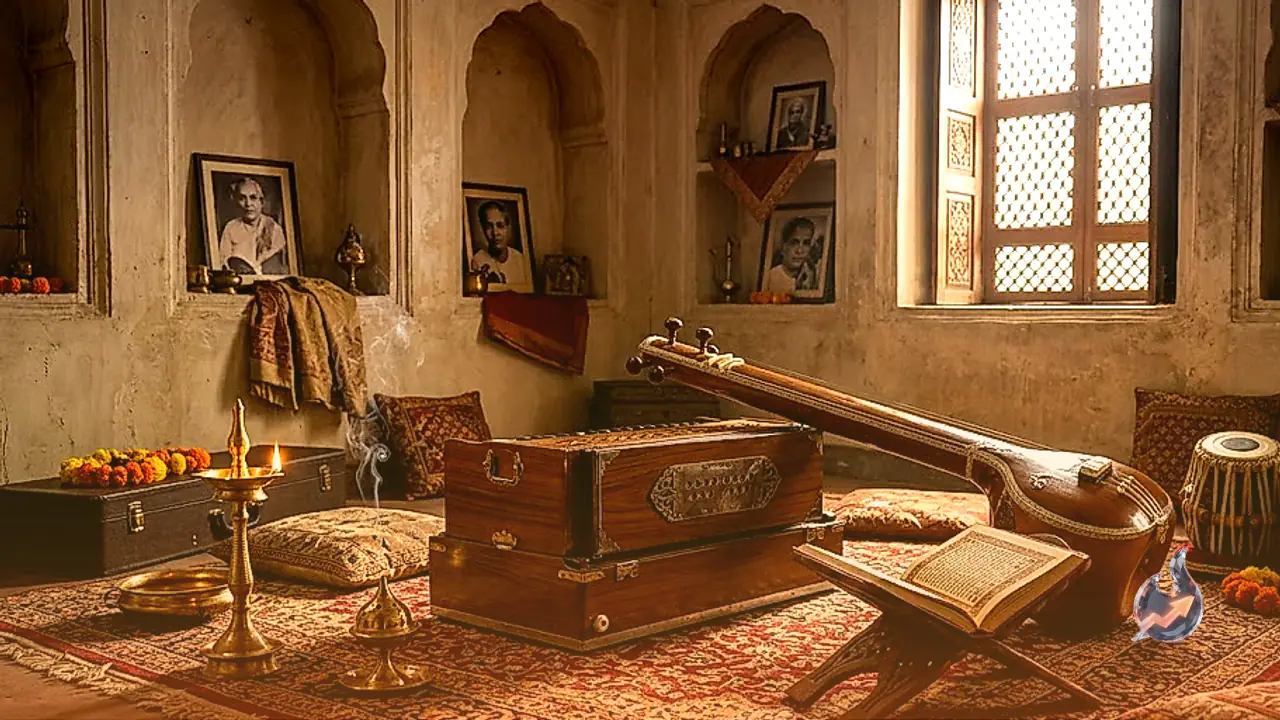
To master the intricate nuances of classical music, Hridaynath Mangeshkar took rigorous training from the legendary vocalist Ustad Amir Khan. This foundational education strengthened his artistic perspective and gave his compositions a solid backbone. During the early days of his career, he dabbled in playback singing for films and stage performances, but music composition soon emerged as his definitive calling and primary identity. He crafted melodies for Hindi and Marathi movies while simultaneously working extensively across devotional genres like bhajans, abhangs, and bhavgeets. A defining hallmark of his work was his constant endeavor to bring classical compositions within reach of ordinary and modern listeners. Consequently, his creative output transcended the boundaries of commercial cinema.
Composing the Bhagavad Gita in Unique Ragas
Among the most pioneering achievements of his musical journey is his monumental recording of the Shrimad Bhagavad Gita. He undertook the experimental task of setting every individual verse of the sacred text to a different raga. This ambitious project showcased his supreme command over classical music and his deep reverence for spiritual texts. Through this medium, he translated classical philosophy into musical notes, allowing listeners to experience the verses of the Gita in an entirely new dimension. His experiment brilliantly highlighted the vast diversity of Indian music and its inherent spiritual potency.
Excellence in Cinema and the Film Lekin
Hridaynath made a profound impact on the film industry through his brilliant compositions, capturing the imagination of cinephiles with his distinctive musical grammar. He composed memorable soundtracks for both Hindi and Marathi films, earning immense critical acclaim. His work on the film Lekin, which he also produced, received widespread appreciation and won him the prestigious National Film Award for Best Music Direction. This accolade remains one of the most significant milestones of his career. Throughout his cinematic journey, he steadfastly refused to compromise on musical integrity or emotional depth, ensuring his melodies retained a strong classical soul.
Prestigious Honors and Accolades
In recognition of his monumental contributions to Indian art and culture, Hridaynath Mangeshkar has been honored with numerous prestigious accolades. In 2009, he was conferred with the Padma Shri, one of India's highest civilian honors. Additionally, he received the esteemed Sangeet Natak Akademi Award for his lifelong dedication to music. His enduring body of work continues to inspire generations of musicians and art lovers across the nation.