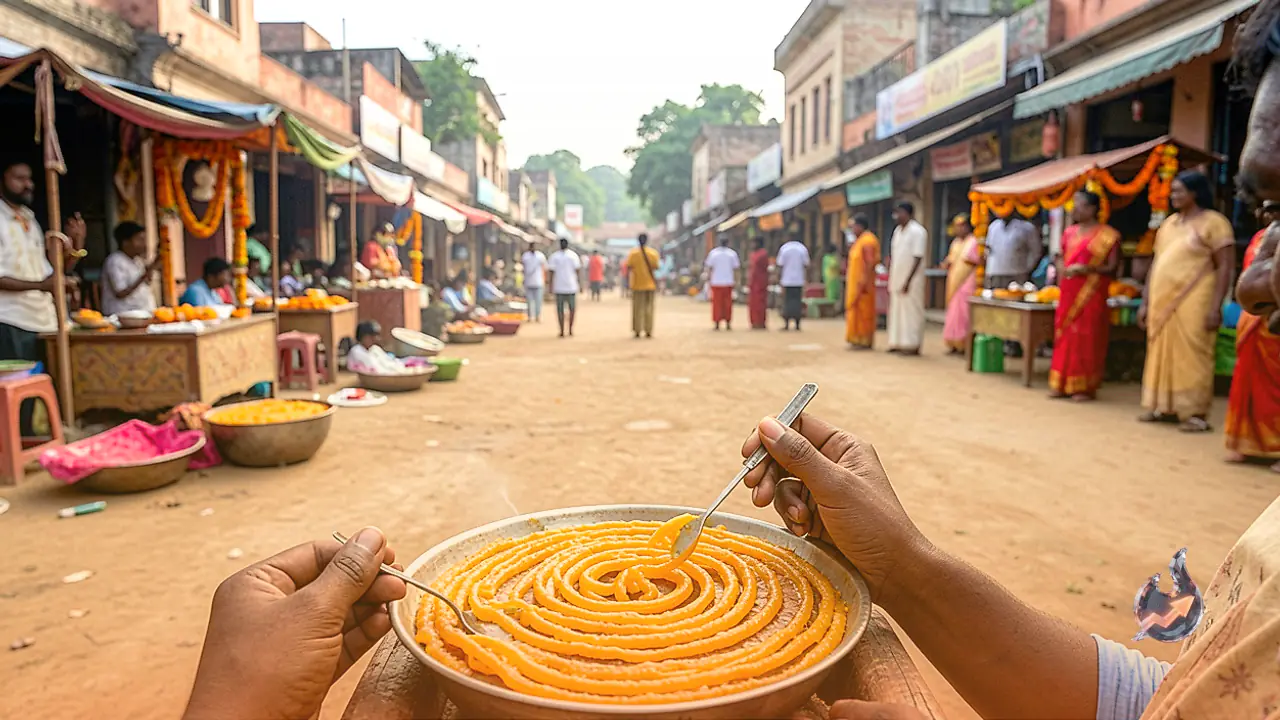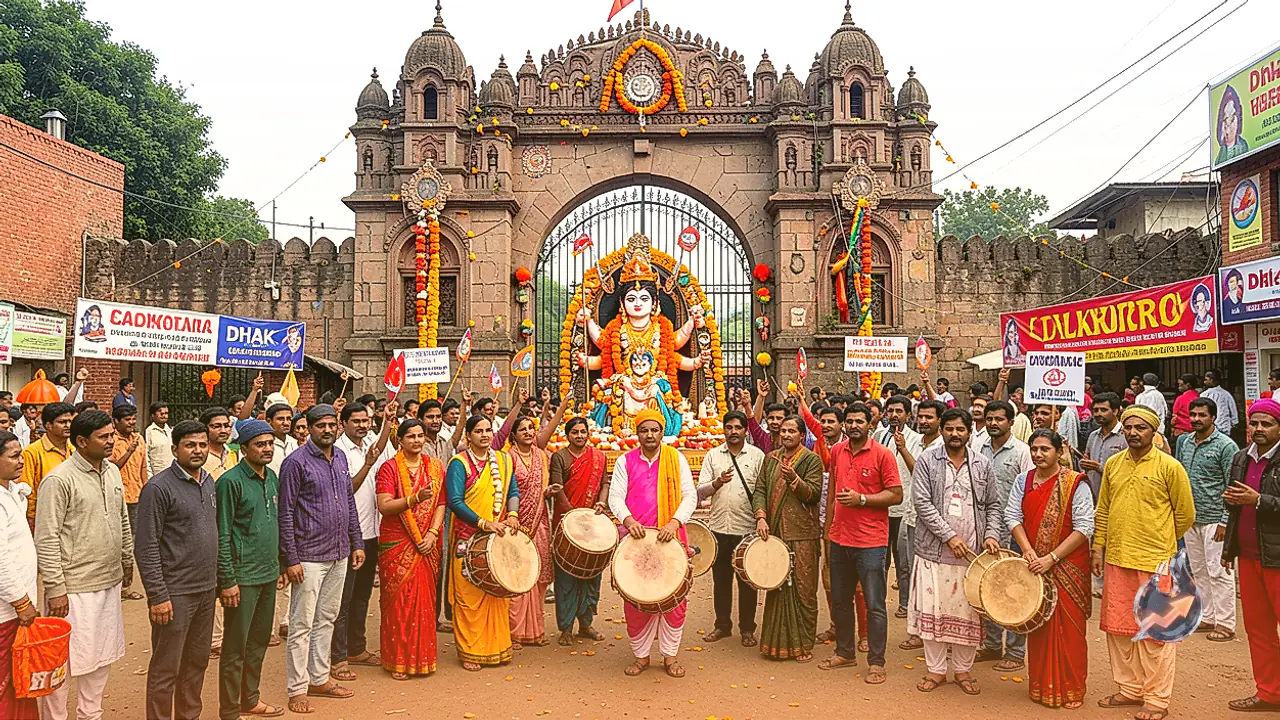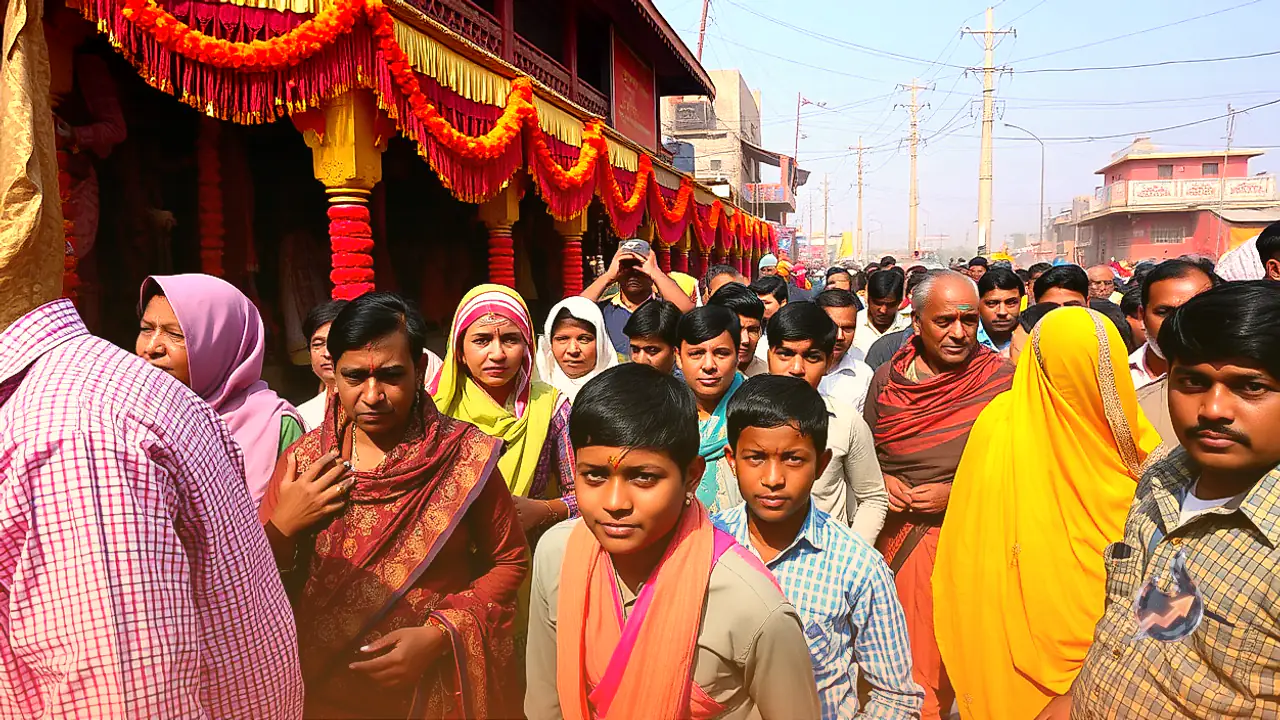















Across India, Vijayadashami or Dussehra is celebrated with immense fervor and scale, creating a unique festive atmosphere everywhere. Loudspeakers playing Ramlila chants echo through neighborhoods, the sharp sounds of firecrackers fill the air, children gaze at festive fair stalls in every lane, and the warm aroma of freshly made jalebis enhances the holiday spirit. However, living in the United States presents a completely different picture. For an Indian family residing in New Jersey or Texas, a Dussehra morning likely begins with the alarm of an office meeting rather than festive preparations. There are no government holidays, no neighborhood park hosting a towering Ravana effigy burning, and no relatives dropping by unannounced. Despite this, Indian families settled across America have found unique ways to keep their traditions and festivals alive. While some of these practices look quite different from those in India, others evoke an even deeper wave of nostalgia and longing for home.
Navigating Time Zones and Local Calendars
While festivals in India are strictly scheduled according to traditional almanacs, timing in the United States depends heavily on local calendars and regional schedules. Many families plan their prayers and cultural gatherings based on the calendar of their nearest temple. Because of significant time zone differences, festivals are frequently observed a day earlier or a day later than in India. The biggest hurdle on the day of the festival remains the workday, as most people in America do not get a day off for Dussehra. To counter this, local Indian temples and cultural organizations typically schedule their large celebrations on the nearest Saturday or Sunday so that a maximum number of families can participate.
Performing Prayers Amid Work Schedules
On the actual calendar date of the festival, many families hold intimate prayer ceremonies right inside their homes. Some individuals light a lamp before heading off to office in the morning, while others organize a prayer session and distribute prasad with their family after returning from work in the evening. Staying in touch with relatives back in India can also prove slightly complicated due to the time gap. During October, Indian Standard Time is approximately nine and a half hours ahead of the US Eastern Coast and about twelve and a half hours ahead of the Pacific Coast. Consequently, morning in Delhi often translates to late night in California. To bridge this gap, numerous families record a short video of their home prayers and send it to their parents and relatives in India, ensuring the festive joy reaches their loved ones despite the distance.
Adapting Ravana Dahan to Fire Safety Regulations
In India, the most striking visual of Dussehra is the spectacular burning of giant effigies representing Ravana, Kumbhakarna, and Meghnad. Amid massive crowds gathered in open grounds, fireworks, and chants of Jai Shri Ram, the message of good prevailing over evil is delivered. However, burning massive effigies in open American grounds is not a straightforward task. Communities must comply strictly with fire safety regulations, obtain local administrative permissions, secure insurance, and fulfill various other conditions. Because of this, the Indian community adopts novel ways to uphold the tradition. Some organizations secure the necessary permits to host controlled effigy burnings in large fields or temple premises, complete with firefighters and security arrangements. Certain locations utilize smaller effigies, while other events depict symbolic burnings through lighting, sound, and special effects.
Bringing Ramlila to Community Stages
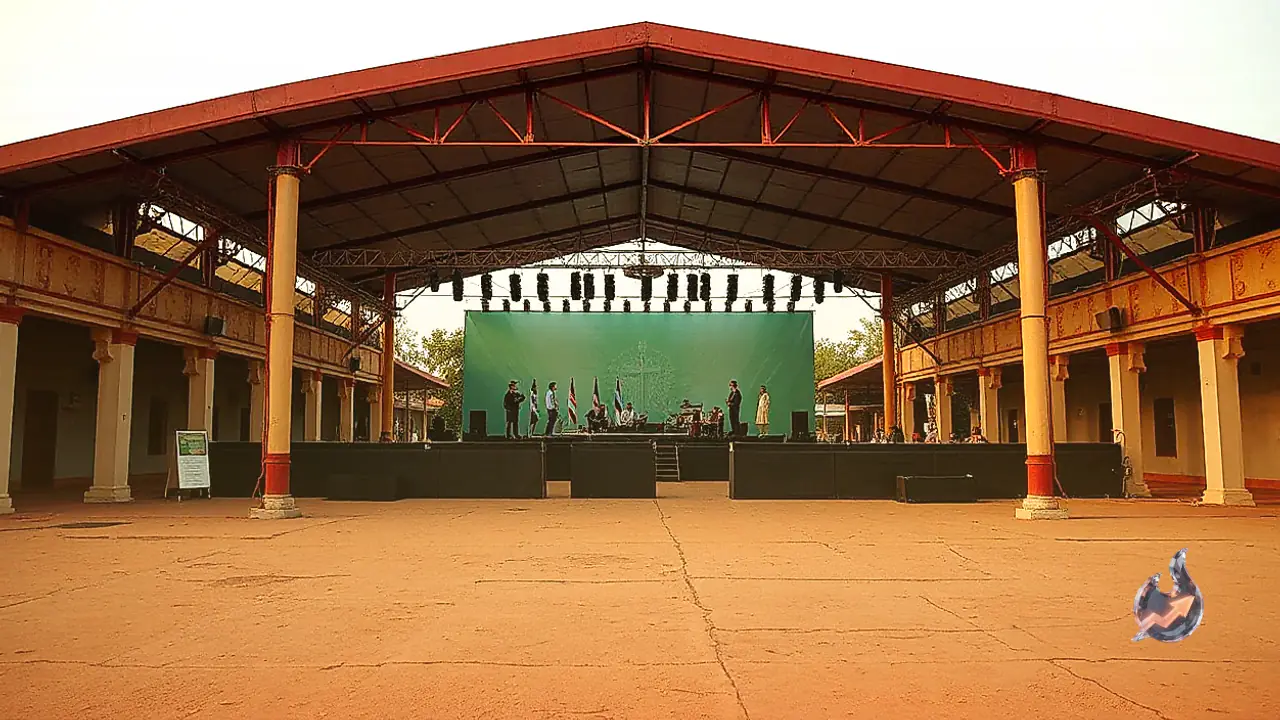
Ramlila performances are immensely popular among the Indian diaspora in the United States. Local theater groups feature children and adults coming together to stage episodes from the Ramayana. Often, younger children play the role of monkeys in Lord Hanuman's army, while others portray Rama, Lakshmana, Sita, or Ravana. Hosted within temple halls and school auditoriums, these performances hold special significance for children born and raised far from India. For them, Ramlila is not merely a play, but a vital medium to connect with Indian culture, family values, and the epic of the Ramayana.
Preserving Regional Traditions Across America
Just as Dussehra is celebrated in diverse ways across different regions of India, Indian families in America carry forward their distinct regional traditions with equal love and devotion. Bengali communities in numerous US cities organize grand Durga पूजा celebrations. They rent community centers or large halls to install idols of Goddess Durga, hosting multi-day prayers, cultural programs, and community feasts. On Vijayadashami, many communities observe the tradition of Sindoor Khela, where married women offer vermilion to the goddess and apply it to each other to wish for happiness and prosperity. The festivities frequently conclude with warm Dussehra greetings, sweets, embraces, and quality time spent with family and friends. Similarly, for Gujarati families, Navratri and Dussehra feel incomplete without Garba and Dandia. Gujarati organizations in New Jersey, Texas, and other regions host grand events in convention centers and large halls, where attendees dressed in traditional attire dance late into the night to the beat of Gujarati music, surrounded by vibrant chaniya cholis, kediyus, dazzling lights, and the clatter of dandias.