






















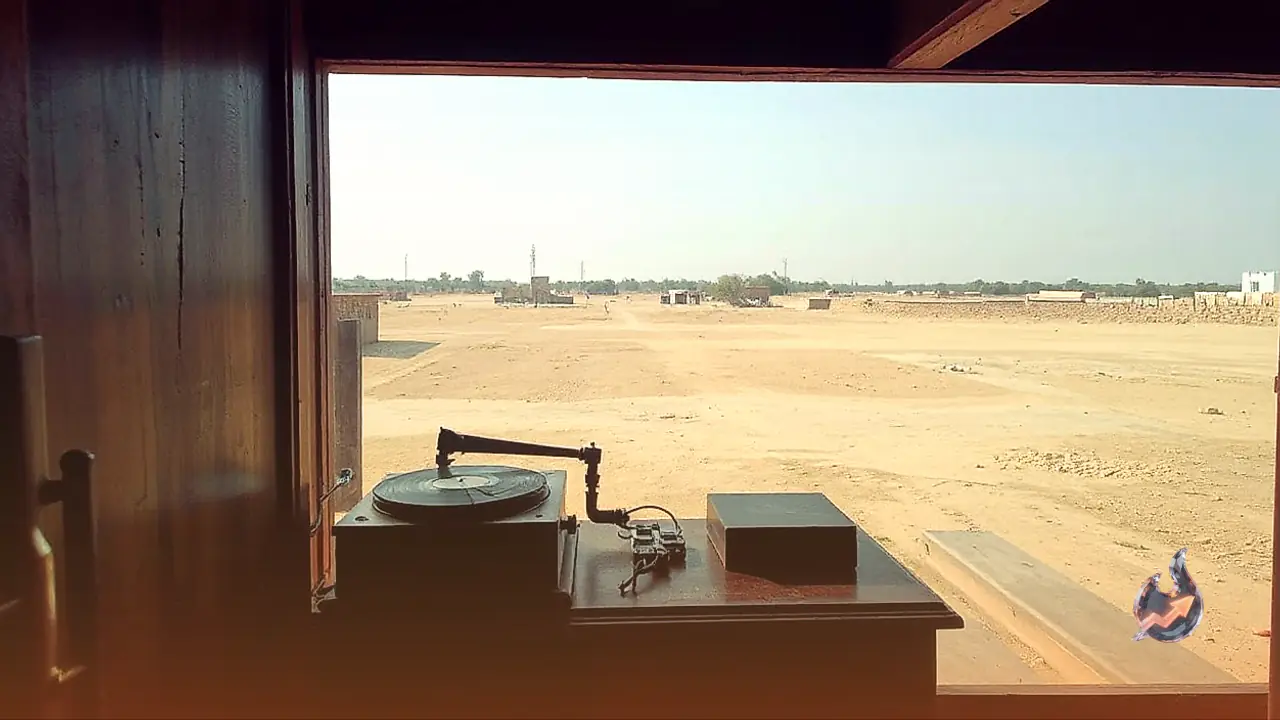

In an era dominated by instantaneous digital streaming and portable Bluetooth speakers, encountering an authentic acoustic playback device from eight decades ago offers a fascinating window into musical heritage. Preserved in Hyderabad, an exceptionally rare and massive cabinet gramophone dating back to the 1940s continues to function flawlessly in its original state. This vintage music player stands as a remarkable demonstration of mid twentieth century mechanical ingenuity and an enduring artifact of the region's royal past.
Handcrafted Sheesham Cabinetry With Concealed Acoustics
Standing three and a half feet tall, this audio apparatus was crafted within a finely carved cabinet made of solid premium rosewood, known locally as Sheesham. During the 1940s, such large furniture style gramophones were exclusive status symbols, owned almost exclusively by royal households and affluent aristocrats. Unlike typical antique record players that prominently display an external brass horn, this unit features a built in internal sound chamber and horn artfully disguised behind intricate wooden lattice fretwork. The cabinet is secured at the front with sturdy antique brass latches, giving it the elegant outward appearance of a decorative cupboard rather than a sound machine.
A Royal Historical Link To The Asaf Jahi Era
Lifting the top wooden lid of the cabinet reveals the mechanical turntable alongside a rare historical photograph mounted on the inside lid. The photograph carries an inscription recorded in both English and Urdu, stating that an address was presented to the Nizam on his return from Delhi. This notable portrait links the vintage player directly to the historical timeline of the Asaf Jahi dynasty of Hyderabad and significant diplomatic travel between the princely state and Delhi. The inclusion of this imperial memento elevates the machine from an audio collectible to an authentic historical treasure.
Pure Mechanical Drive Powering 78 RPM Vinyl Records
The operational mechanism of this gramophone relies entirely on manual mechanical power rather than electricity or modern battery cells. Positioned on the side of the wooden cabinet is a winding crank handle used to manually tension the internal heavy duty drive spring. Once wound and engaged via the gear switch, the turntable rotates at precisely 78 RPM. As the acoustic stylus descends onto the grooved surface of a classic black record from His Master's Voice, the warm analog sound resonates naturally through the wooden acoustic baffle, reviving the acoustic character of the 1940s for contemporary audiences.