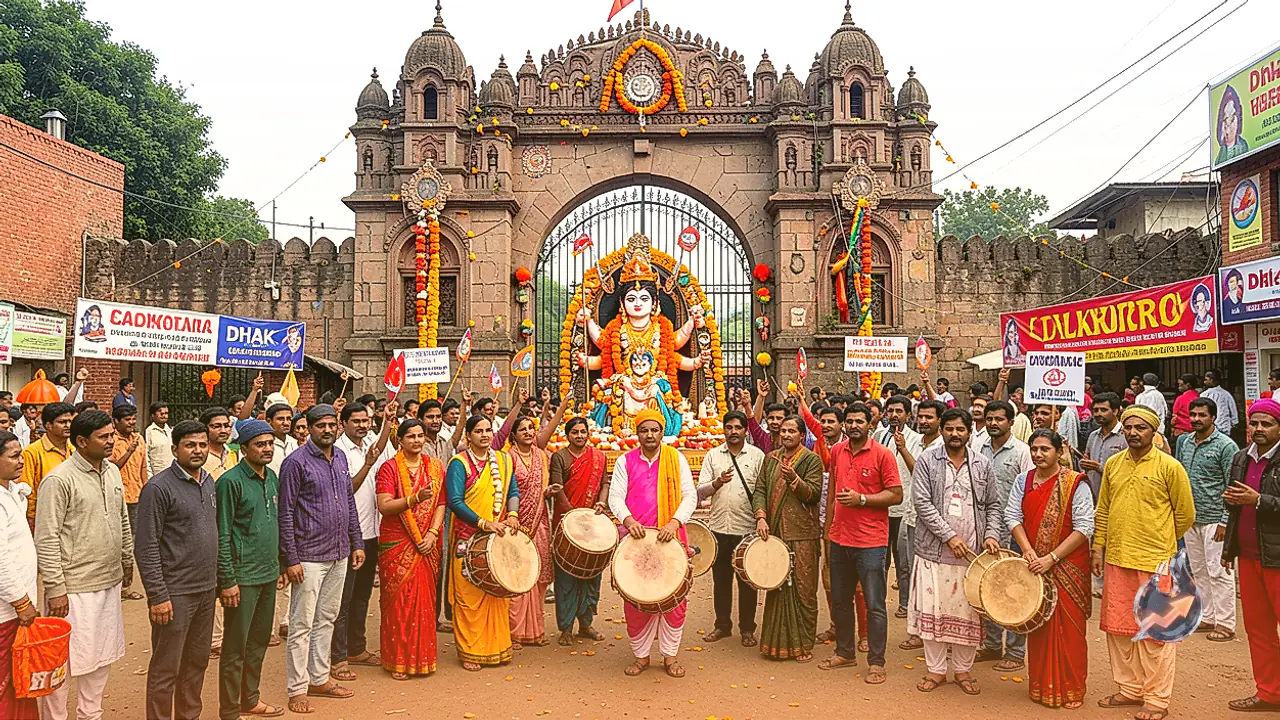























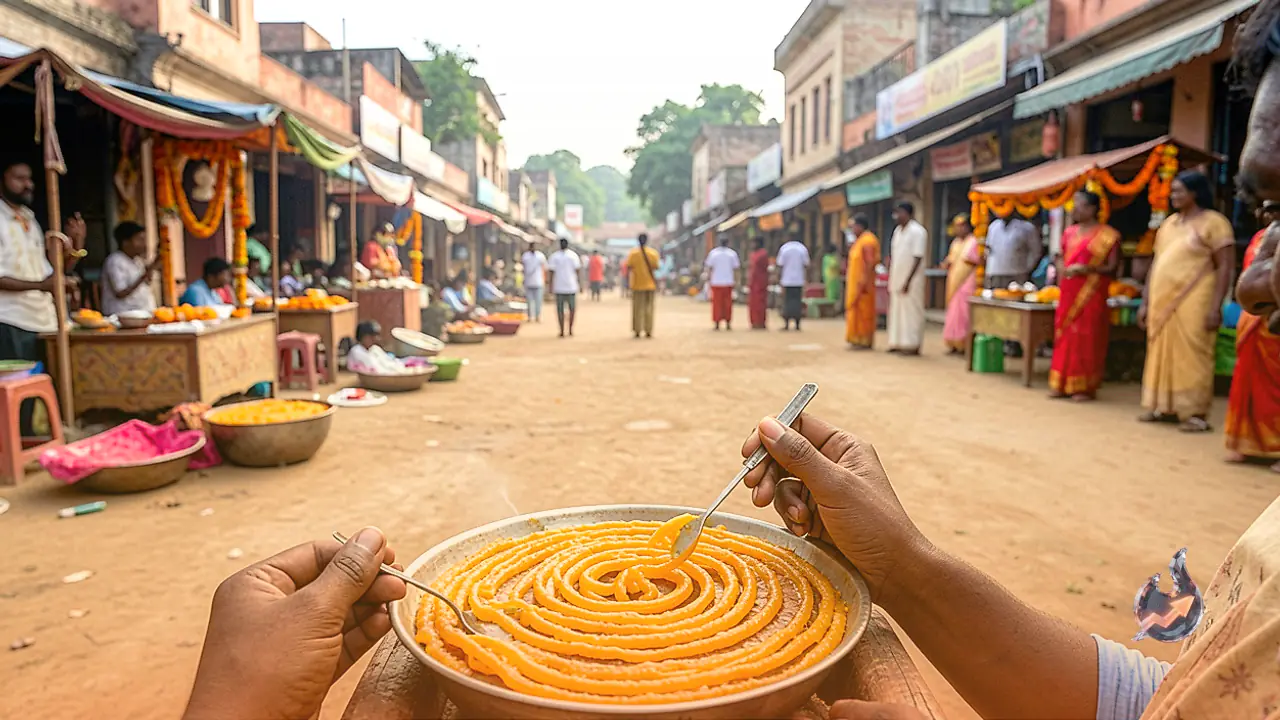

Across the country, the vibrant festival of Dussehra brings people together to witness massive effigy burnings and celebrate the triumph of good over evil. Alongside the evening festivities, culinary traditions play a major role in how families observe the occasion. In many parts of India, eating Jalebi and Imarti on this specific day is an entrenched custom. However, the reasons behind why these particular syrupy sweets became synonymous with Dussehra involve a mix of traditional beliefs, ancient stories, and long-standing cultural habits.
A widely popular belief linking Jalebi to Dussehra centers around Lord Rama. According to traditional accounts, the deity favored a sweet known as Shashkuli, which historians and culinary experts consider to be an ancient precursor to the modern Jalebi. The tradition of marking the victory over Ravana by consuming sweets is frequently tied to this narrative. At the same time, experts suggest viewing this connection as a piece of folklore and religious belief rather than a documented historical fact.
Because Dussehra signifies the ultimate victory of righteousness over wickedness, enjoying sweets has naturally evolved into a way to express joy and share happiness with neighbors and loved ones. This explains why countless families still make it a point to purchase fresh Jalebis while returning home from the local effigy burning grounds, preserving a ritual that has been passed down through generations.
Imarti holds its own distinct place among India's traditional confections. Typically prepared using a fermented batter of black gram lentil flour, it is fried into intricate circular patterns and subsequently soaked in sugar syrup. Its vibrant appearance and unique texture set it apart from other sweets. Unlike Jalebi, Imarti does not possess a distinct religious origin directly tied to the Dussehra narrative. Instead, it remains a favorite dessert enjoyed during festive gatherings, local fairs, and family events, making its presence on this day a reflection of regional culinary tastes.
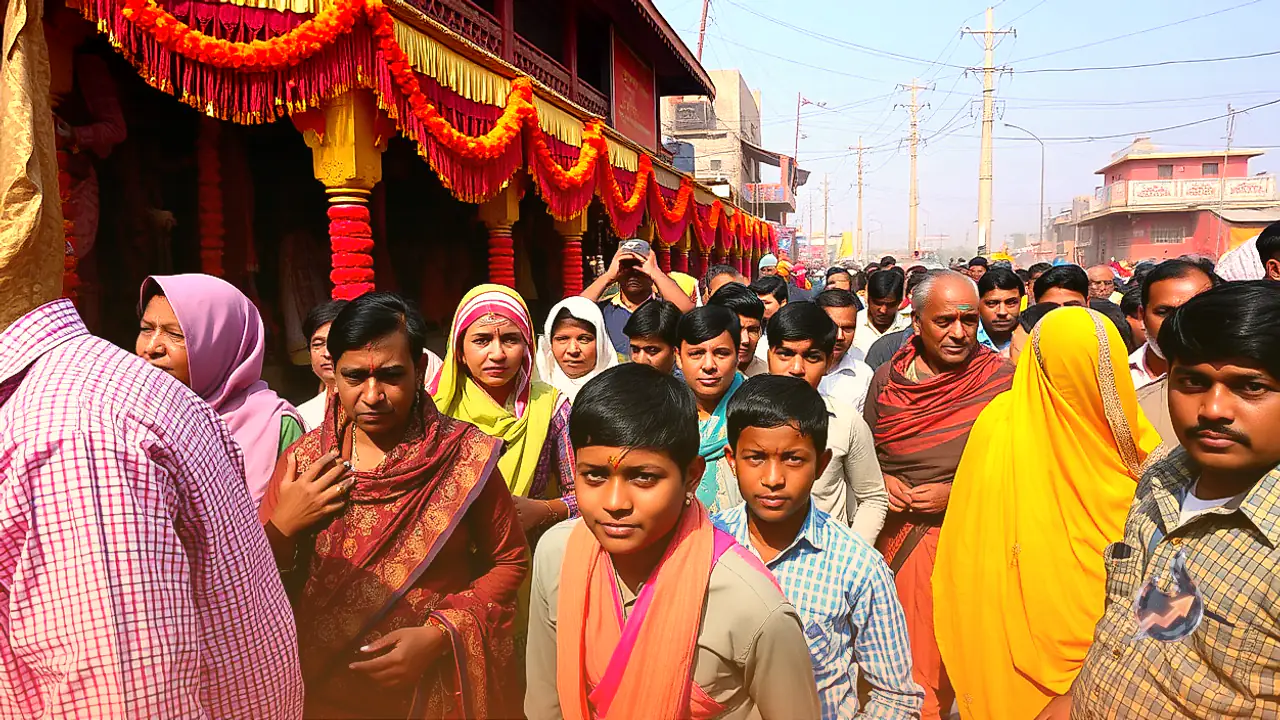
The timing of the festival also contributes to the popularity of these treats. Dussehra usually falls in the months of September or October, a period when the climate across many regions begins transitioning from intense heat to a milder, cooler breeze. Festive markets overflow with freshly prepared confections, and families frequently visit bustling neighborhood fairs. Enjoying a hot plate of Jalebis or savoring the rich texture of an Imarti becomes a natural way to embrace the celebratory atmosphere.
Celebrations of Dussehra vary remarkably across the Indian subcontinent. While Northern regions place heavy emphasis on grand Ramleela performances and the burning of massive effigies, other parts of the country observe the day with entirely different regional customs and food habits. Consequently, eating Jalebi on Dussehra is not a mandatory practice everywhere. Where the tradition thrives, it persists through a combination of religious symbolism, generational habits, and localized preferences for sweets.