




















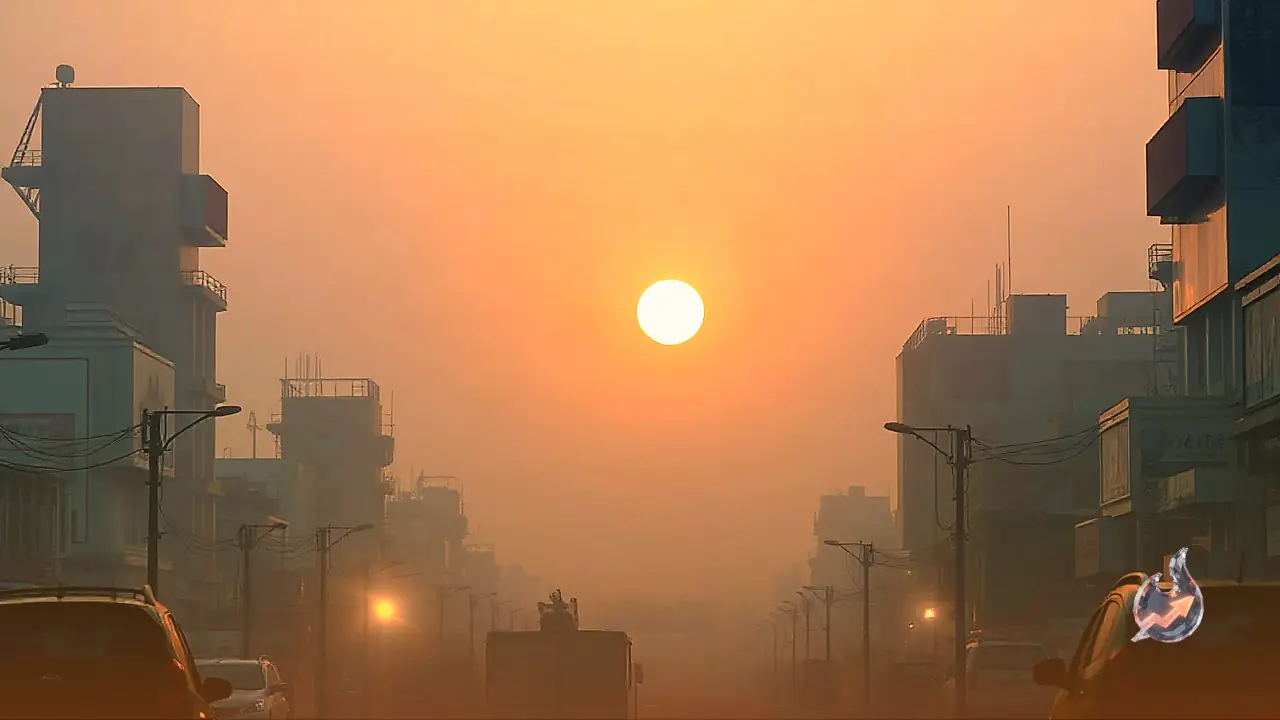

In an aggressive push to curb toxic air during the upcoming winter season, the Delhi government has rolled out a sweeping, multi-pronged action plan. The wide-ranging measures introduce phased halts on real estate and demolition activity, stringent controls on vehicular traffic, compulsory emission certification at fuel outlets, staggered working shifts for corporate and government offices, and incentives for public transit.
Phased Restrictions on Construction and Demolition Activities
Delhi Environment Minister Manjinder Singh Sirsa announced that dust-generating demolition work along with open general construction activities will remain suspended starting November 1 until January 31. To tackle the peak winter pollution period, the administration will enforce a total ban on all categories of construction and demolition projects between December 10 and January 20.
Aiming to discourage the usage of private automobiles and cut tailpipe emissions, standard parking fees across the city will be doubled starting November 1. Authorities are also restructuring commute patterns by introducing staggered operating hours and working shifts for public and private establishments, accompanied by a mandatory 50 percent work-from-home mandate for staff.
Mandatory PUC for Fuel and Crackdown on Expired Vehicles
Enforcement teams are set to implement a strict 'no fuel, no PUCC' policy across all retail fuel stations. At all 500 petrol pumps equipped with Automatic Number Plate Recognition (ANPR) cameras across Delhi, specialized drives will track down end-of-life and non-compliant automobiles to keep them off city roads.
To bolster compliance, a city-wide public awareness initiative will take place throughout October, followed by technical upgrades to PUC testing centers in November. Official automated vehicle fitness centers will process approximately 2.5 lakh vehicles across three operational facilities, with an additional automated fitness center scheduled to become operational shortly.
Entry Ban on Non-BS-VI Outside Vehicles and Electric Vehicle Exemptions
Starting November 1, non-Delhi registered vehicles operating below BS-VI emission standards will face a complete prohibition from entering the capital territory. Conversely, green transport users will receive policy relief, as electric vehicles (EV) will remain fully exempt from any additional parking fee hikes.
The decisions emerged from a high-profile action-based planning conference chaired by Union Environment Minister Bhupender Yadav. The strategic meeting witnessed the participation of Delhi Chief Minister Rekha Gupta, Public Works Department (PWD) Minister Parvesh Verma, and Environment Minister Manjinder Singh Sirsa.
Year-Round Technological Interventions and Air Quality Oversight
Reflecting on the municipal strategy on social media platform X, Environment Minister Manjinder Singh Sirsa emphasized, "Providing clean air and a healthy environment to the people of Delhi is our responsibility, and this responsibility is not limited to any single season. The Delhi government is continuously working technically and scientifically 24 hours a day, 365 days a year for pollution control."
Sirsa stated that technicians will conduct thorough re-inspections of ANPR cameras across stations to ensure seamless functionality. The concurrent fitness assessments across testing stations aim to weed out severely polluting engines from everyday traffic.
Expanding Electric Fleet and Last-Mile Transport Infrastructure
To provide residents with viable mass mobility alternatives, the capital is steadily upgrading its zero-emission bus fleet. Delhi currently operates 5,088 electric buses across municipal routes, and another 150 electric buses will be inducted immediately to reinforce public transport networks and bridge last-mile connectivity gaps.
Administrative teams are also zeroing in on key traffic bottlenecks and high-pollution zones. Through structured coordination with district magistrates, local officials are scrutinizing activities within a three-kilometer radius of designated pollution hotspots, specifically targeting open waste dumps, crematoriums, and cement distribution hubs.
Controlling 42 Hotspots and Accelerating 3,065-Kilometer Road Overhaul
According to official data shared by the environment minister, pollution control authorities have successfully mitigated air hazards across 42 out of the 62 previously designated environmental hotspots. Stringent vigilance remains active around sensitive areas within three kilometers of these locations to eliminate uncontained emissions.
Addressing fugitive road dust, the government had established a comprehensive redevelopment target covering 3,065 kilometers of road infrastructure by 2026. Official progress records show that 1,193 kilometers of road redevelopment had been completed as of September 20, while the remaining 1,872 kilometers are progressing on a priority schedule.
Intensive Road Cleaning, Heating Shelters, and Open Burning Bans
Mechanical road cleaning is being carried out every 15 days to suppress particulate dust along traffic corridors. Municipal agencies currently deploy 98 mechanical road-sweeping machines, with work orders already issued for procurement of the remaining required units. Dedicated enforcement squads are also patrolling sectors to prevent the illicit open burning of municipal trash and garden waste.
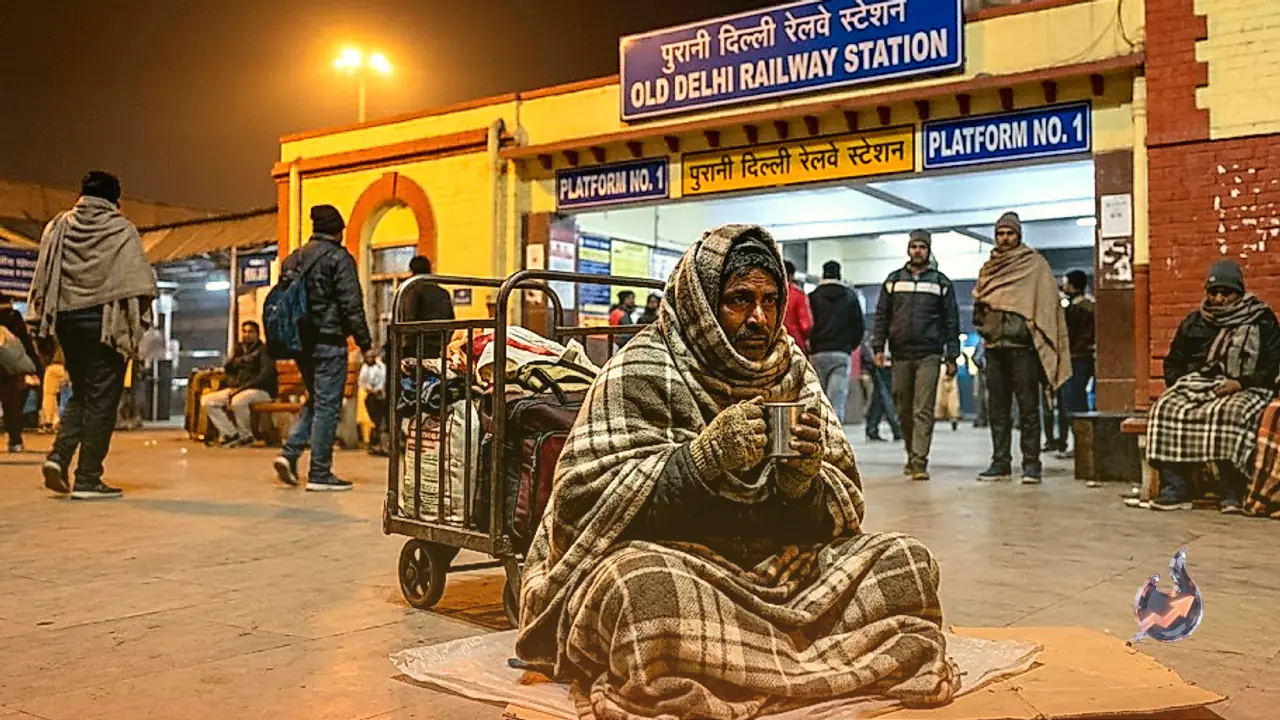
Under the winter 'zero-burning' campaign, authorities will set up temporary heater-equipped public warming shelters, eliminating the necessity for vulnerable citizens and night workers to ignite roadside wood, trash, or coal fires for warmth. Concurrently, citizens are being urged to practice carpooling to decrease vehicular congestion and reduce overall smog formation across the capital.