







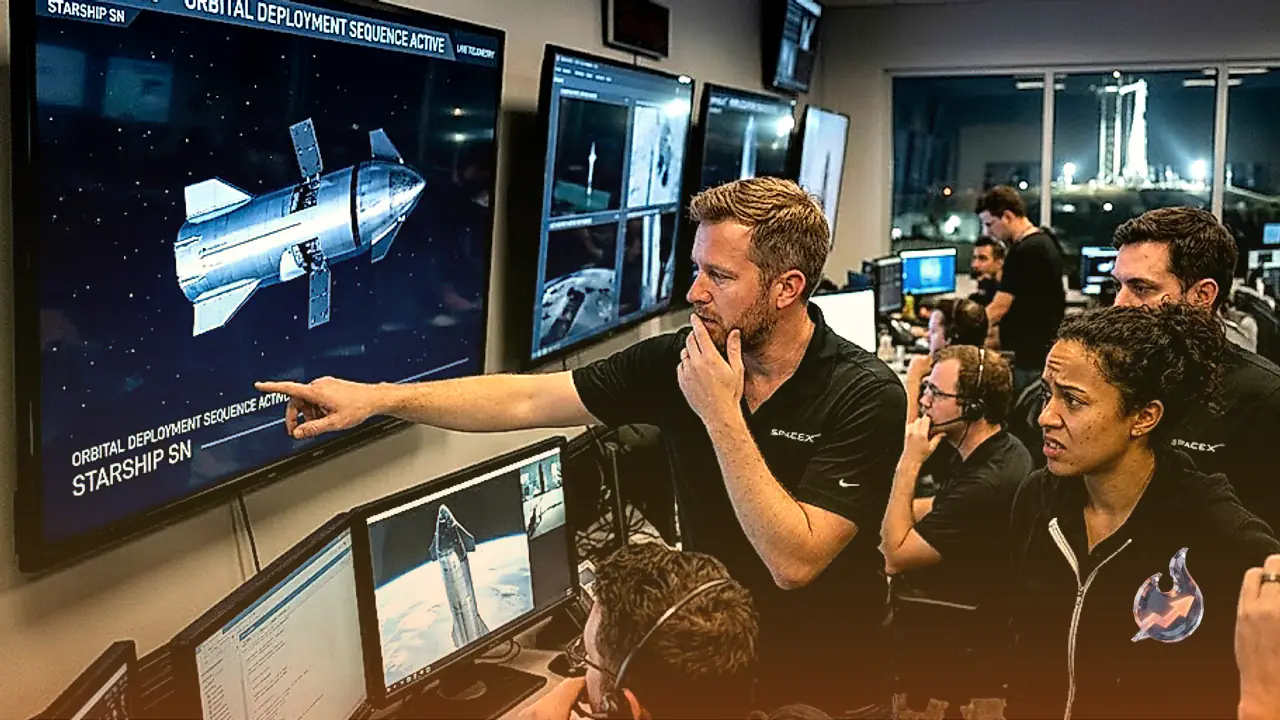















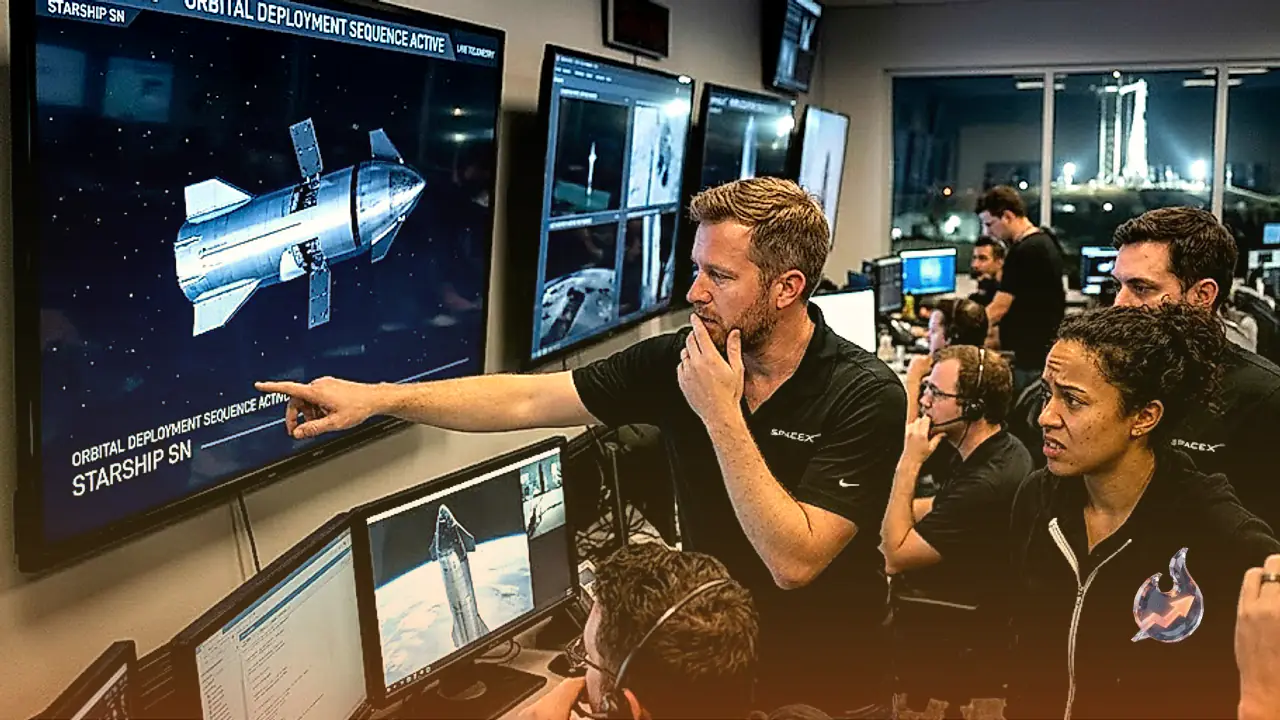

Billionaire Elon Musk's private aerospace company SpaceX achieved a landmark milestone by propelling its massive Starship vehicle into orbit for the very first time. Taking off from its launch base in Texas, the towering spacecraft navigated into space and successfully deployed a batch of cutting-edge Starlink satellites into orbital trajectory. However, flight controllers made the deliberate decision to terminate the journey far earlier than planned to ensure strict flight safety protocols were upheld.
Splashdown North of Hawaii After Abbreviated Multi-Orbit Flight Plan
Following its orbital maneuvers, Starship descended through the atmosphere over the Pacific Ocean and touched down on the water north of the Hawaiian islands. Immediately after the water landing, the vehicle tipped over and caught fire. Originally, SpaceX had designed the mission to span a 10-hour duration, during which the vehicle was scheduled to complete 6 full revolutions around the Earth. The overarching objective of this long-duration test was to demonstrate the craft's comprehensive operational readiness for NASA's upcoming Artemis moon missions.
Mid-Flight Tension Over Engine Shutdown and Orbit Confirmation
Reaching orbit was not without close calls, as the vehicle narrowly missed failing its ascent altogether. Early in the flight, one of Starship's engines unexpectedly shut down ahead of schedule. Fortunately, the spacecraft's remaining propulsion and avionics systems functioned seamlessly, meaning the disabled engine was not strictly required to maintain the flight path. Although the initial minutes generated immense tension inside the control room, flight controllers resolved to proceed along the intended trajectory. Amid widespread cheers, mission control announced that Starship was officially in orbit.
Precautionary Measure Leads to Early Splashdown Order
Shortly after Starship reached orbit, the team in mission control chose to cut the mission short rather than proceed with the full six-orbit test. In an online update detailing the flight, SpaceX confirmed that flight controllers made the call to end the operation early strictly as an abundance of caution resulting from the early engine glitch encountered during the initial burn.
Deployment of 26 Next-Generation Starlink Units and NASA Commendation
A central accomplishment of the launch was Starship's payload delivery, carrying 26 of the most advanced Starlink satellites developed to date. These newly deployed orbital units are set to integrate alongside approximately 11,000 older Starlink models that are already operational and delivering global internet connectivity. Each of the 26 units released sequentially from the craft into orbit. Following the launch, NASA congratulated SpaceX on the feat, emphasizing that the team executed every phase of the complex mission in a secure, accountable, and profoundly inspiring manner.