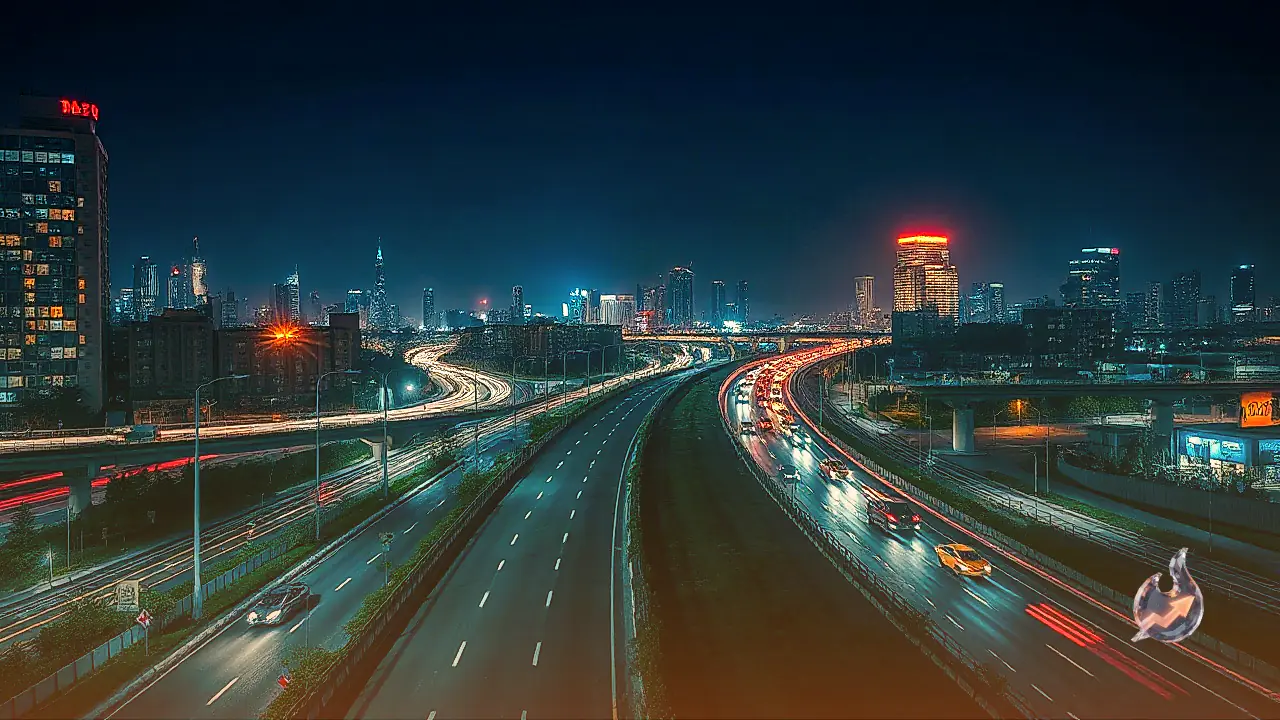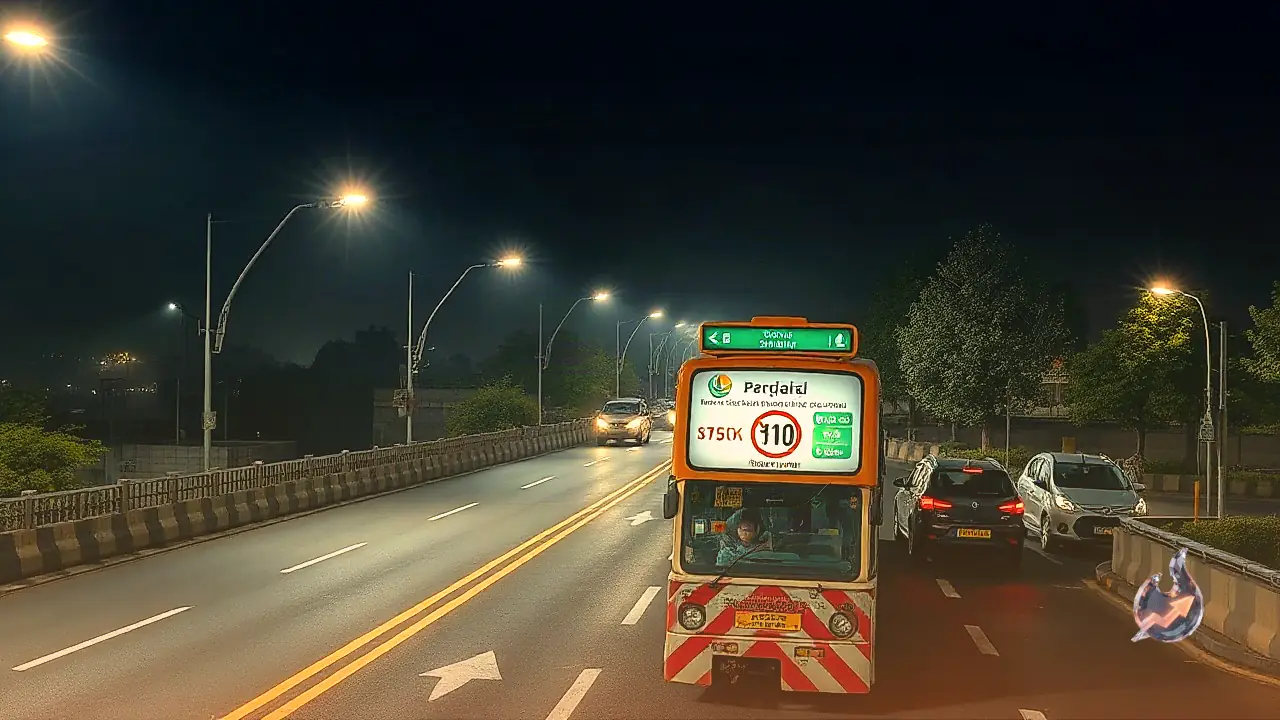




















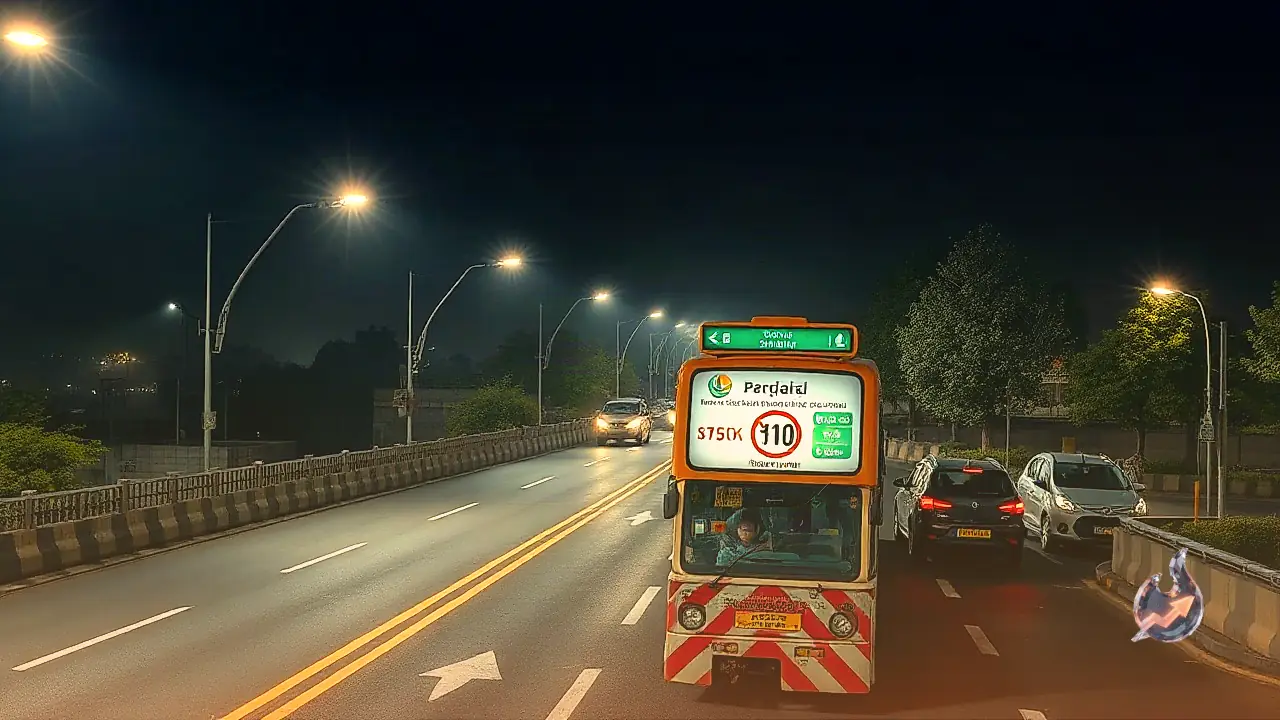

Commuters navigating the heavily congested transit routes between East and South Delhi have gained significant travel relief with the formal launch of the Barapullah Phase 3 elevated corridor. The newly operational highway infrastructure slashes typical peak hour transit duration from forty minutes down to around fifteen minutes. Designed as a completely grade-separated passage, vehicles traveling on this elevated roadway will encounter zero traffic signals from start to finish, ensuring uninterrupted movement across key city hubs.
Inauguration by Union Home Minister Along with Key Transit Projects
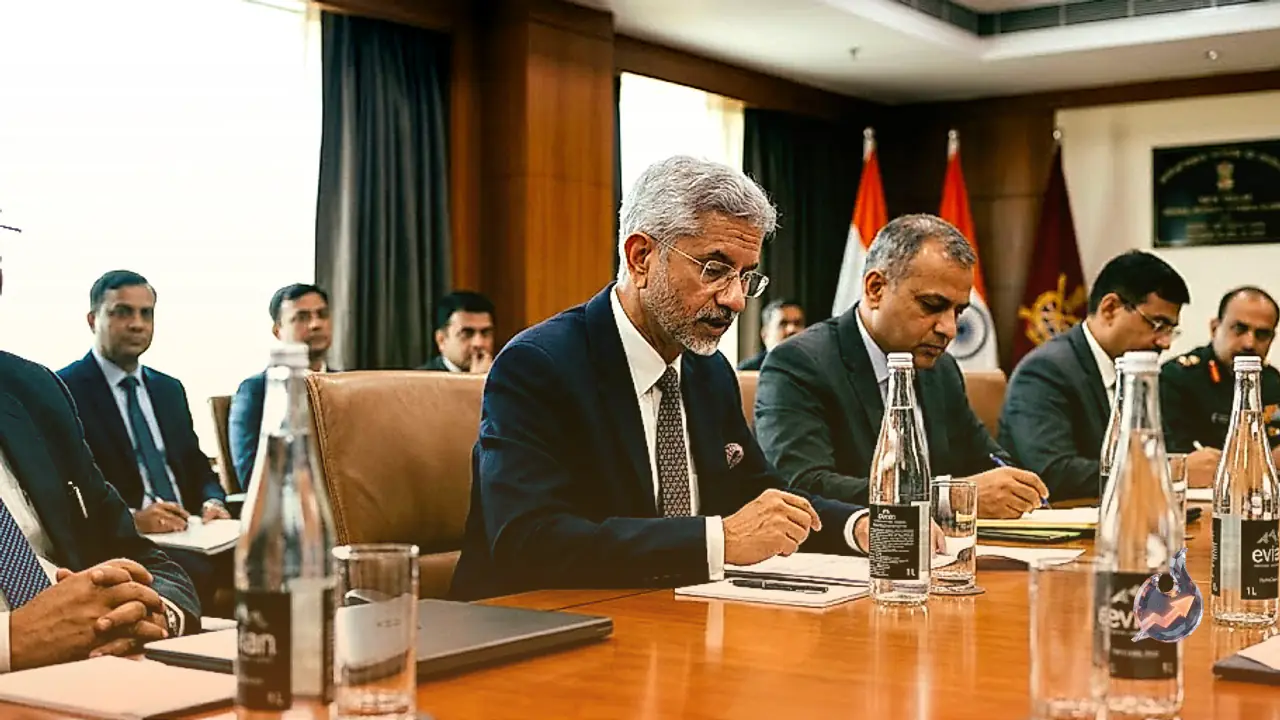
Union Home Minister Amit Shah dedicated the Barapullah Phase 3 corridor to the public, while also inaugurating the Mukarba Chowk underpass. The ceremony saw the presence of Delhi Chief Minister Rekha Gupta, Public Works Department Minister Parvesh Verma, and other cabinet members. During the event, four comprehensive urban development projects carrying a cumulative value of one thousand nine hundred and forty-one crore rupees were introduced to enhance regional connectivity, including foundation stones laid for two new flyovers and the Loni underpass.
Direct Link Between Mayur Vihar and AIIMS Without Bottlenecks
The standout feature of this elevated corridor is its seamless, uninterrupted path. Drivers ascending the elevated structure will face no traffic lights or intersection bottlenecks, allowing them to cruise continuously to their destinations. This uninterrupted passage particularly benefits motorists moving across areas parallel to the metro Blue Line and Yellow Line routes. Commuters heading from Mayur Vihar toward the All India Institute of Medical Sciences or AIIMS can now complete the entire stretch in roughly fifteen minutes without facing conventional gridlock.
Structural Layout and Connectivity Dimensions
Constructed between Sarai Kale Khan and Mayur Vihar Phase 1, the core elevated segment measures around three and a half kilometers in length. When accounting for entry ramps, exit structures, and turning loops, the project spans approximately five kilometers in total. Connecting directly into the preexisting Barapullah elevated phases, the entire integrated network now delivers an uninterrupted, signal-free drive spanning roughly nine kilometers, drawing heavy through-traffic away from surrounding surface arterials.
Project Budget and Factors Behind Extended Construction Deadlines
The construction expenditure for this specific elevated structure stood at approximately one thousand six hundred and thirty-five crore rupees. Initial construction commenced in 2015 with an original completion target set for 2017. However, execution faced protracted delays extending between nine and eleven years beyond early schedules. The project encountered prolonged hurdles, including clearances from the forest department, arbitration proceedings over contractual matters, and comprehensive operational stoppages enforced during the COVID-19 pandemic before finally reaching completion.