






















The Central Bureau of Investigation (CBI) has formally submitted its supplementary final report to the court regarding the widely discussed flooding incident at the RAU's IAS coaching center in Old Rajendra Nagar, Delhi. In a significant development for the senior officials of the Municipal Corporation of Delhi (MCD), the investigative agency has recommended they be excluded from prosecution. The report explicitly states that investigators found no credible or concrete evidence to substantiate claims that any senior official intentionally acted with negligence or misused their official position to facilitate the tragedy.
Understanding the Incident
The incident occurred on July 27, 2024, causing shockwaves throughout the entire nation. During a period of intense rainfall, the basement of the coaching center was suddenly inundated with water, leading to the tragic deaths of three promising UPSC aspirants. The victims were identified as Shreya Yadav (25) from Uttar Pradesh, Tanya Soni (25) from Telangana, and Nevin Dalvin (24) from Kerala. The event sparked a nationwide debate regarding the safety protocols within coaching institutes, the illegal usage of basements, and the accountability of various government regulatory bodies.
High Court Intervention
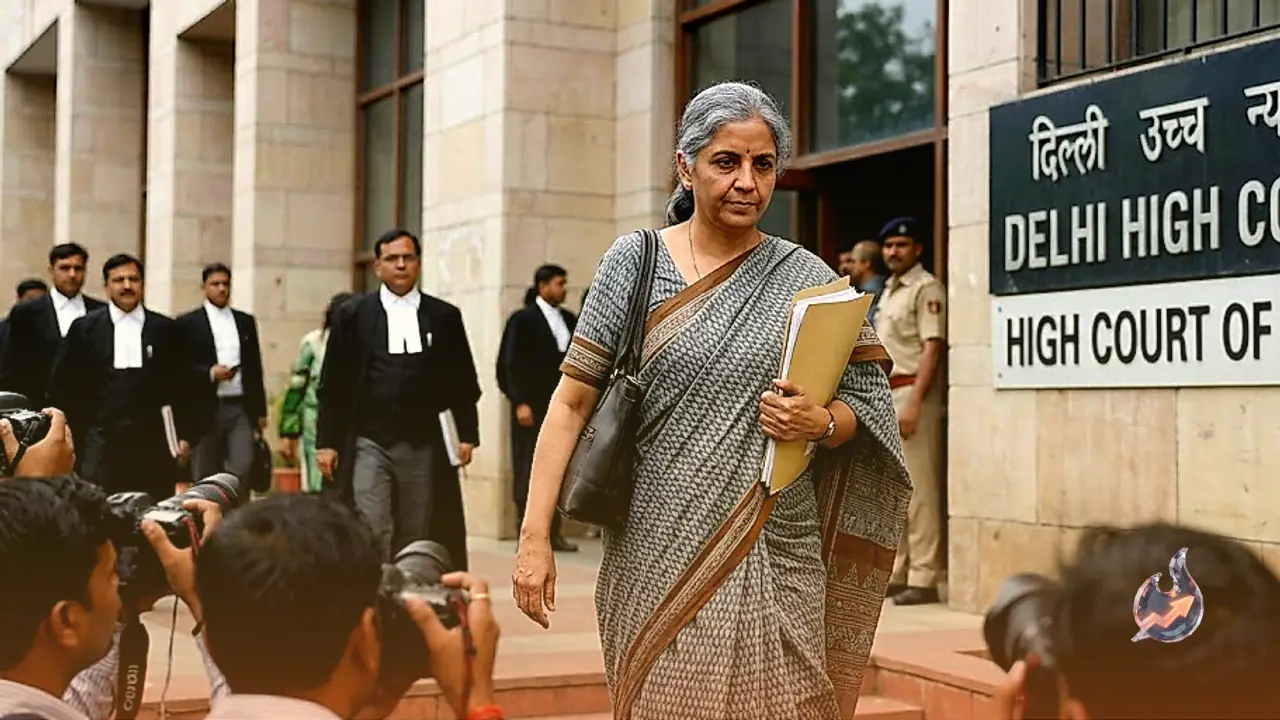
In the aftermath, widespread student protests erupted, with demonstrators claiming that timely intervention and adherence to safety norms by the administration could have prevented the loss of life. Taking serious note of the situation, the Delhi High Court transferred the case from the Delhi Police to the CBI. The court mandated the agency to determine if any form of official corruption, negligence, or dereliction of duty was responsible for the catastrophe.
CBI Investigation Findings
During the course of the investigation, the CBI interrogated numerous witnesses and conducted a exhaustive review of relevant materials. This included documentation related to the coaching center, internal MCD files, previous inspection reports, building construction records, and technical data regarding rainfall and water accumulation patterns. The agency aimed to ascertain whether MCD officials had ignored rule violations or engaged in any form of collusion.
According to the investigating agency, the analysis of these records and witness statements did not yield sufficient evidence to establish criminal liability against any senior MCD official. The CBI informed the court that there is not enough evidence to justify initiating proceedings for negligence or corruption under the Indian Penal Code, leading to the filing of a closure report instead of a chargesheet.
Implications of the Report
The submission of this closure report does not deny the occurrence of the tragedy or the existence of responsibility. The agency’s conclusion is strictly limited to the finding that no legal evidence exists to frame senior MCD officials as accused persons in a criminal trial. Under criminal law, prosecutions cannot be built upon suspicion or speculation; they require definitive, tangible documentation and direct evidence. The CBI maintained that the current record does not demonstrate that senior MCD officials knowingly violated their duties with criminal intent.
Judicial Review
The final decision regarding the matter now rests with the court. The judiciary holds the authority to accept the CBI’s closure report, reject it, or order further investigation if deemed necessary. Once a closure report is filed, the path forward is governed exclusively by the discretion of the court.
Post-Incident Administrative Action
It is noteworthy that this tragedy triggered a major crackdown on coaching centers operating across Delhi. In the months following the incident, numerous basements used by coaching institutes were sealed. The authorities launched extensive inspections focusing on fire safety certificates, building code compliance, and disaster management protocols. Several institutions were issued show-cause notices, and local administration launched a broader drive against unauthorized construction and regulatory violations in the area.