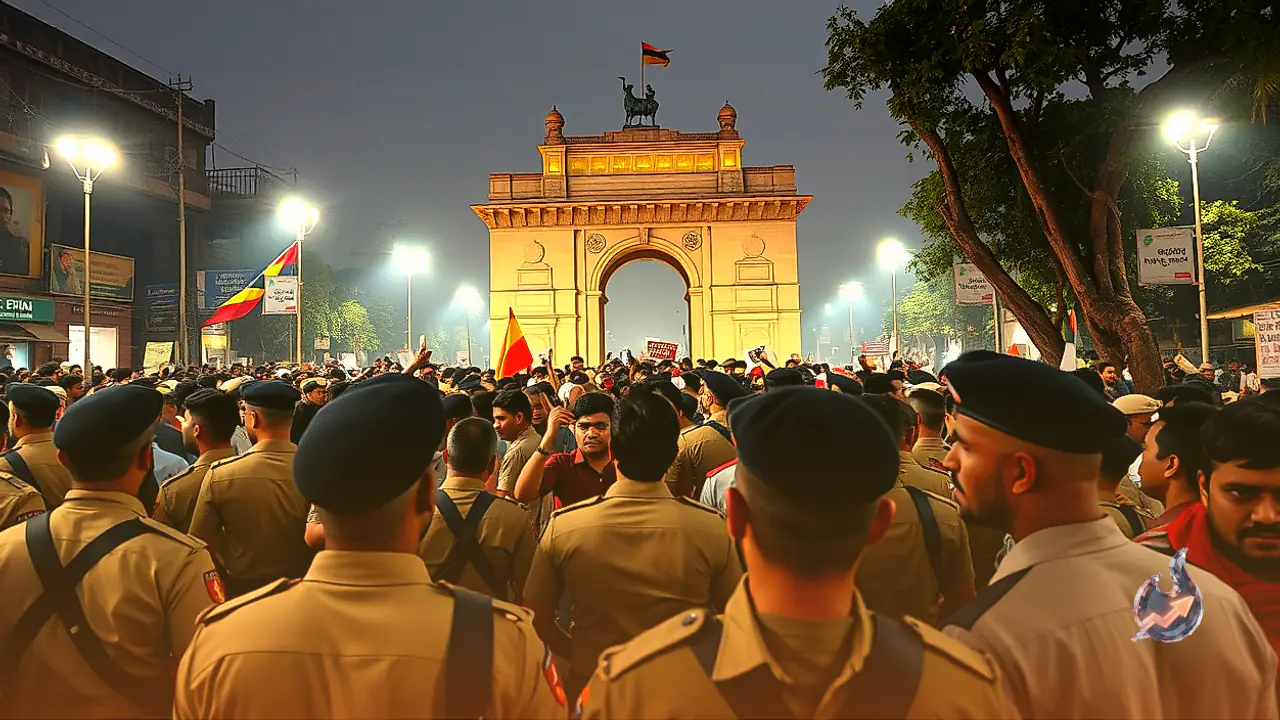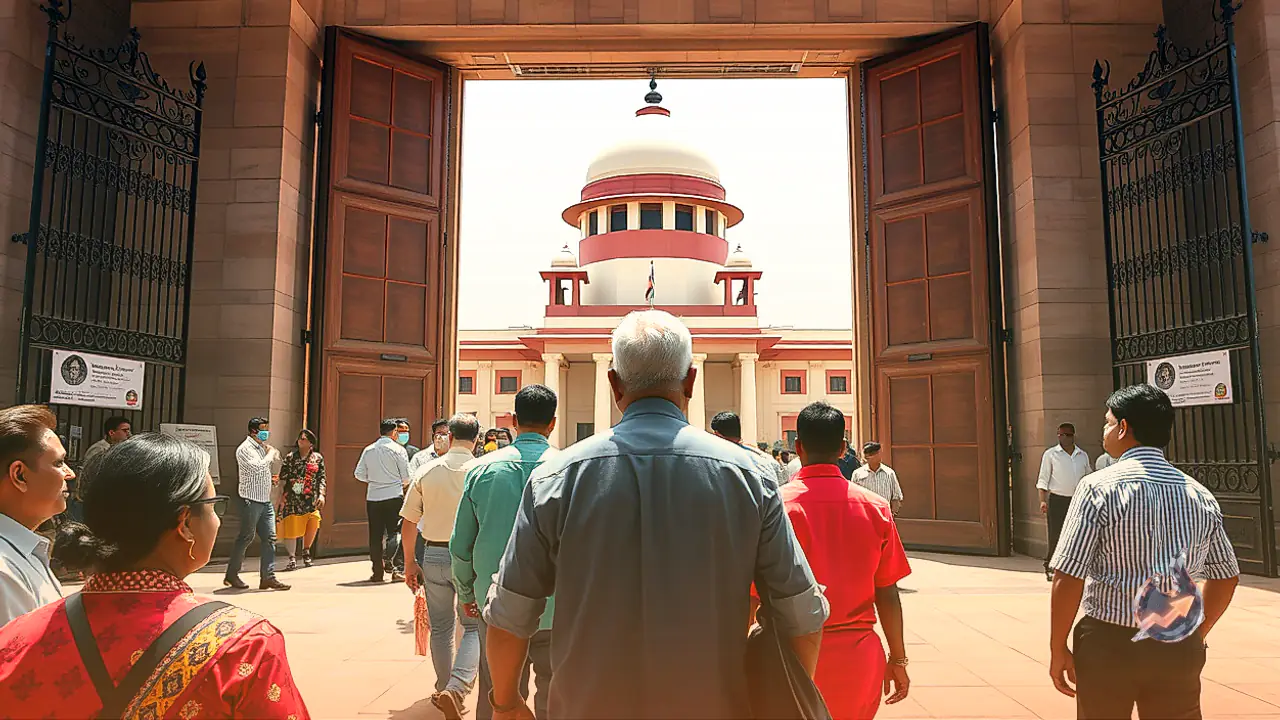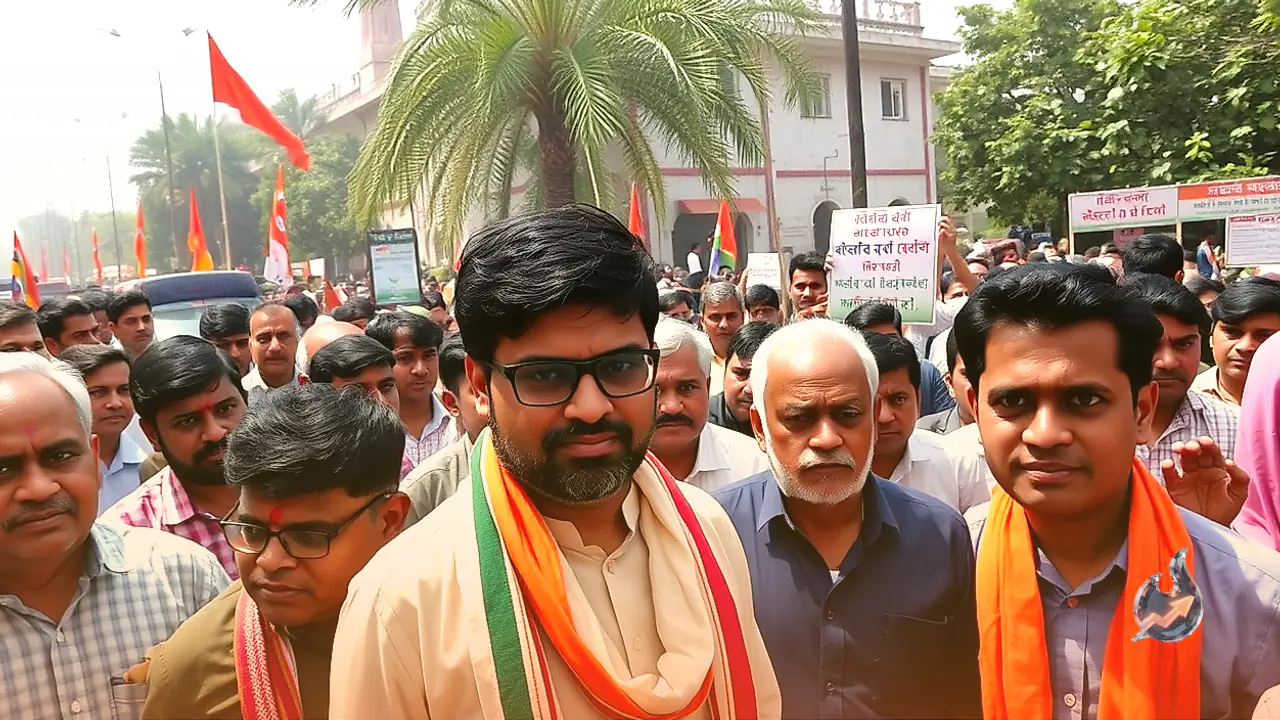






















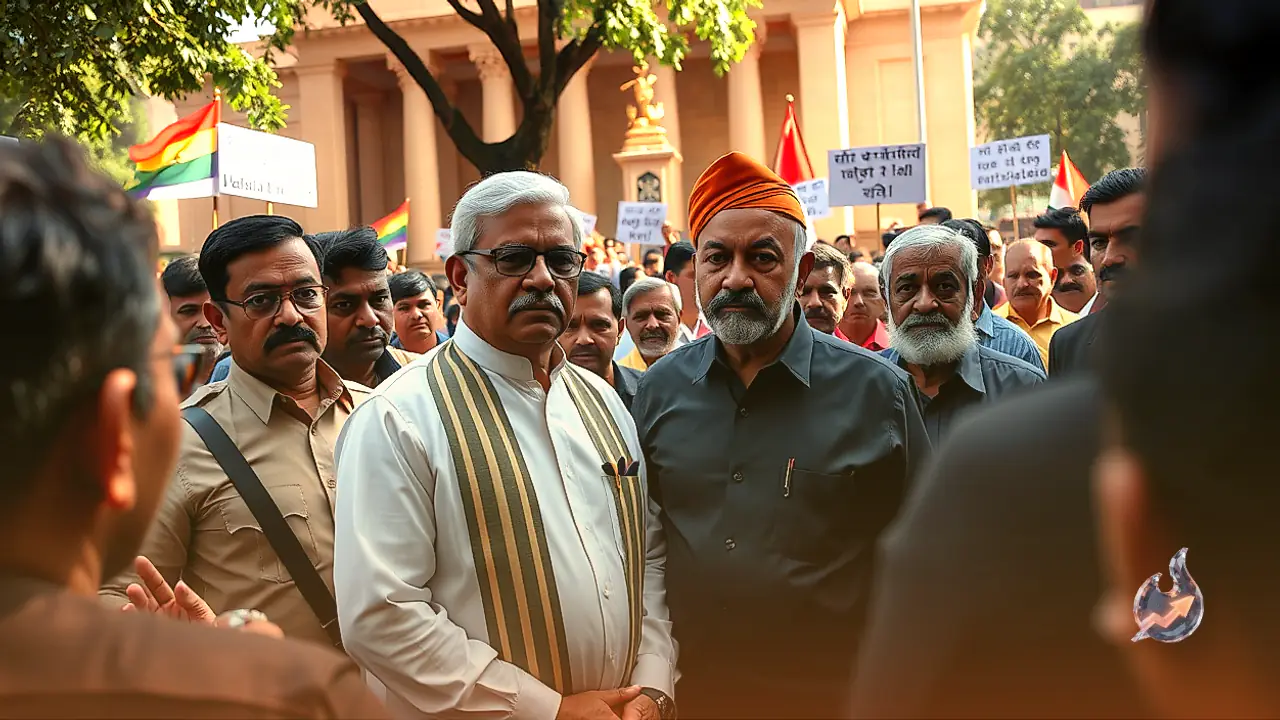

Chief Justice of India (CJI) Surya Kant stated that maintaining security and addressing public demonstrations in the national capital fall under the domain of law and order, which is not an issue for the judiciary. Speaking to reporters on the sidelines of the 33rd Foundation Day event of the National Human Rights Commission (NHRC) at Vigyan Bhawan on 12 October, the CJI declined to comment directly on the ongoing demonstrations against Chief Election Commissioner (CEC) Gyanesh Kumar or the resulting civic movement restrictions.
Refusal to Meet Opposition Leaders over Voting Concerns
The CJI addressed queries regarding a meeting request submitted by Congress President Mallikarjun Kharge and Leader of Opposition in the Lok Sabha Rahul Gandhi. The two senior leaders had written to the CJI seeking an appointment between 4 PM and 5 PM on Monday to hand over a memorandum on alleged vote theft. Their demands included the immediate resignation of CEC Gyanesh Kumar, a stay on the Special Intensive Revision (SIR) of electoral rolls, and a return to paper ballots for future elections. CJI Surya Kant declined the interaction, explaining that he had communicated his reasons through an official reply. He maintained secrecy regarding the communication, noting that the contents of the letter remain confidential. He also refrained from making any remarks on the opposition's proposed protest march to the Supreme Court.
Judicial Doors Open to Every Citizen
Commenting on the persistent demonstrations led by members of the Cockroach Janta Party and various lawmakers, the CJI underlined that access to justice remains open to all. He observed that every Indian national, whether an ordinary individual or an elected public representative, possesses the statutory right to approach the highest court. He assured that the judiciary would evaluate any matter brought before it strictly according to law and restore fundamental rights wherever required.
Mass Detentions and the JPC Simultaneous Elections Consultation
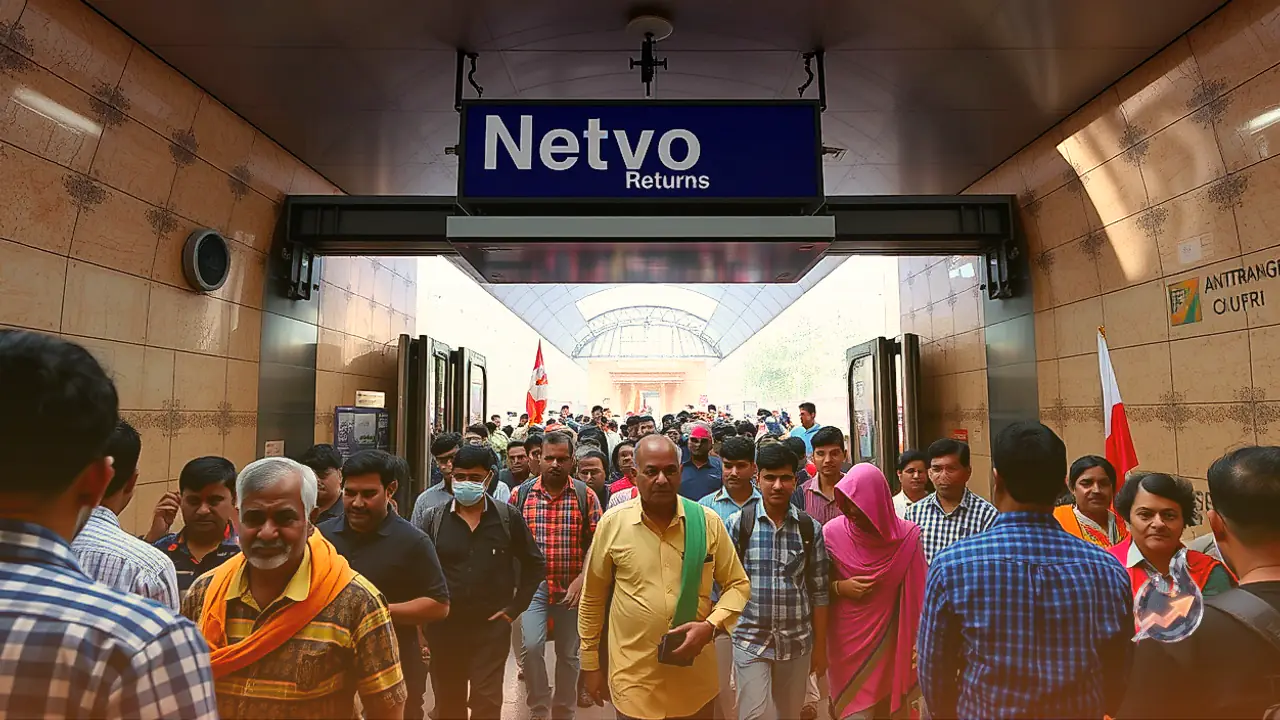
The national capital recently witnessed extensive security arrangements over the weekend to handle the civil unrest. On 10 October, authorities shuttered 45 metro stations and instituted detailed checks across border checkpoints, leading to the temporary detention of thousands of individuals, including prominent Cockroach Janta Party figures and former chief ministers. Separately, regarding the cancellation of an informal meeting with the Joint Parliamentary Committee (JPC) on simultaneous elections, the CJI clarified that judges decided against it to avoid potential conflicts of interest. Since legislation or decisions stemming from the committee could later be challenged before the apex court, CJI Surya Kant and his fellow judges concluded that participating in informal deliberations would be inappropriate. JPC Chairman P. P. Chaudhary had earlier confirmed that an initial plan for informal discussions was subsequently withdrawn by the Supreme Court on ethical grounds.