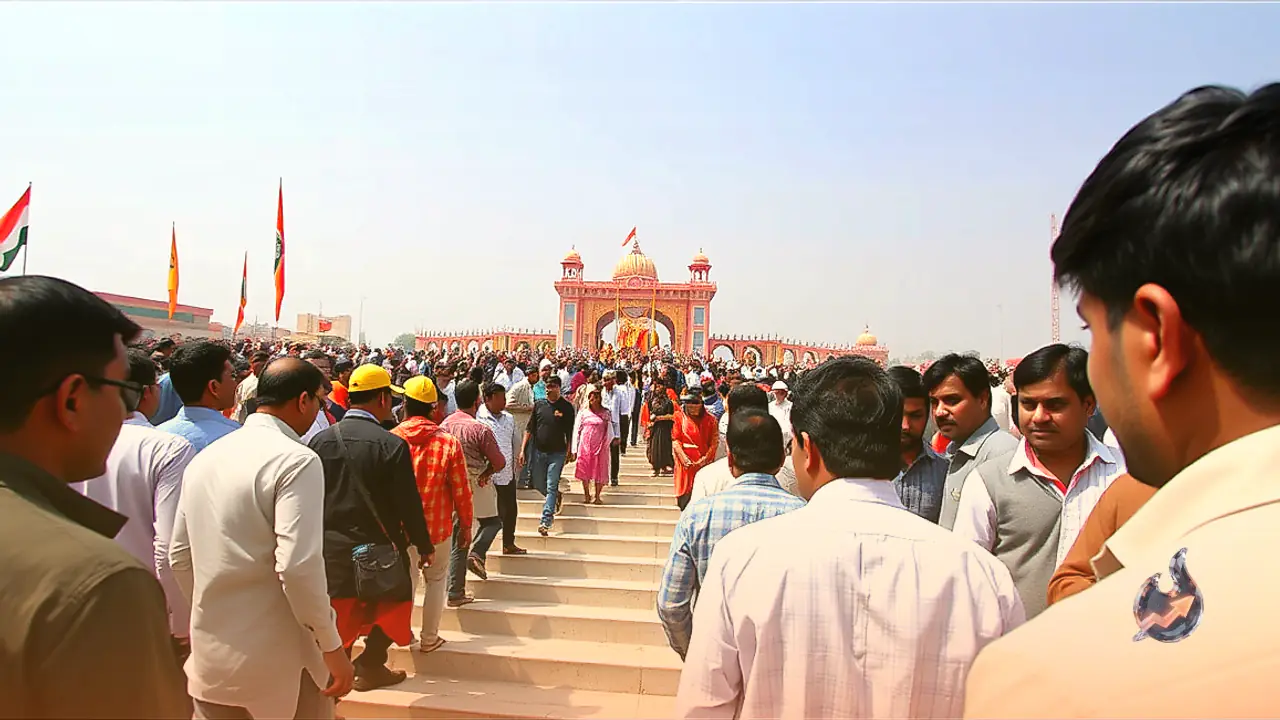

















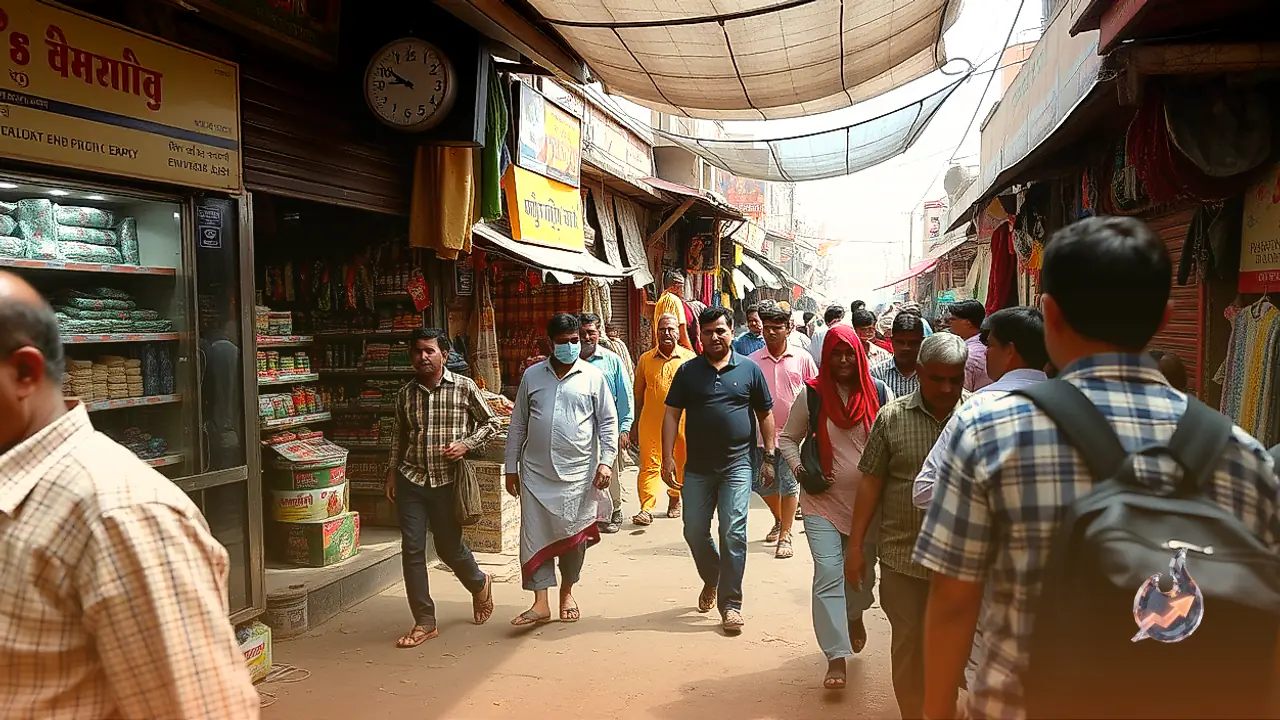

Katahra Bazaar in the Jwalapur area of Haridwar stands as the district's largest and most storied commercial hub, carrying over a century of trade history. In earlier decades, this sprawling marketplace was so crowded with shoppers buying garments, jewellery, and daily household goods that navigating the narrow lanes was a formidable challenge. In recent years, the rapid expansion of digital retail platforms like Amazon, Flipkart, and Meesho has severely undercut local footfall. Traders in the bazaar report that nearly 90 percent of their regular customer base has disappeared, leaving once-bustling storefronts eerily quiet.
The Turnaround Since 2017 and the Impact on Small Retailers
Ashok Gupta, a local merchant running his ancestral shop since 1991, explains that traditional business experienced a sharp downturn around 2017. The aggressive entry of massive digital retail networks and hyper-capitalised corporate store formats has systematically squeezed independent store owners. Everyday commerce ranging from packaged tea and groceries to readymade apparel has consolidated under a handful of major industrial conglomerates. He notes that domestic expenditure is increasingly routed to global corporate entities, leaving independent neighbourhood vendors sitting idle even during peak festive periods that historically generated the bulk of annual earnings.
Polished Digital Visuals Versus Tangible Product Inspection
Traders with memories stretching back across generations observe a fundamental shift in buyer behavior. Shopkeeper Virendra Arora points out that this marketplace, functional since the British era, maintained steady crowds until edited product photography and aggressive online advertising changed consumer habits. He notes that digital shoppers often receive merchandise that fails to match digital expectations. In contrast, Katahra Bazaar enabled customers to inspect goods in person, feel the materials, verify durability, and negotiate fair prices. The shift toward quick online deliveries has largely stripped festive shopping of its physical vibrancy and community character.
Fabric Quality Concerns and the Struggle of Traditional Markets
Another local shopkeeper, Paurush Arora, highlights the ongoing struggle to retain buyers during high-demand festival periods. He explains that evaluating clothing material, weave density, and tactile texture remains impossible through a phone screen, whereas physical retailers prioritize buyer satisfaction before finalizing a sale. Despite the enduring advantage of tactile inspection, consumer preference continues to tilt heavily toward convenient online ordering. As a result, the oldest and most extensive trading district in Haridwar is left waiting for customers, putting the future of multi-generational retail businesses in serious jeopardy.