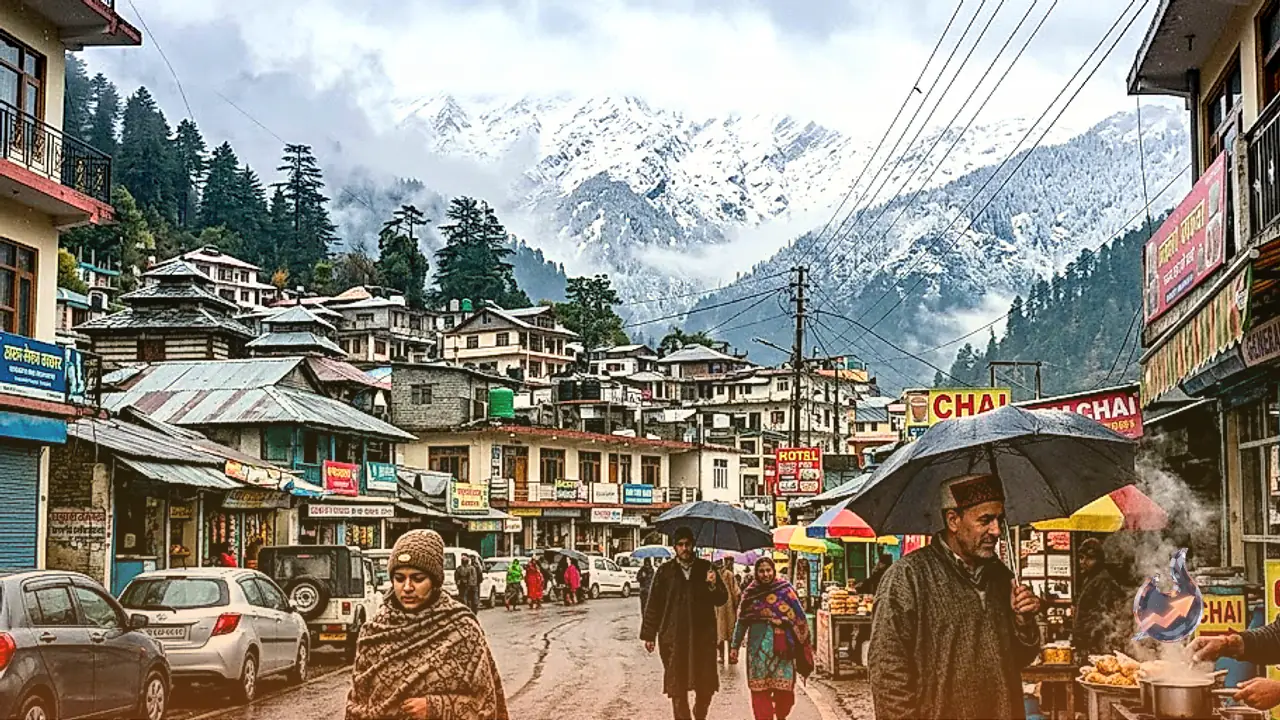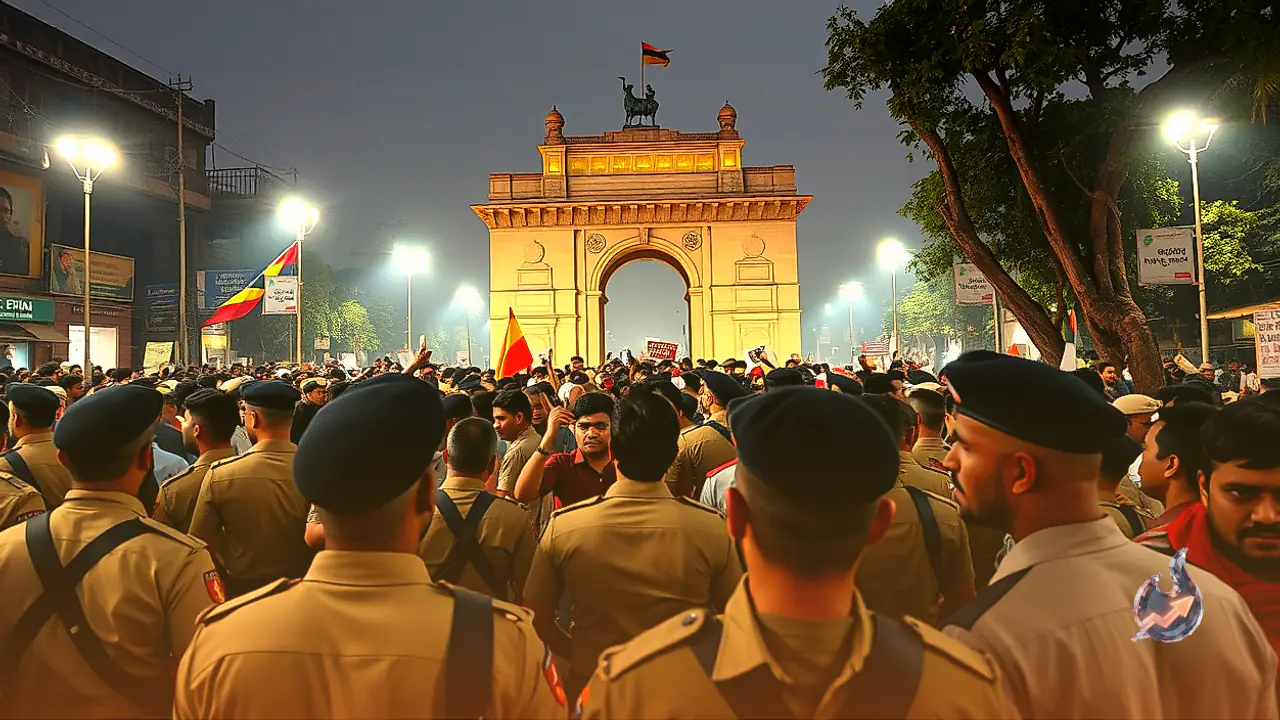



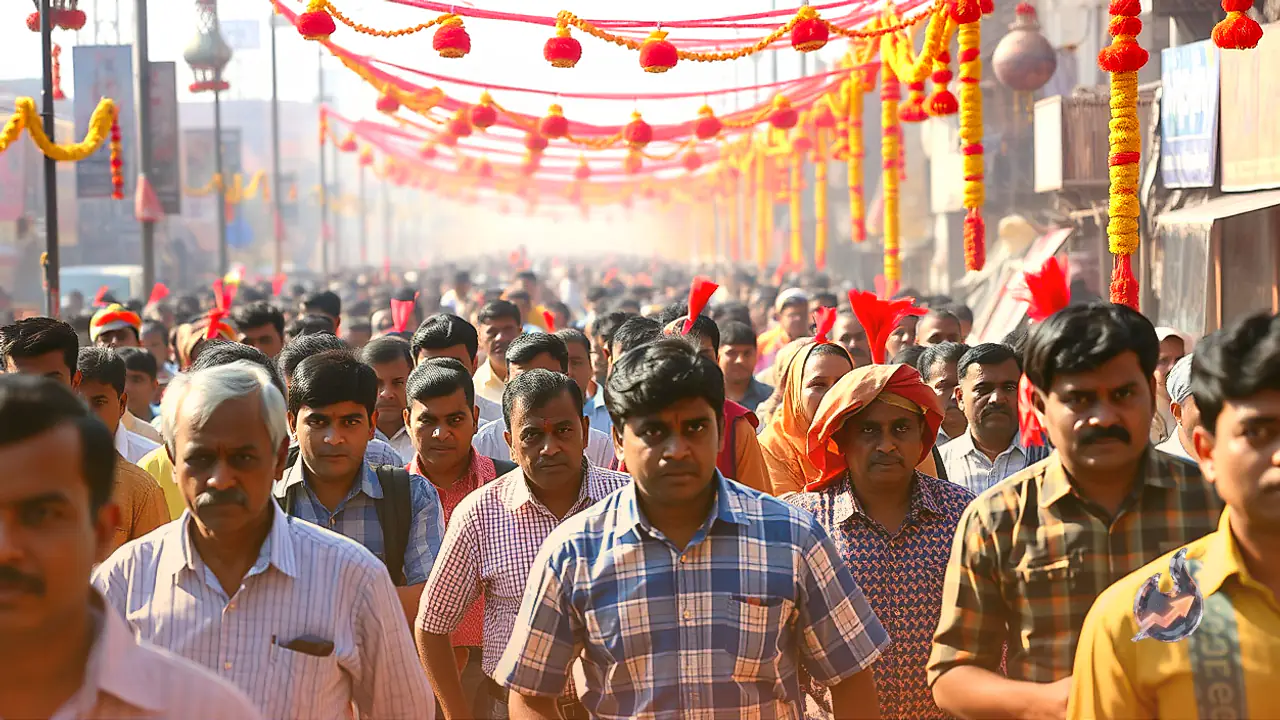














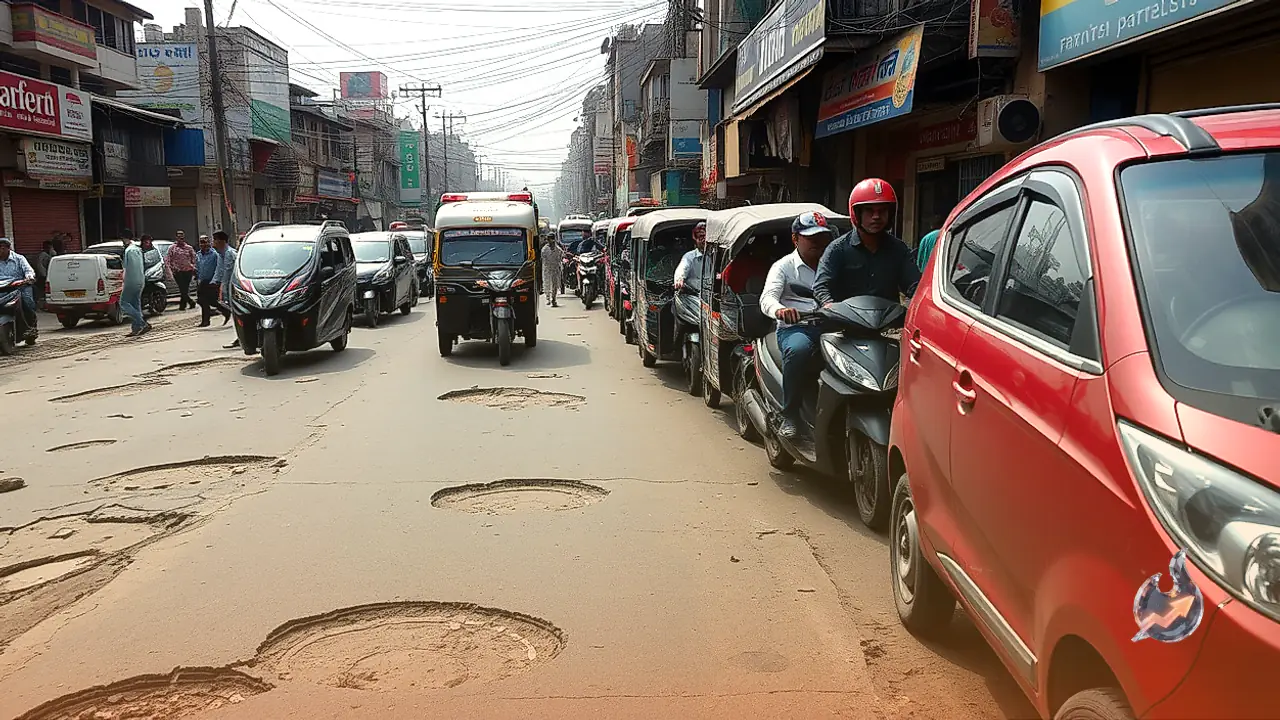

Known worldwide for its revered ghats and picturesque riverbanks, Rishikesh draws millions of visitors each year, yet the continuous influx of tourists is creating an increasingly difficult living environment for longtime local residents. Daily commuting has turned into a major challenge as citizens struggle with neglected roadways, severe vehicular congestion, drainage issues, and an acute scarcity of parking spaces throughout the town.
Lack of Pedestrian Paths, Poor Lighting, and Waste Management Issues
The absence of dedicated footpaths across most market routes forces pedestrians to navigate moving vehicular traffic directly on the carriageway, significantly raising accident risks. The everyday troubles of residents are further compounded by poorly maintained public toilets, overflowing garbage bins, and dysfunctional street lights that leave several crucial stretches in darkness after sundown, making night travel hazardous.
Longtime Citizens Detail Rough Roads and Chaotic Driving
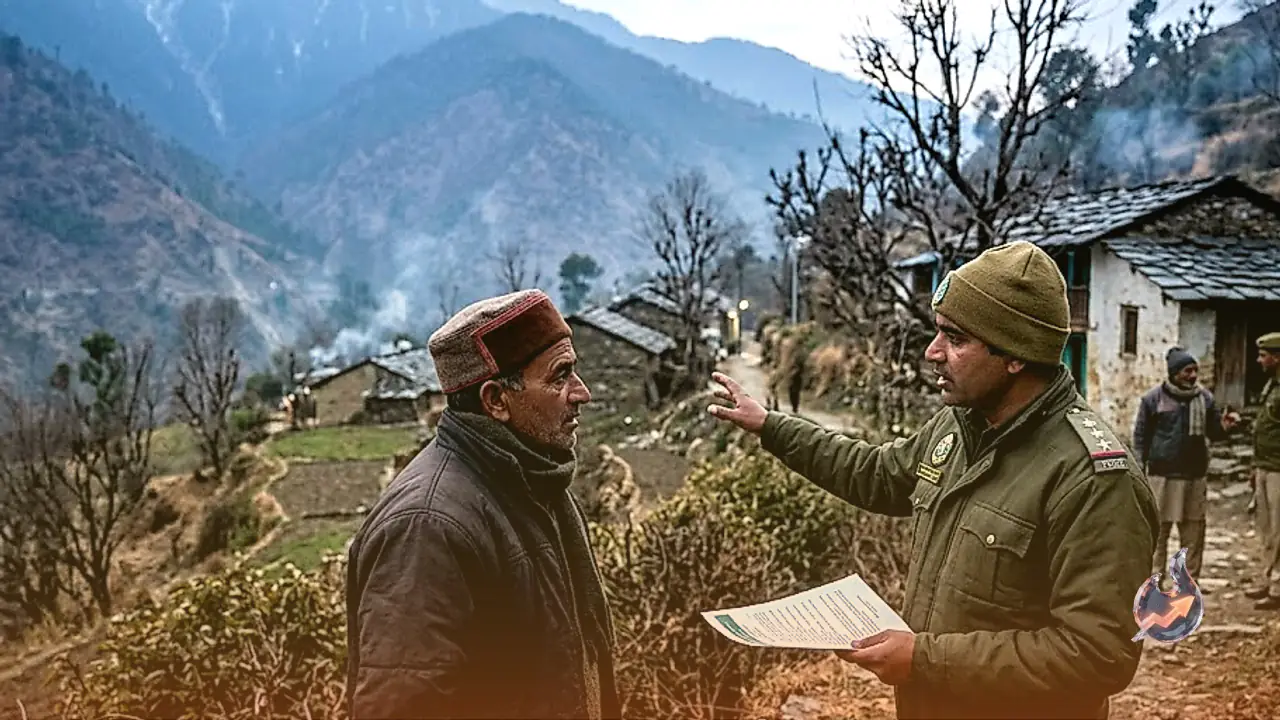
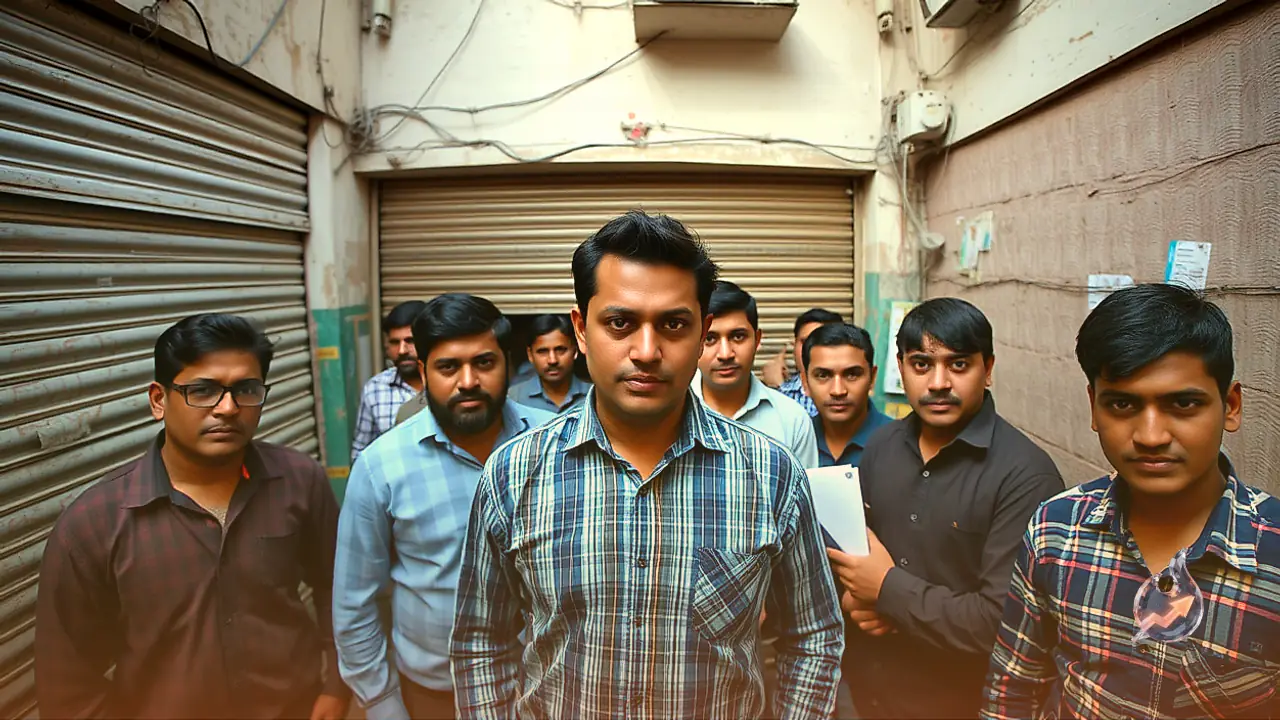
Lifelong local resident Mahendra Grover notes that vehicle density in the town has reached overwhelming levels, aggravated by erratic and reckless driving that imperils pedestrians. Massive craters that formed across main thoroughfares have remained unattended since the monsoon season, rendering daily movement precarious. Commuters are also burdened by arbitrary auto-rickshaw fares and have expressed a strong desire for an organized municipal city bus service to ease public transit.
Ambedkar Chowk, Tilak Road, and Railway Road Demand Immediate Repairs
Maheshwar Lal, who has lived in Rishikesh since 1946, highlights narrow inner lanes and pervasive potholes as the core challenges that become particularly severe during rains when water accumulation obscures road damage. He points out that key thoroughfares such as Ambedkar Chowk, Tilak Road, and Railway Road require prompt resurfacing alongside the restoration of functional street lighting to make them safe for regular traffic.
Highway Traffic Smooth, But Inner Colony Lanes Remain Severely Strained
Sharing his perspective after living in the town for six decades, Ajay Kumar observes that while primary highway stretches remain in acceptable shape, the interior alleys and municipal roads endure unrelenting gridlock. He stresses that administrative priorities must immediately pivot toward repairing potholes, clearing choked drainage networks, and regulating localized congestion to restore basic civic livability for the town's permanent population.