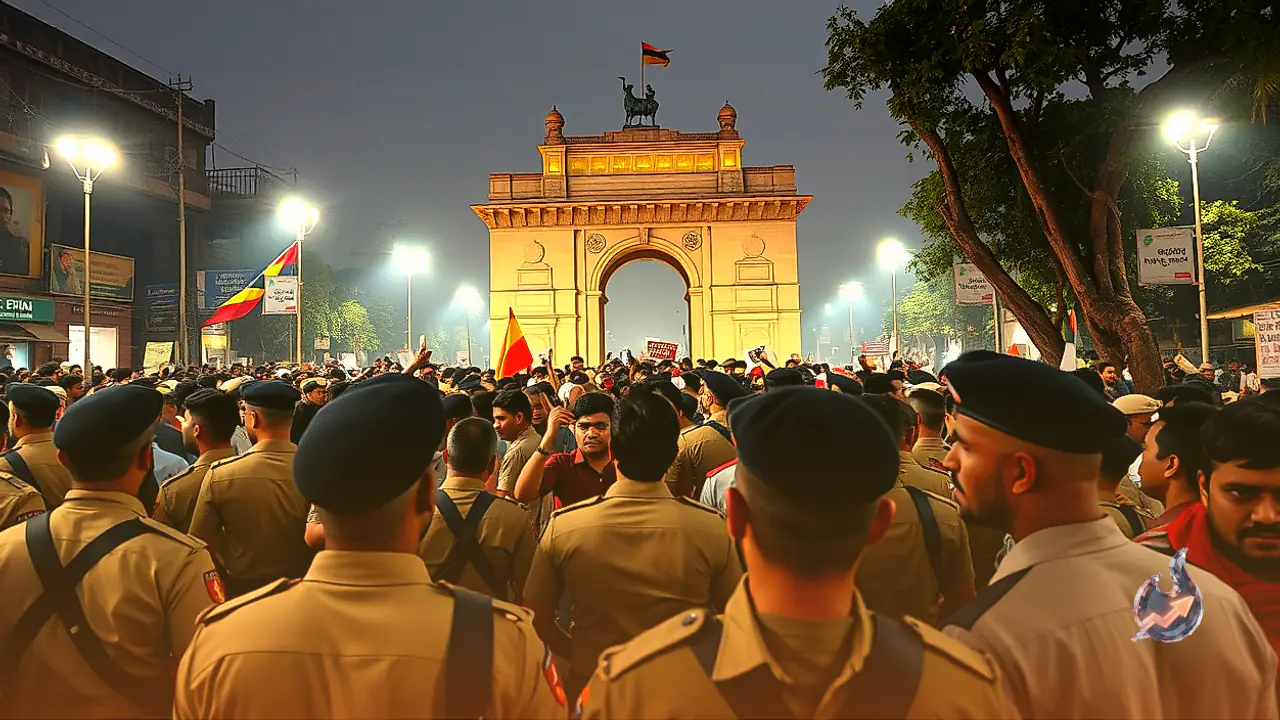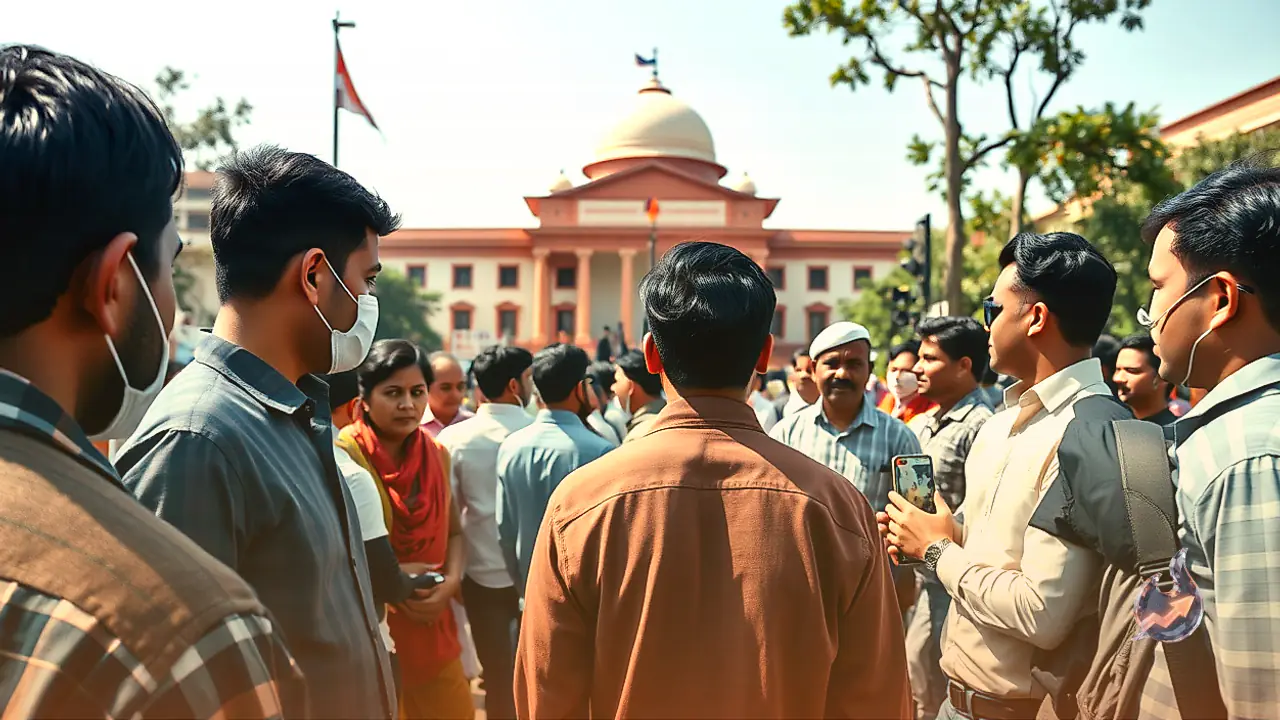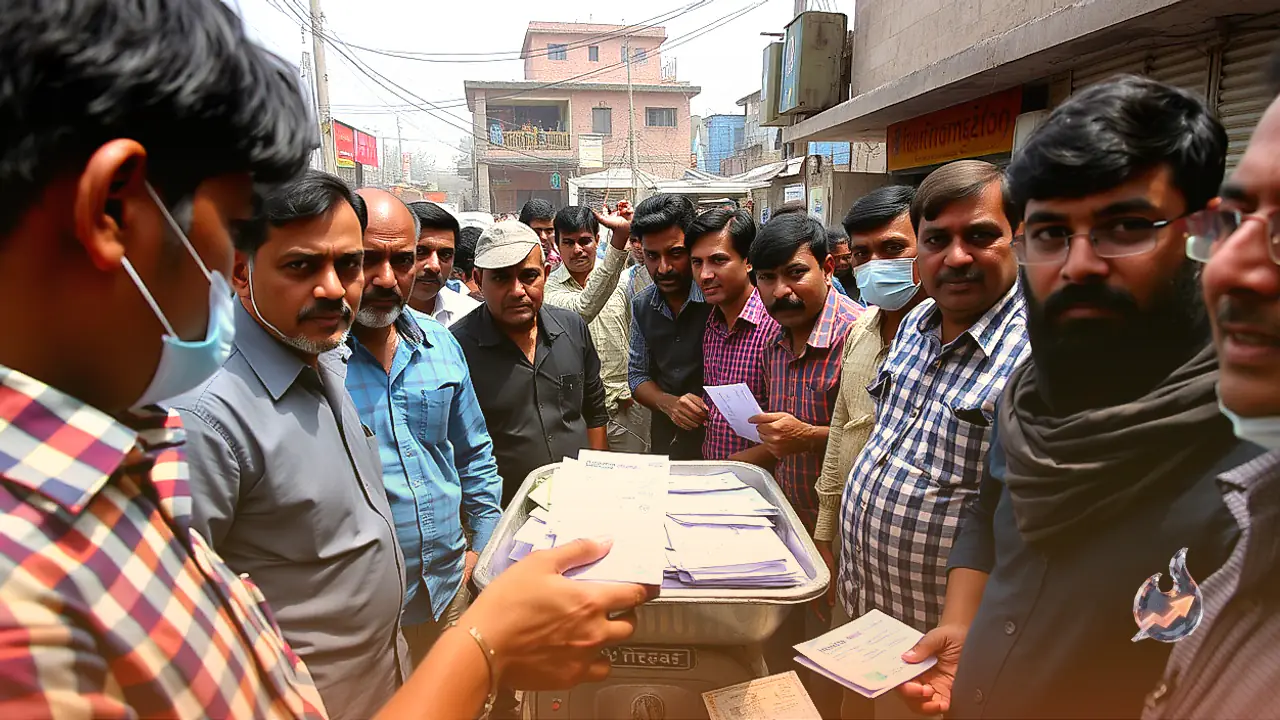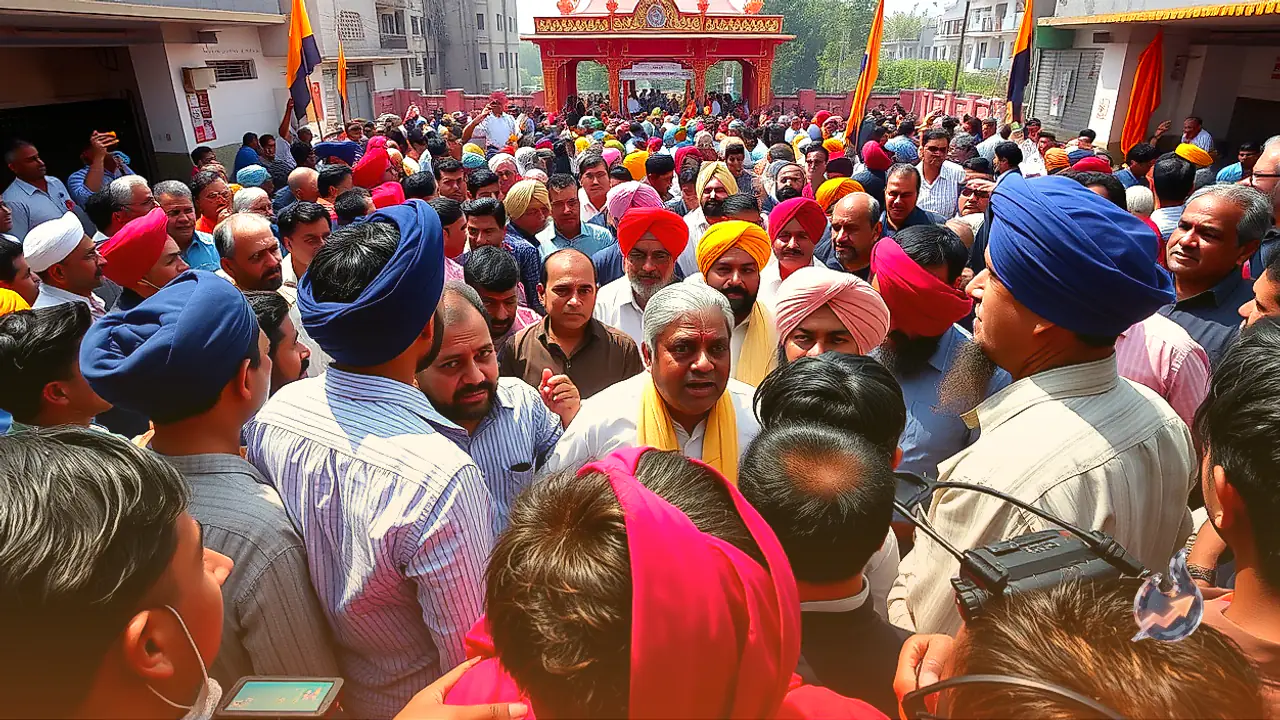















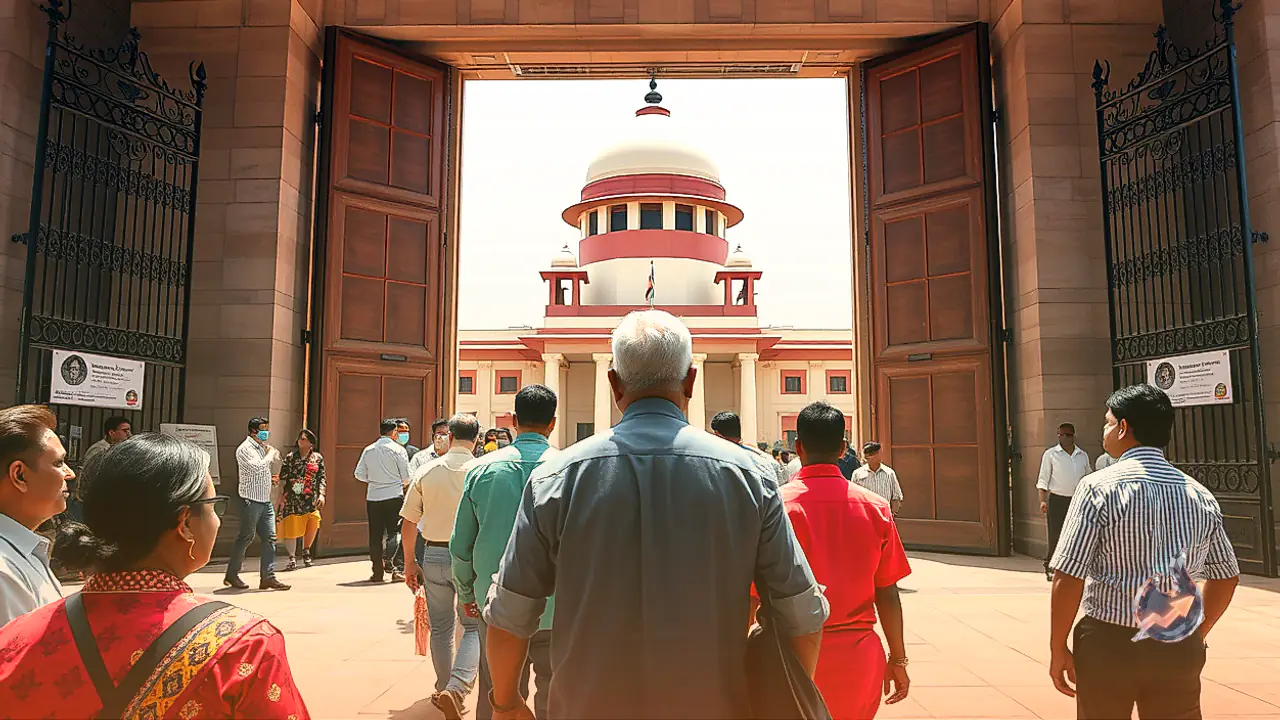

Every individual in the country possesses the undisputed right to seek judicial intervention if their constitutional protections and civil liberties face undue restriction. Chief Justice of India (CJI) Suryakant stated on Monday that the doors of the Supreme Court remain open to all citizens whenever fundamental rights are compromised. Emphasizing the judiciary's institutional duty, he assured that the top court will adjudicate all such grievances in strict conformity with the law. This definitive statement comes amid escalating friction in the national capital, where administrative security restrictions, preemptive detentions, and movement curbs were imposed ahead of planned political demonstrations. Addressing whether the apex court would entertain petitions concerning obstacles to civil liberties in the prevailing Delhi environment, the Chief Justice noted that related issues were already receiving judicial consideration.
CJI Suryakant underlined that the bench is already reviewing specific matters brought before it and affirmed that any person facing a breach of civil liberties is entirely free to approach the court, where hearings will proceed strictly in accordance with legal principles.
Scrutiny Over Security Restrictions and Police Actions in Delhi
The Chief Justice's remarks arrived at a critical juncture when the Supreme Court is examining administrative curbs deployed across the capital, the detention of demonstrators and practicing lawyers, and the pressing balance between maintaining public order and preserving constitutional liberties. Security arrangements enforced across multiple parts of Delhi have drawn intense public scrutiny. This is not the first instance where the highest court has intervened in controversies involving street demonstrations and the uninterrupted operation of essential civic amenities, consistently attempting to reconcile law enforcement needs with citizen freedoms.
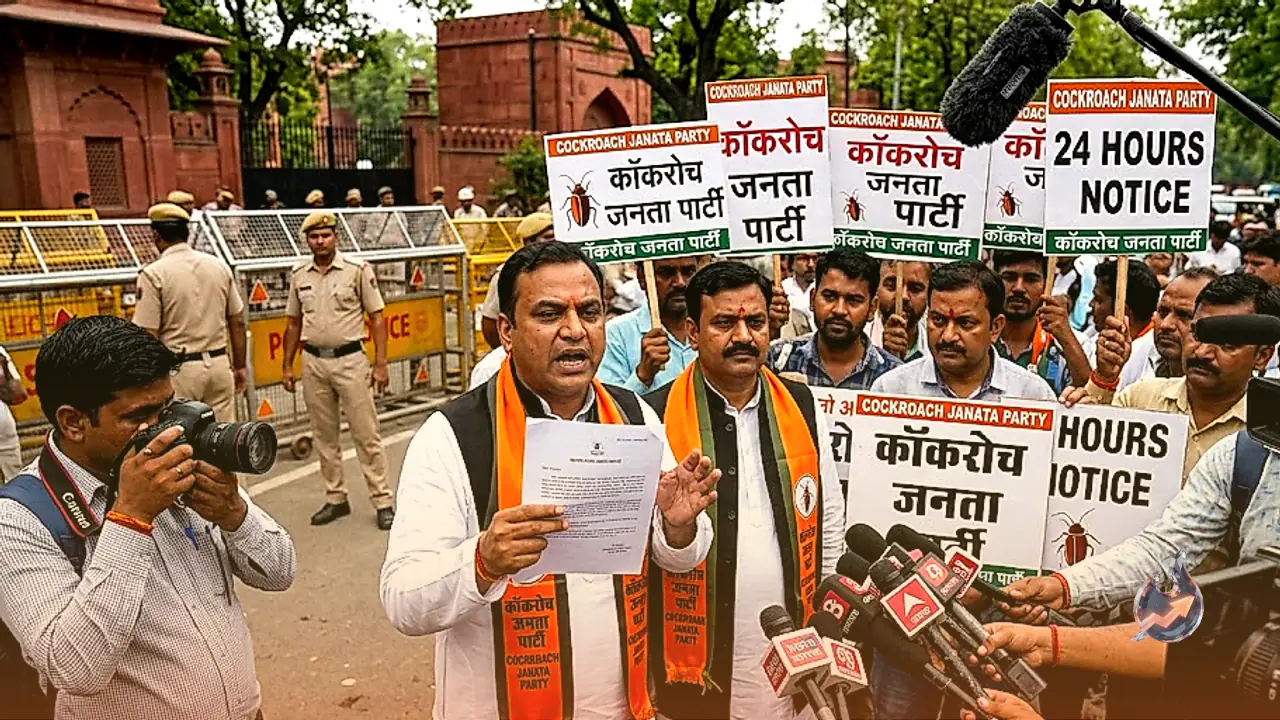
The current legal dispute originates from coordinated protests organized by the Cockroach Janata Party (CJP) alongside the opposition INDIA alliance targeting the Election Commission. The political outfits took to the streets to raise questions regarding alleged discrepancies and irregularities in the electoral roll revision process. In response to the scheduled demonstrations, authorities deployed heightened security measures, barricades, and regulatory curbs throughout several sensitive areas across Delhi, defending the moves as necessary precautions to avert public disorder and potential chaos.
Protecting Public Transit and Everyday Commuter Mobility
During court proceedings, the bench raised pertinent questions regarding how administrative mechanisms intend to balance civil liberties against sweeping public restrictions. The court voiced notable concern over the heavy disruption these security measures inflict on ordinary citizens, daily office workers, and travelers. It underscored the absolute necessity of ensuring that municipal public transport and essential urban services remain completely unhindered during enforcement drives.
Indicating immediate corrective measures, the Supreme Court signaled its willingness to issue an interim order designed to safeguard normal Delhi Metro services and keep commuter movement fluid across the capital. Further procedural directives will follow after hearing formal submissions from all involved stakeholders. The court's active involvement reiterated the foundational principle that crowd-management actions and administrative controls must be judged under constitutional yardsticks, notably freedom of expression and the fundamental right to assemble peacefully without arms.
Firm Warning Against Arbitrary Detentions and Finding urban Balance
The debate surrounding civil liberties intensified significantly following reports that practicing Supreme Court lawyers were detained during the policing operations in Delhi. In the wake of these detention reports, CJI Suryakant intervened, and the top court took an unambiguous stand by making it clear that arbitrary detentions would not be tolerated under any circumstances. The episode triggered sharp questions over whether advocates and observers seeking to monitor the demonstrations were unlawfully prevented from exercising their rights.
Earlier, during an October 10 hearing concerning restrictions imposed ahead of the CJP demonstration, the Supreme Court had similarly stressed the delicate task of balancing the democratic right to protest with the administrative imperative of preserving civil order. The observations made from the bench illuminate the intricate urban governance challenge in a densely packed metropolis like Delhi, where maintaining peace requires administrators to consider not just political participants, but the real-world impact on daily residents, office commuters, shopkeepers, and local commercial establishments.