























The Delhi government is preparing to roll out a decentralized mechanism to resolve pending traffic fines across the national capital. Once implemented, vehicle owners will no longer have to wait for Lok Adalat sessions or stand in long queues to clear their outstanding traffic tickets. Instead, citizens will be able to settle their dues on any working day at administrative offices situated just a short distance from their homes.
Decentralized Authority for SDM and Transport Offices
Under the proposal being drafted by the Rekha Gupta government, official powers to collect pending traffic fines will be delegated to 39 SDM officers stationed across all 13 administrative districts of Delhi. Alongside revenue officers, designated officials within the transport department will also be empowered to process these pending challan payments.
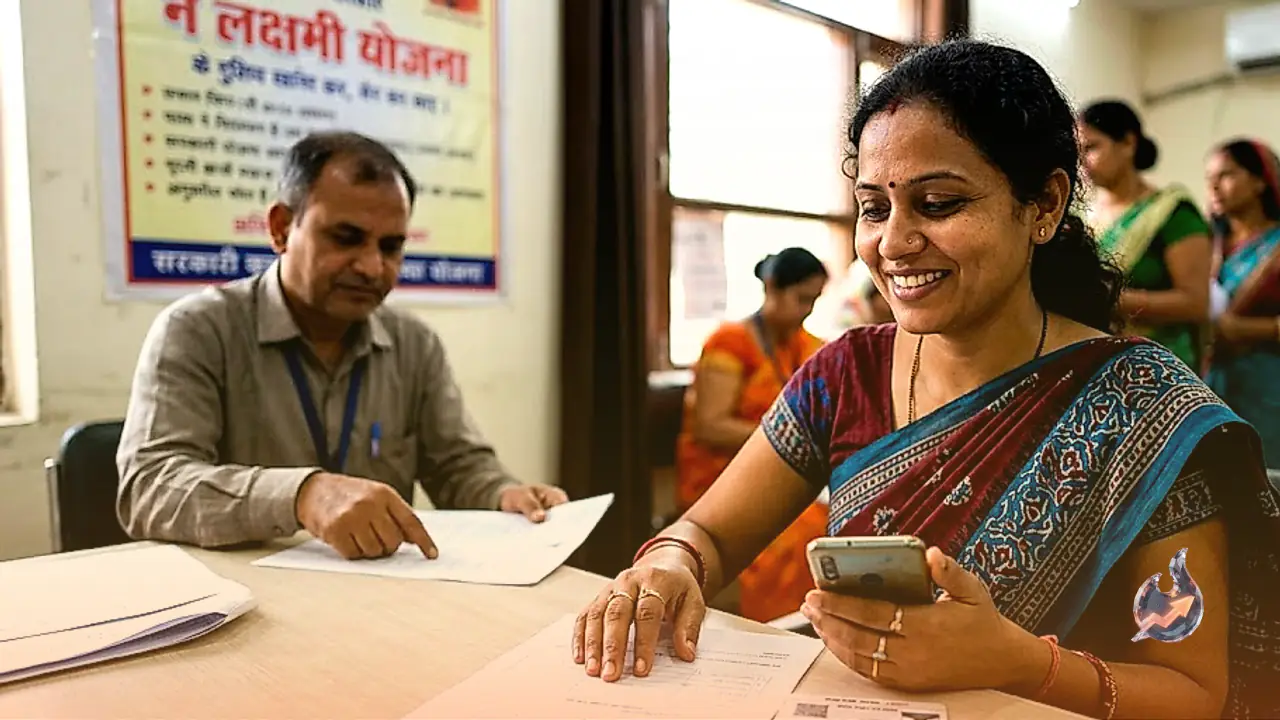
This initiative allows motorists to visit their nearest SDM facility or transport department office whenever convenient. By removing the dependency on periodic Lok Adalat hearings, vehicle owners gain the flexibility to resolve traffic penalties on any regular business day without operational friction.
Digital Portal Integration with Delhi Traffic Police
To support this decentralized setup, a dedicated online portal will be created to record and process fine collections. This new digital platform will be integrated in real time with the existing system managed by the Delhi Traffic Police.
The moment a motorist clears a pending challan at an SDM or transport office, the transaction details will automatically sync with the traffic police central database. The cleared fine will be instantly removed from the active pending registry on the portal, ensuring seamless digital verification without manual follow-ups.
Addressing Huge Challan Backlog and Legal Timeline
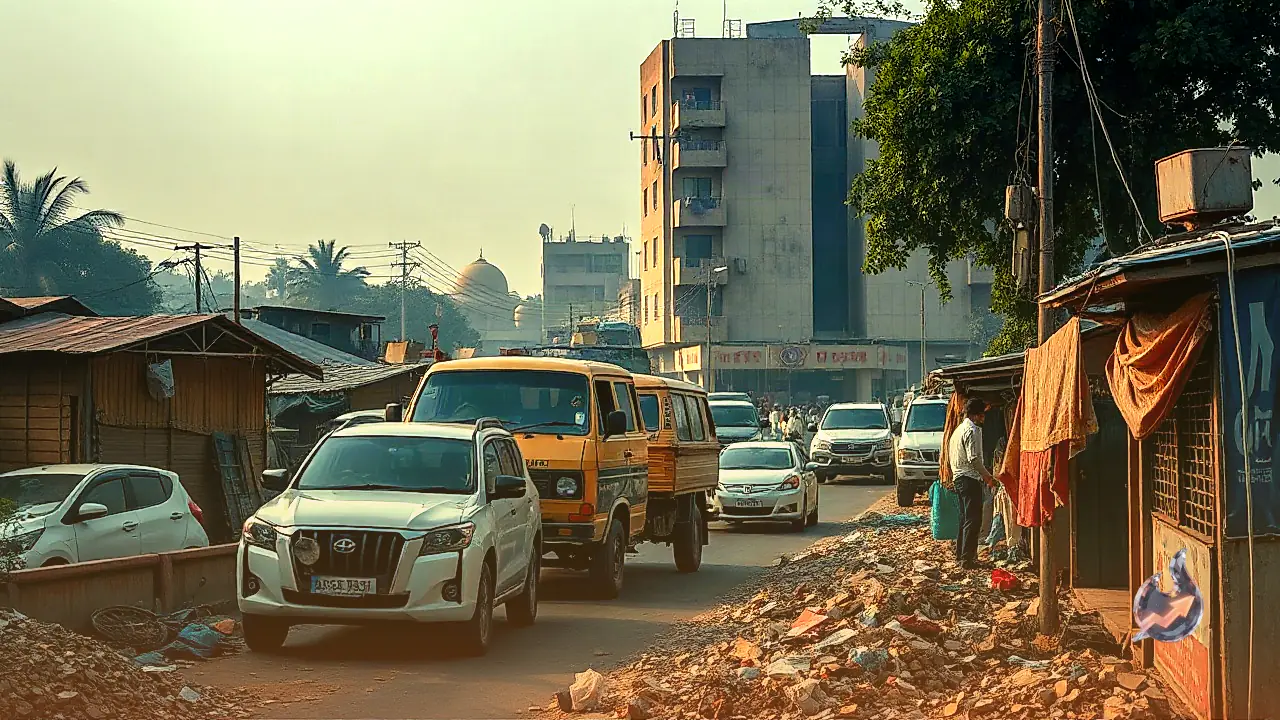
Traffic enforcement records indicate that approximately 80% of all traffic challans issued in Delhi remain unpaid each year. This persistent gap has accumulated into a massive backlog of nearly two crore unresolved challans. The primary objective of the new policy is to clear this backlog rapidly by making the payment process accessible and convenient.
Implementing this decentralized payment model requires necessary statutory amendments to the Motor Vehicles Act. The formal proposal must first be submitted to and passed by the Delhi Legislative Assembly. Upon receiving legislative approval, the government estimates a timeframe of approximately six months to make the new system fully operational. A similar proposal was under consideration during the previous government's term, though it failed to progress at that time.