



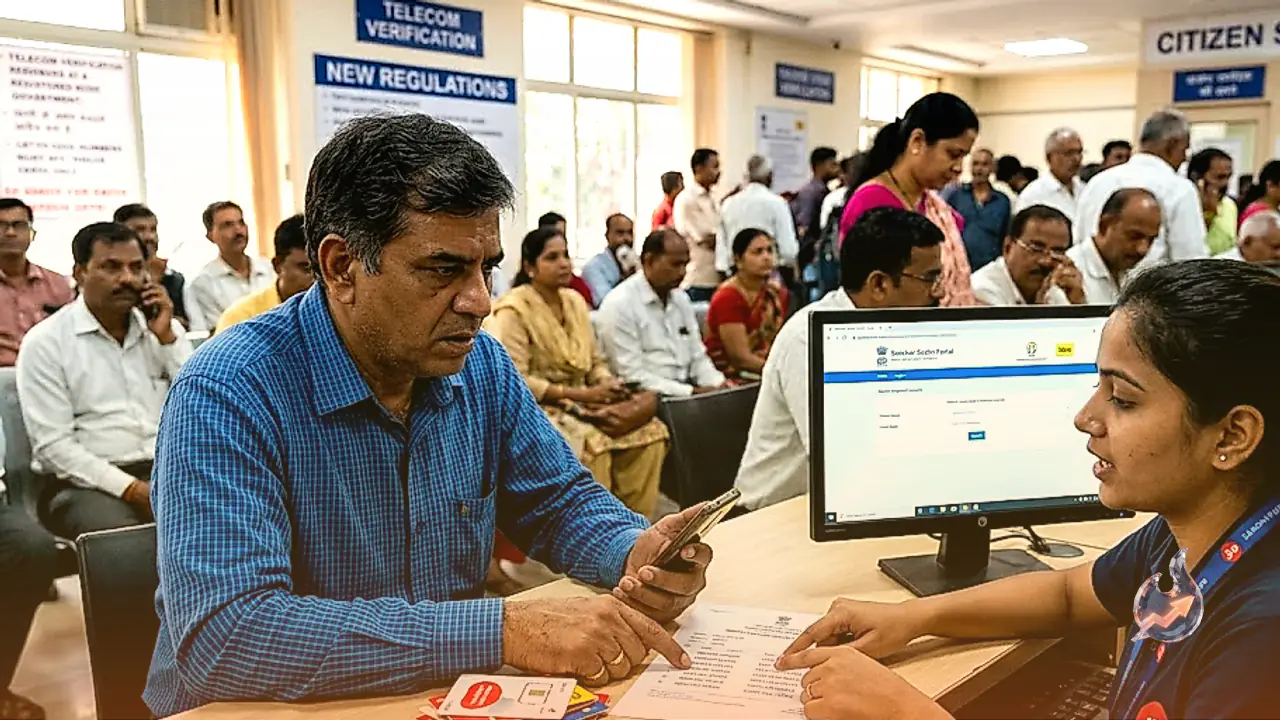


















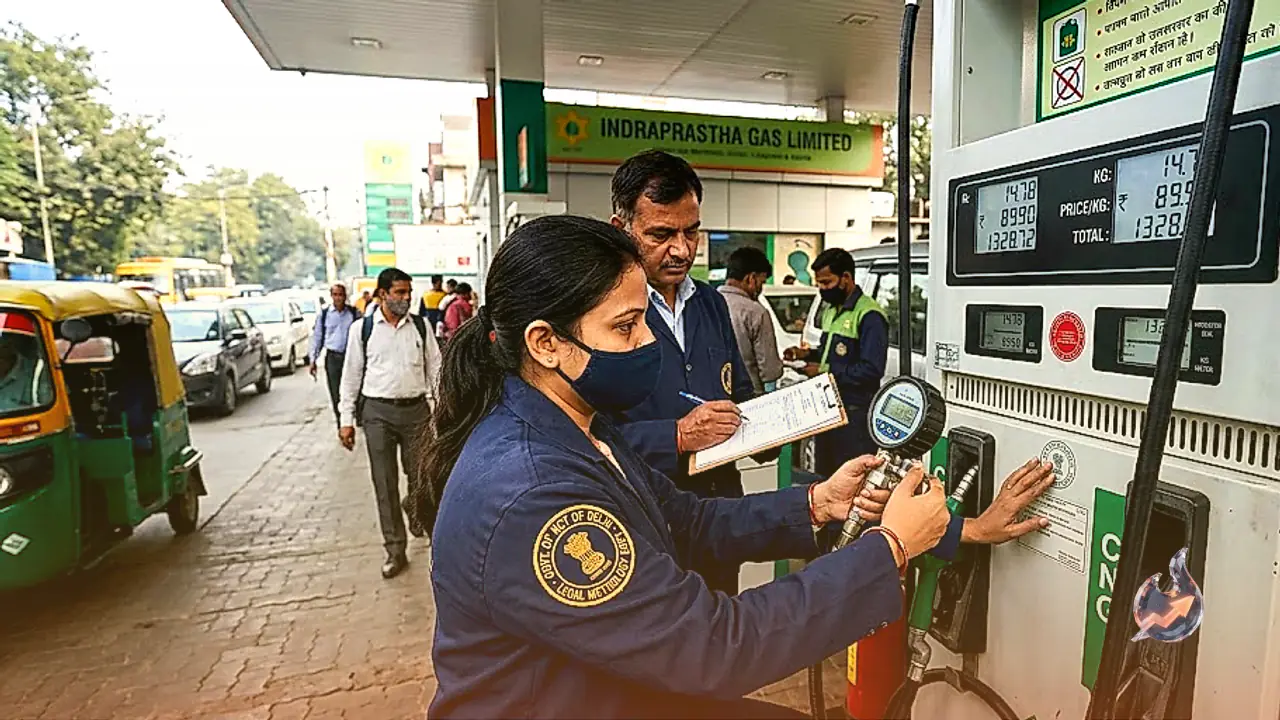

Authorities in the national capital are moving to overhaul the inspection framework for everyday measuring devices, ranging from retail scales and fuel pumps to utility meters and medical tools. The Legal Metrology Department has formulated new draft regulations for 2026 to tighten oversight on retail weighing scales, petrol, diesel and CNG station dispensers, water and electricity meters, alongside blood pressure units and thermometers. The primary objective behind this regulatory push is to shield consumers from short-measuring practices and ensure complete accuracy across all commercial and public transactions.
Private Testing Centers To Get Official Approval
Under the proposed framework, the administration will grant official recognition to private entities, companies, and firms to operate as government-approved testing centers. These authorized facilities will be tasked with verifying whether commercial scales, hospital apparatus, and fuel pumps are delivering precise quantities. By involving qualified private institutions, the department aims to expand testing capacity and maintain rigorous quality control across hospitals, retail outlets, and fueling stations throughout the region.
Daily Utility Devices Covered Under Regulations
The upcoming rules encompass a wide array of instruments heavily relied upon in daily commerce and healthcare. Prominent among these are the electronic scales and traditional weighing balances utilized in neighborhood shops and commercial stores. Furthermore, dispensers operating at petrol, diesel, and compressed natural gas stations will undergo rigorous evaluation to prevent any discrepancies in fuel delivery volumes to vehicle owners.
Special Verification Marks For Consumer Clarity
To help everyday buyers easily verify the credibility of the equipment serving them, certified devices will carry a distinct verification mark or stamp upon successfully passing the examination. This stamp will explicitly display the code of the Government of National Capital Territory of Delhi alongside the unique identifier of the testing center. Consequently, customers can immediately recognize that the machine dispensing their goods or fuel has been officially tested against rigorous government standards.
Strict Penalties For Non-Compliant Testing Centers
Accountability remains a cornerstone of the new regulatory framework, featuring strict punitive measures for malpractice. Any approved testing center found engaging in improper verification methods or violating established guidelines faces the immediate suspension or complete revocation of its operating license. Additionally, to streamline oversight, measuring instruments will be systematically categorized into high, medium, and low-risk tiers based on their functional usage.
Application Fees For Establishing Testing Facilities
Commercial entities wishing to set up an approved testing station will need to navigate specific financial requirements outlined in the draft policy. The notification proposes an application fee of 2.50 lakh rupees per equipment per year for operating as a recognized testing facility, ensuring that only qualified and serious organizations participate in the verification ecosystem.
Public Feedback Invited On Draft Guidelines
Before finalizing these regulations, the administration has formally invited objections and constructive suggestions from citizens and stakeholders. Feedback can be submitted within ten days from the date of the official notification. Written recommendations can be mailed to the Controller, Legal Metrology Department, Plot Number-17, Institutional Area, Vishwas Nagar, New Delhi-110032. Alternatively, individuals can send their digital feedback via email to controllerwmd@gmail.com, as the administration seeks to minimize measurement discrepancies in everyday services.