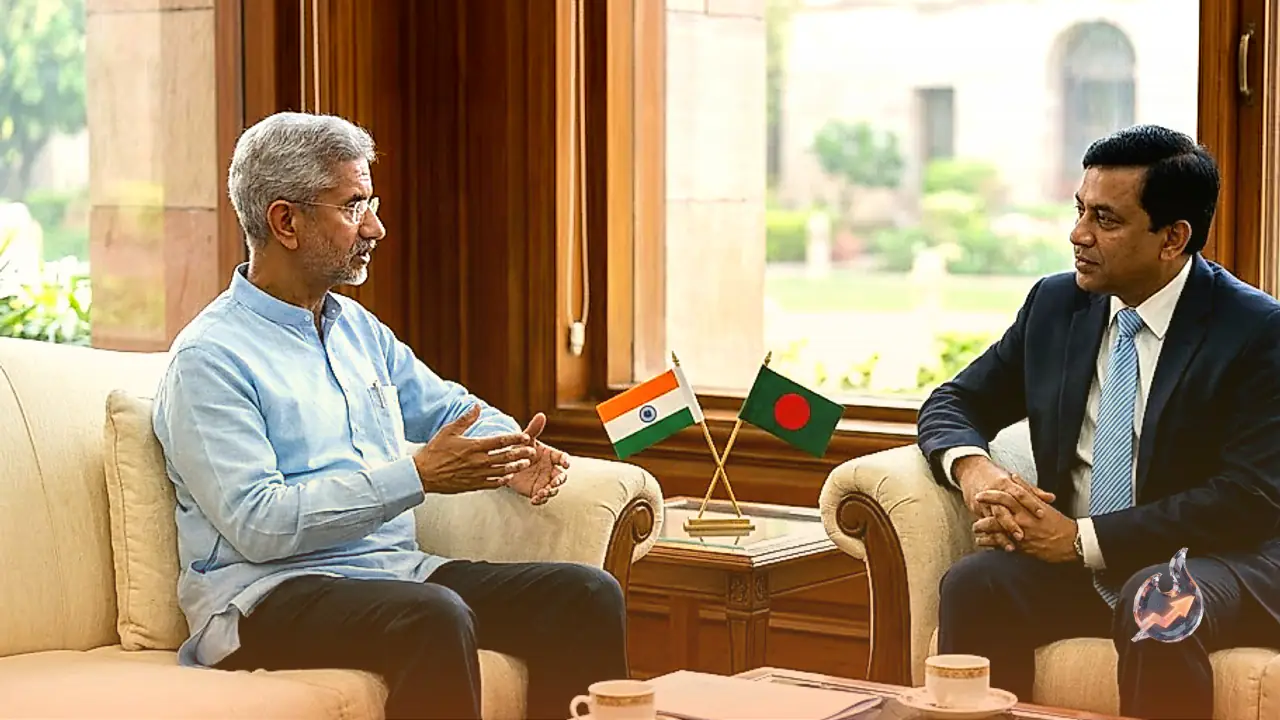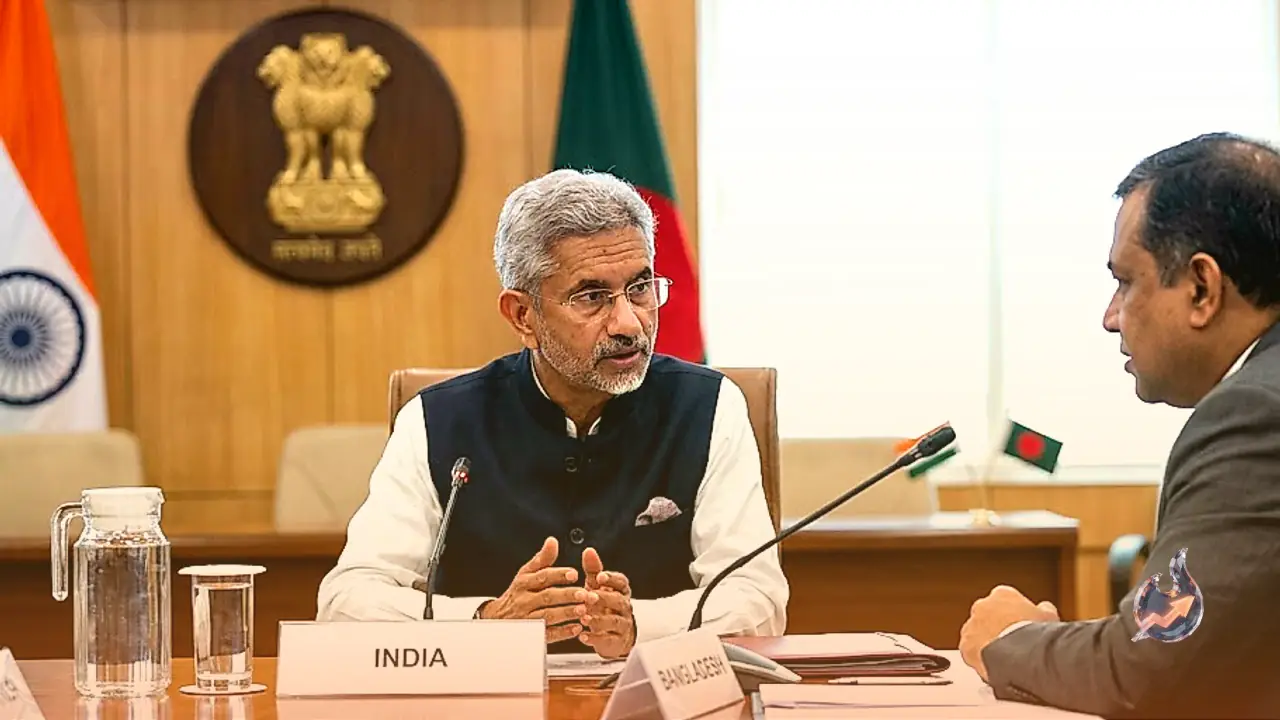





















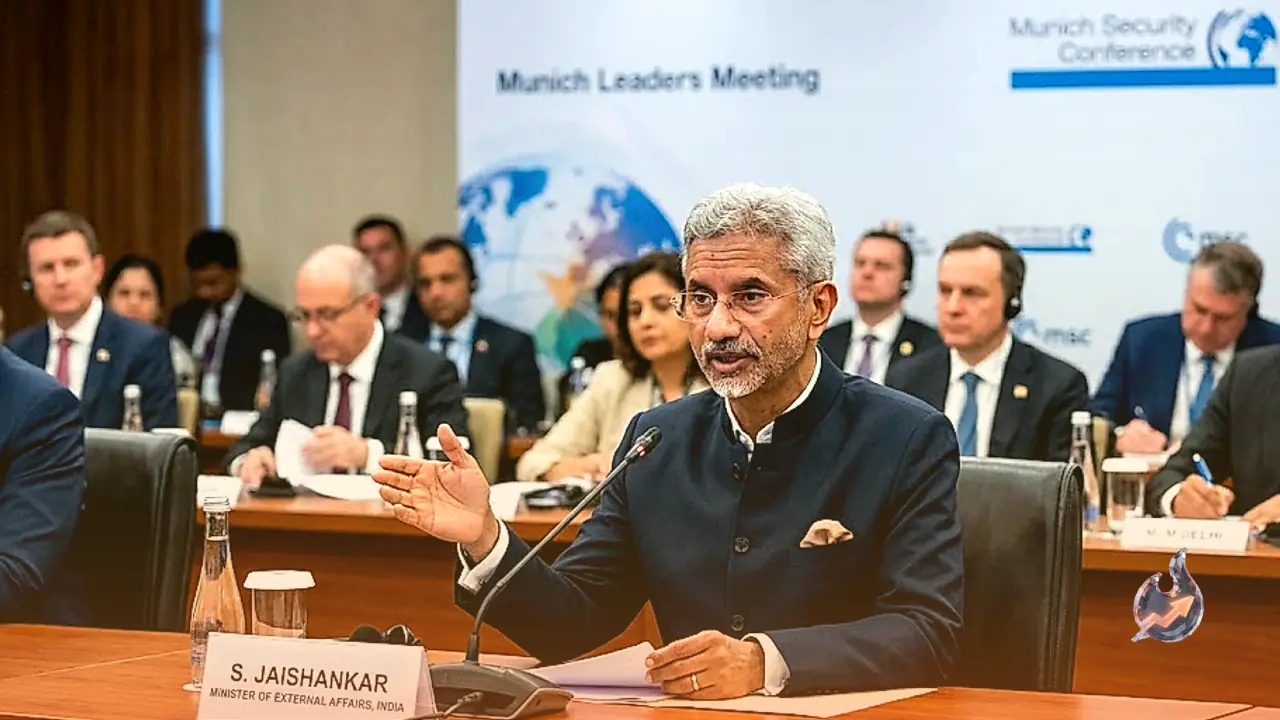

External Affairs Minister S. Jaishankar has delivered an incisive geopolitical assessment of the rapidly transforming international order, arguing that the global landscape is increasingly shaped by fundamental shifts in American diplomacy. Speaking in the national capital at the Munich Leaders Meeting, he underlined that this posture is neither an accident nor an enforced retreat, but a calculated stance intentionally chosen by the superpower.
Washington Deliberately Redefines Its Global Posture
Scrutinizing the trajectory of contemporary diplomacy, the minister pointed out that Washington has repositioned itself in ways that leave it noticeably more solitary than in past decades. By recalculating its strategic priorities, the superpower has disrupted conventional geopolitical balances, compelling governments across continents to re-evaluate their long-standing alliances and security assumptions.
Addressing international diplomats and strategic analysts in the room, the minister stated, “Nobody in this room would disagree that today's environment is largely defined by a major shift in the position of the United States.” He noted that this strategic repositioning reflects deliberate national choice rather than external pressure, effectively transforming the United States into a power that stands increasingly apart from traditional commitments.
China Leverages Its Unique Standing in World Politics
Moving to the second decisive pillar of the shifting geopolitical framework, S. Jaishankar addressed the assertive ascendancy of China. He highlighted how authorities in Beijing regard their country as an entirely exceptional entity on the world stage, an assessment that aligns closely with practical realities across several economic and technological domains.
Elaborating on this geopolitical reality, he said, “The second key factor of this landscape is undoubtedly the rise of China.” The foreign minister observed that Beijing's distinct self-image is not merely an internal narrative, but an observable condition reflected in its actual global leverage, presenting unique challenges for the international community.
Global Strategic Contests Extend Well Beyond Two Superpowers
Challenging the popular narrative that today's geopolitical tension is solely a bipolar friction between Washington and Beijing, the minister argued that strategic rivalries have broadened substantially. Across various regions, middle powers and developing nations are actively leveraging every available diplomatic, commercial, and technological advantage to advance their sovereign interests.
Reflecting on this aggressive landscape, he noted, “We are seeing very sharp competition.” He explained that what makes modern rivalry exceptionally volatile is its co-existence with deep economic and political interdependence. Rather than fostering harmony, interconnected supply chains and partnerships are frequently weaponized as nations vie for tactical dominance on multiple fronts simultaneously.
The Working Format of the Munich Leaders Meetings
The high-level discussions took place under the aegis of the Munich Security Conference, which conducts these specialized regional gatherings known as the Munich Leaders Meetings. Designed to tackle urgent foreign and defense policy dilemmas, each session brings together up to 80 elite policymakers, ministers, and geopolitical specialists from around the globe.
Organized once or twice each year across prominent world capitals, these closed-door deliberations are governed by Chatham House Rule. This strict confidentiality framework allows participants to bypass official diplomatic talking points and engage in candid, unfiltered debates regarding escalating international friction and evolving power dynamics.