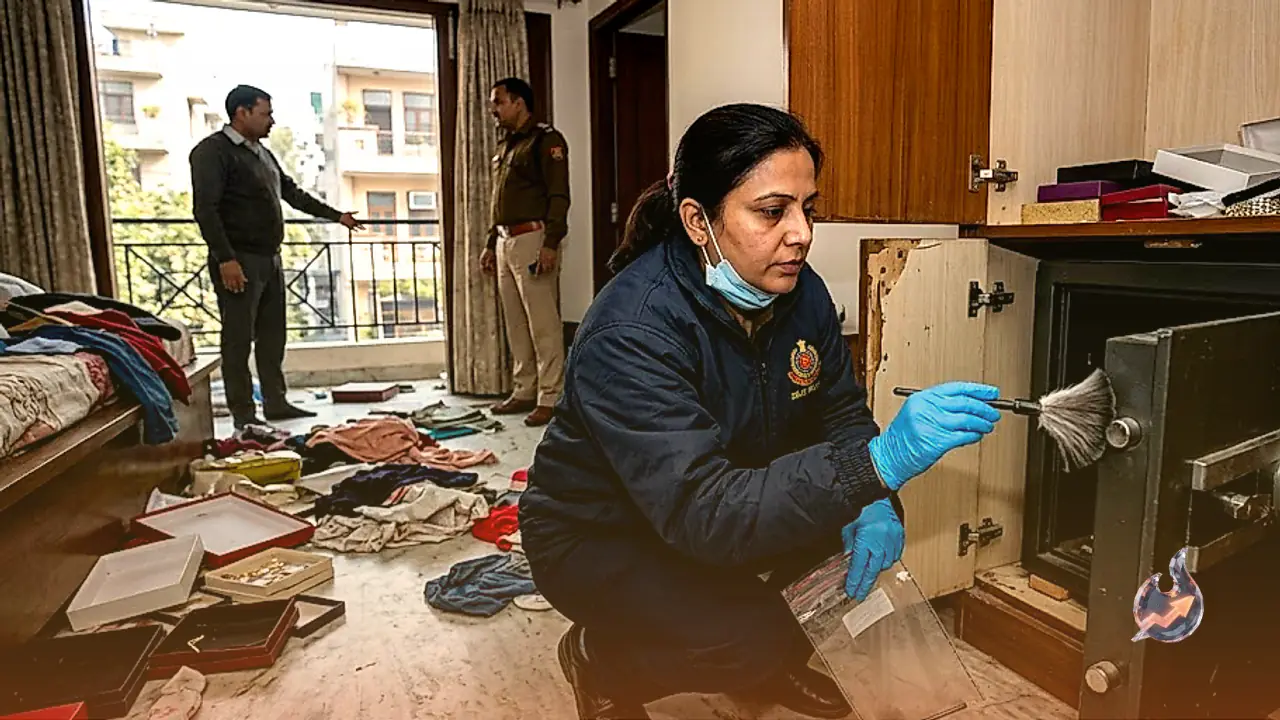






















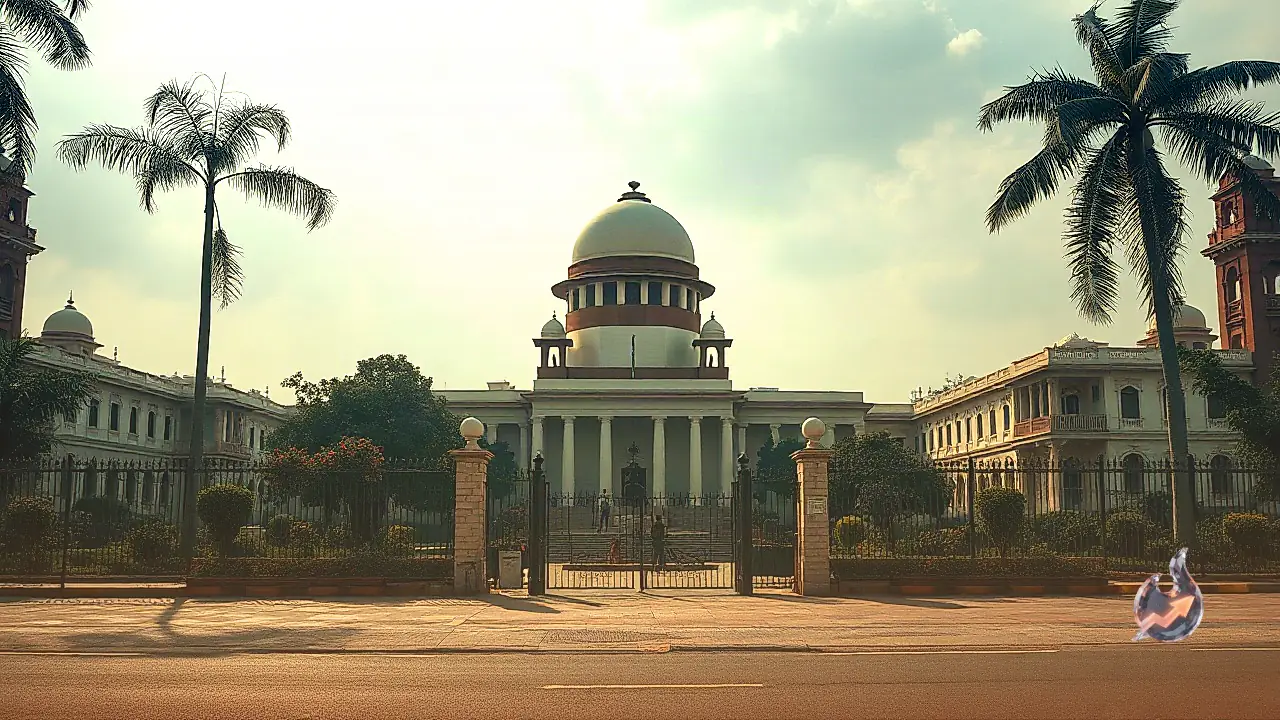

Taking a firm yet empathetic stance on family property disputes, the Supreme Court of India dismissed a son's appeal seeking rights over his parents' residence in Delhi. The bench not only upheld lower court verdicts directing the eviction of the son and daughter-in-law but also reminded the petitioner of fundamental moral and familial duties. The court emphasized that taking aging parents to court over self-acquired property and harassing them for ownership is legally untenable and morally wrong.
Supreme Court Bench Hearing and Severe Oral Remarks
The Special Leave Petition came up for hearing before a bench comprising Justice Satish Chandra Sharma and Justice NK Singh. During the proceedings, Justice Satish Chandra Sharma expressed deep dismay over the son's behavior towards his mother and father. Justice Sharma orally observed that instead of litigating against his mother, the son ought to go back to her, touch her feet, seek her blessings, and apologize sincerely for his actions.
Addressing the advocates present in the courtroom, Justice Sharma questioned whether it was acceptable for a son to treat his mother in such an aggressive manner over real estate. The judge stressed that the son needed to feel genuine remorse, express repentance, and obtain his mother's forgiveness. These oral remarks regarding filial duty and respect became the central highlight of the courtroom proceedings while the legal merits of the petition were scrutinized.
Genesis of the Dispute in Delhi
The subject matter of the dispute involves a residential property situated in Delhi. The parents were the sole and absolute owners of the premises. Out of natural love and affection, they allowed their son and daughter-in-law to reside on the first floor of the house without charging any rent or fees. Legally, the arrangement was purely permissive and conferred no ownership, title, or permanent tenancy rights upon the son and his wife.
Over time, relationships deteriorated significantly. The parents alleged that the son and daughter-in-law began misbehaving with them and subjected them to constant harassment. According to the parents, the son put relentless pressure on them to transfer the property title into his name. As the harassment escalated, the parents decided to sever all legal and social ties with the couple.
Public Notice, Police Complaint, and Revocation of License
Faced with growing intimidation, the parents took decisive legal measures to protect their home. They issued a public notice in leading daily newspapers disowning their son and daughter-in-law and terminating all family relationships. Concurrently, the parents filed a formal police complaint, resulting in an FIR against the son regarding harassment and alleged attempt to usurp property using fabricated documents.
The parents also served a formal legal notice revoking the permission granted to the son and daughter-in-law to reside on the first floor, instructing them to vacate the premises immediately. When the son refused to leave and asserted ownership claims based on disputed documents, the parents instituted a civil lawsuit for recovery of possession, permanent injunction, and damages.
Trial Court Findings on Property Ownership
The trial court conducted a detailed examination of the evidence, title deeds, and legal submissions presented by both sides. Ruling entirely in favor of the parents, the trial court declared that the parents were the exclusive legal owners of the property. The court held that the son and his wife were mere permissive occupants whose license to stay had been validly revoked by the rightful owners.
The trial court concluded that after the termination of permission, the stay of the son and daughter-in-law on the first floor became unauthorized. Consequently, the court ordered the son and his wife to vacate the first floor and hand over peaceful possession back to the parents.
Delhi High Court Affirmation and Supreme Court Dismissal
Aggrieved by the trial court's order, the son filed an appeal before the Delhi High Court. On 17 April, the Delhi High Court evaluated the lower court judgment and found no legal flaw in it. The High Court affirmed the findings of the trial court on 17 April and dismissed the son's appeal, maintaining that adult children have no automatic right to occupy their parents' property against their wishes.
The son subsequently approached the Supreme Court of India via a Special Leave Petition challenging the Delhi High Court order of 17 April. The Supreme Court bench of Justice Satish Chandra Sharma and Justice NK Singh declined to interfere with the concurrent findings of the trial court and the High Court. By dismissing the petition, the Supreme Court brought the legal battle to a close, enforcing the parents' absolute right over their property while delivering a stern reminder on moral values and parental respect.