
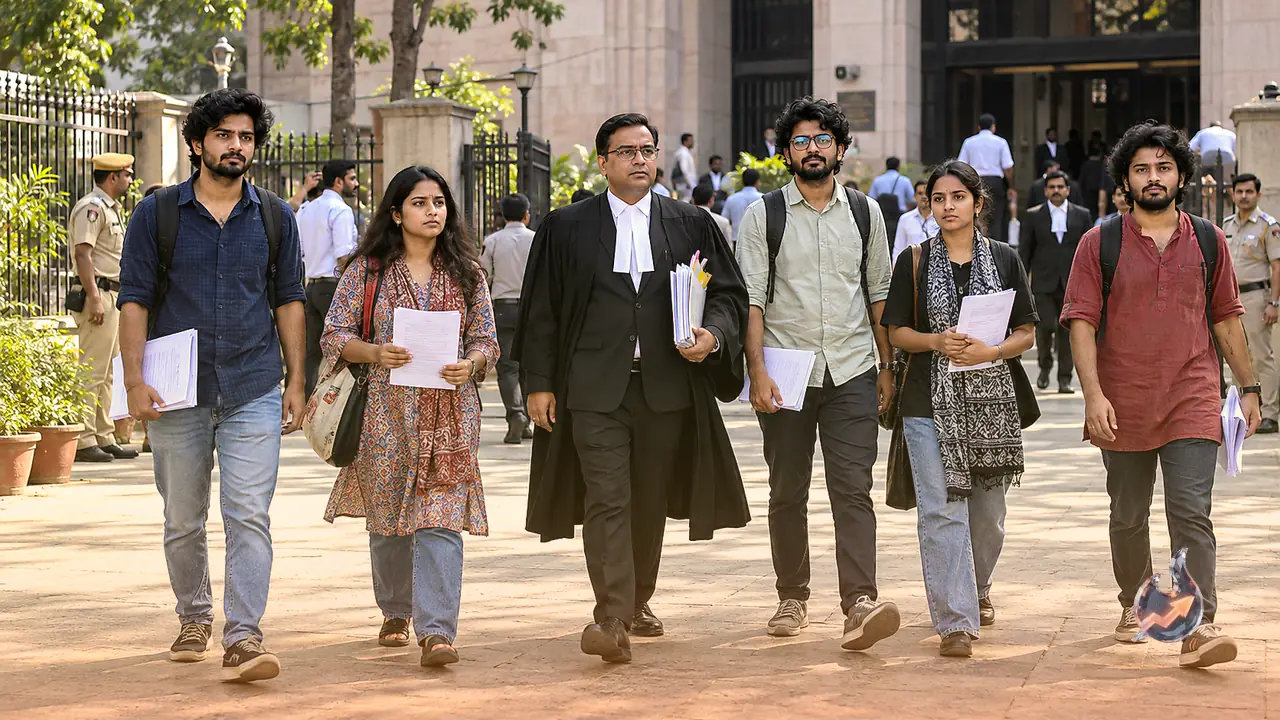
















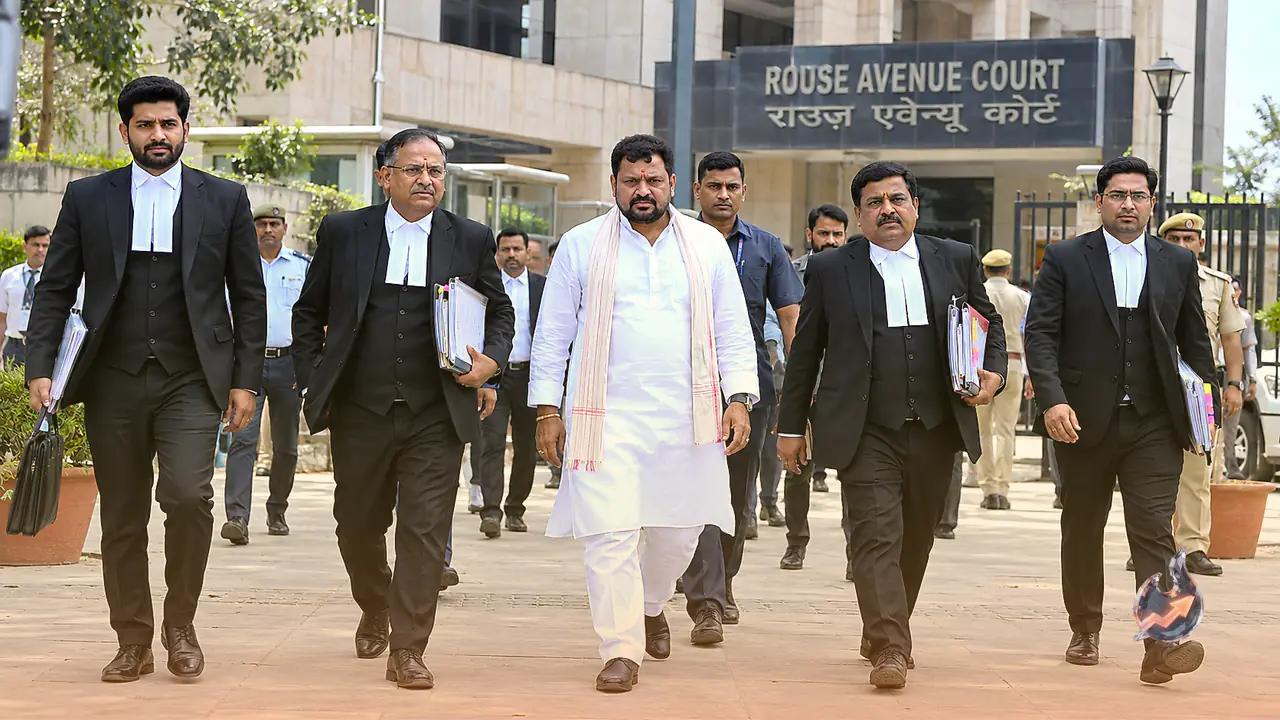

In a significant development in the ongoing legal proceedings surrounding the sexual harassment allegations by female wrestlers, Delhi's Rouse Avenue Court has issued a final ultimatum to former Wrestling Federation of India president Brij Bhushan Sharan Singh. The court directed him to file his formal written response to an appeal that challenges his acquittal in the case. During the hearing, counsel representing the accused appeared via video conferencing and requested a one-week extension to submit the reply. Granting the request, the sessions court firmly stated that no further time would be granted beyond the next scheduled hearing on November 20.
Court Directives and Identity Protection Measures
The latest directive follows notice issued on September 28 by the Rouse Avenue Court to Brij Bhushan Sharan Singh and co-accused Vinod Tomar, requiring them to present their stance on the appeal. Additional Public Prosecutor Manish Rawat represented the state during these proceedings. To ensure the complete confidentiality and safety of the complainants, the court has mandated strict identity protection protocols. According to the judicial directions, all original affidavits and associated court orders containing the victims' personal details must be secured in a sealed cover. Furthermore, the appellants were instructed to file a redacted version of the petition from which all references to the identity of the complainants have been removed.
Arguments Challenging the Acquittal Order
The appeal filed by the female wrestlers directly challenges the August 3 ruling delivered by Additional Chief Judicial Magistrate Ashu Panwar, which had acquitted both Brij Bhushan Sharan Singh and former WFI secretary Vinod Tomar of all charges. Challenging the verdict, the petitioners argued that the magistrate court's order is legally unsustainable and unsustainable in law. The appeal contends that the lower court engaged in a flawed and selective interpretation of the material evidence available on record, arriving at conclusions rooted in speculation rather than established judicial principles.
Questioning Stereotypical Assumptions on Victim Behavior
A central argument in the appeal highlights that the trial court's acquittal relied heavily on outdated and stereotypical notions regarding the expected behavior of women facing sexual harassment and molestation. The petitioners asserted that instead of objectively evaluating the evidence within the specific context and high-pressure circumstances faced by the victims, the court judged their responses against archaic expectations. The case involves allegations of sexual harassment reported to have occurred both within India and at international locations during Brij Bhushan's tenure as WFI chief, with trial proceedings originally conducted in camera.
Statutory Provisions and Background of the Case
The legal battle originates from complaints lodged by prominent female wrestlers against the leadership of the Wrestling Federation of India. Following its investigation, Delhi Police filed charges under several provisions of the Indian Penal Code, including Section 354, Section 354D, Section 354A, Section 506(1), and Section 109. Following the in-camera trial that led to the ACJM court's acquittal order, the complainants sought recourse before the higher forum. The upcoming hearing on November 20 remains crucial as the court reviews whether to admit the appeal for detailed re-examination.