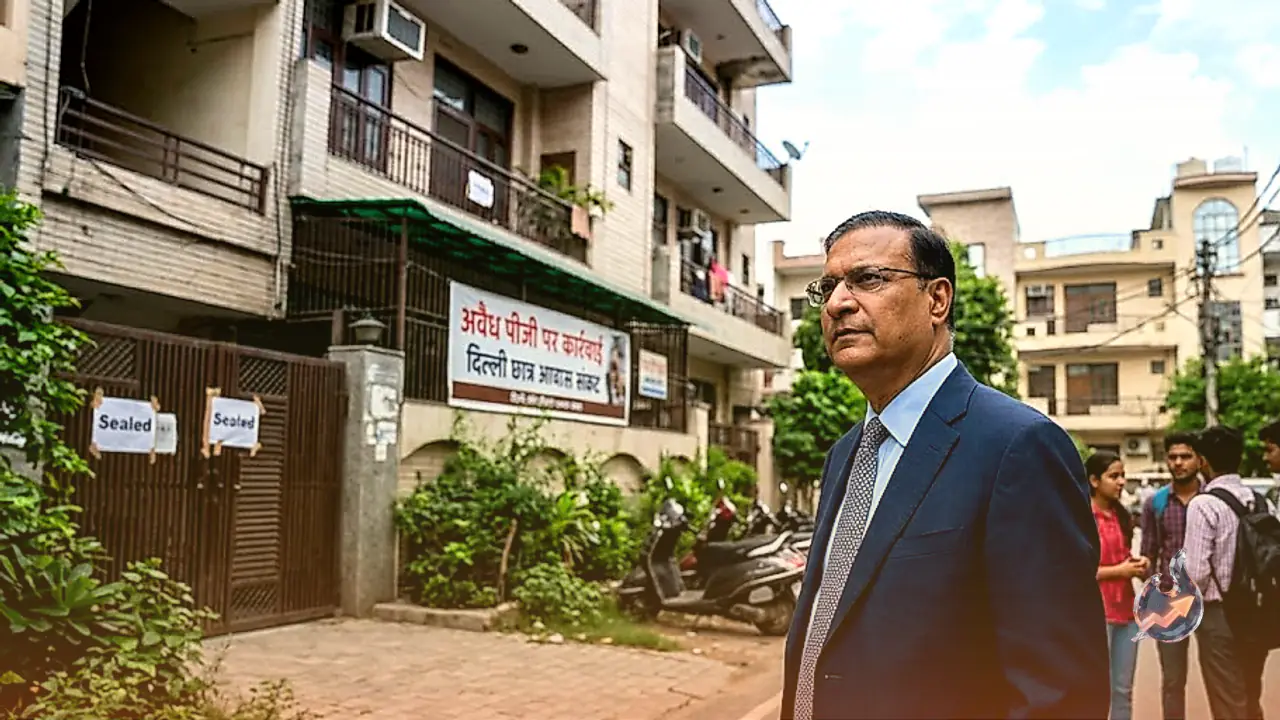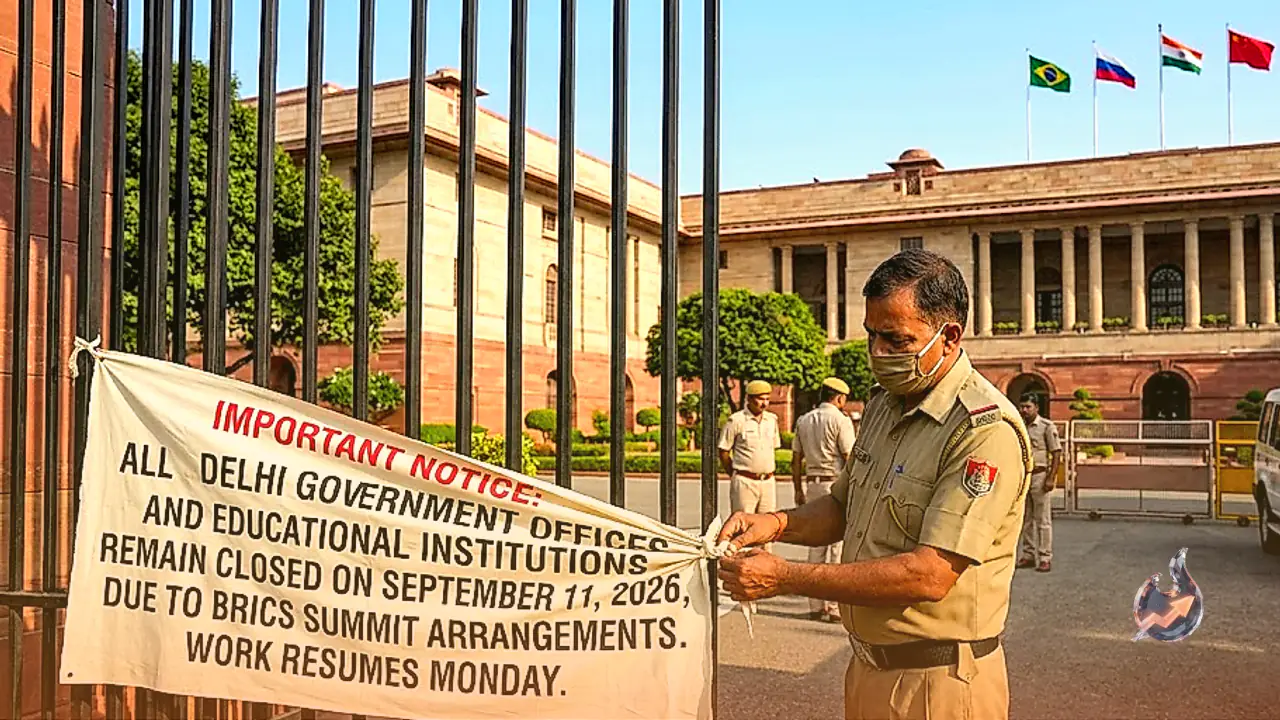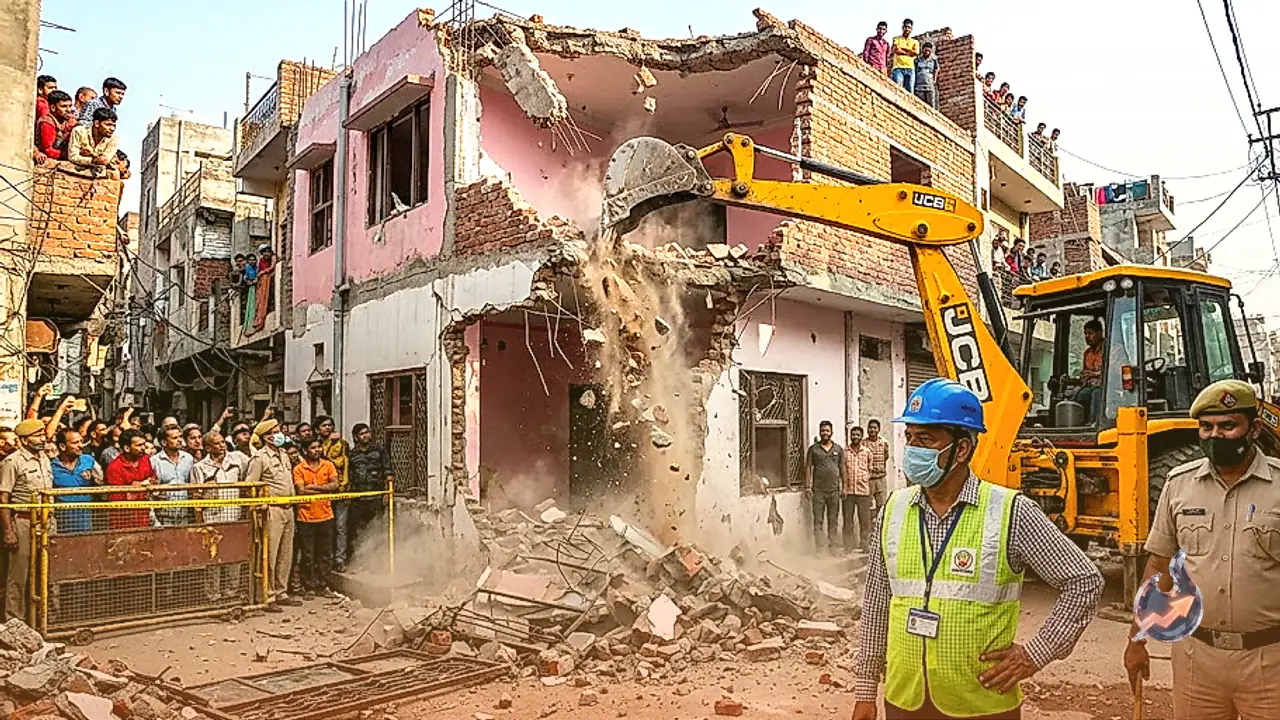

























The sudden shutdown of seventeen Delhi Metro stations during recent demonstrations has drawn sharp scrutiny from the Supreme Court, where a special bench questioned the administrative rationale behind paralyzing public transit. The apex court made it clear that while courts typically defer to executive measures meant for maintaining law and order, judicial review becomes imperative when authorities exercise their powers in an excessive and disproportionate manner. Alongside examining the executive decision to close the transit hubs, the bench issued formal notices and ordered comprehensive security measures to protect a fourteen-year-old girl affected by the unrest.
Administrative SOPs and Overreach Questioned
During the proceedings, the bench emphasized that standard operating procedures and administrative protocols often serve as a veneer when powers are applied beyond reasonable bounds. When the daily commute of the general public is completely disrupted by sudden blanket closures, the disruption points to a disproportionate use of authority. The court noted that routine deference to executive discretion ends when restrictions overstep the mark, prompting judicial intervention to safeguard citizens' rights and ensure accountability from the administration regarding the transit lockdowns.
Strict Action Ordered in Minor Victim Case
The proceedings also addressed serious allegations involving a fourteen-year-old girl who was reportedly harassed and whose home faced vandalism during the protests. Expressing deep concern over these developments, the Supreme Court directed the Solicitor General to ensure prompt and appropriate legal action based on the filed First Information Report, while guaranteeing absolute protection for the minor. Furthermore, the bench demanded detailed status reports from both the Delhi and Uttar Pradesh governments regarding the measures taken in response to the incident.
Protecting Vulnerable Witnesses and Broadcast Concerns
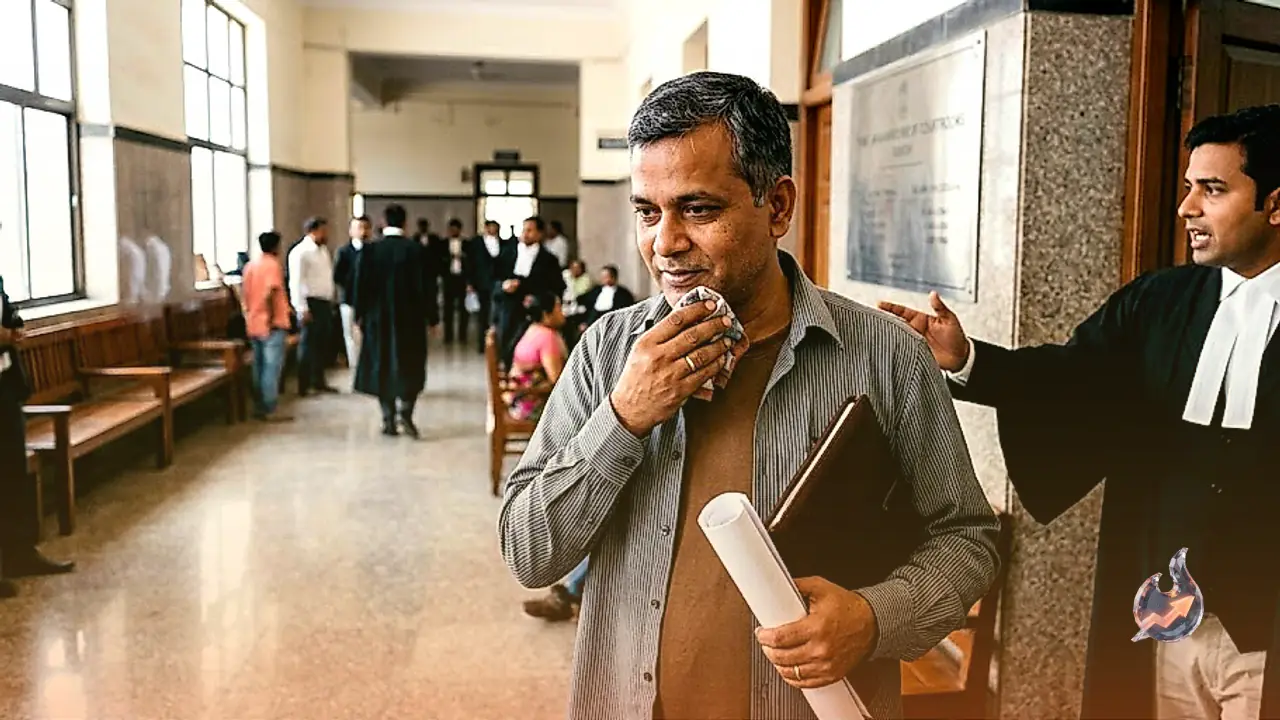
A notable moment occurred when a sensitive witness appeared personally inside the courtroom while the proceedings were being live-streamed. Recognizing the immediate risks associated with public broadcast, the bench intervened to prevent any exposure that could compromise the individual's safety. The court observed that critical information must be gathered without inadvertently exposing the identities of informants who might face severe repercussions due to political or partisan pressures that often push vulnerable individuals to the margins.
Dedicated Helplines and Technology for Anonymity
To shield witnesses from intimidation or hardship, the bench issued specific directives aimed at creating a secure communication framework. The court instructed that the appointed committee must issue a public notice establishing a dedicated helpline number so that individuals unable to appear in person can still come forward safely. Citing established guidelines for vulnerable witnesses, suggestions involving secure technology were also highlighted to record testimonies without compromising anonymity, ensuring that justice reaches those who feel cut off from formal nodal officers.