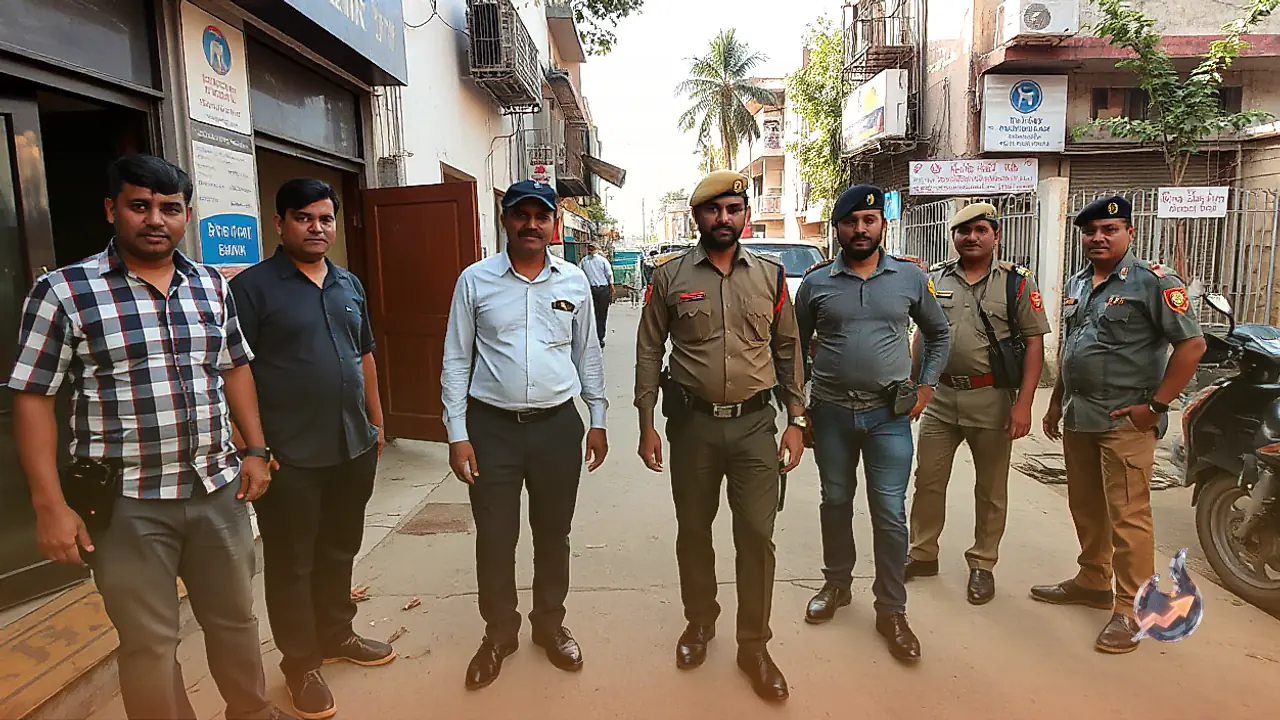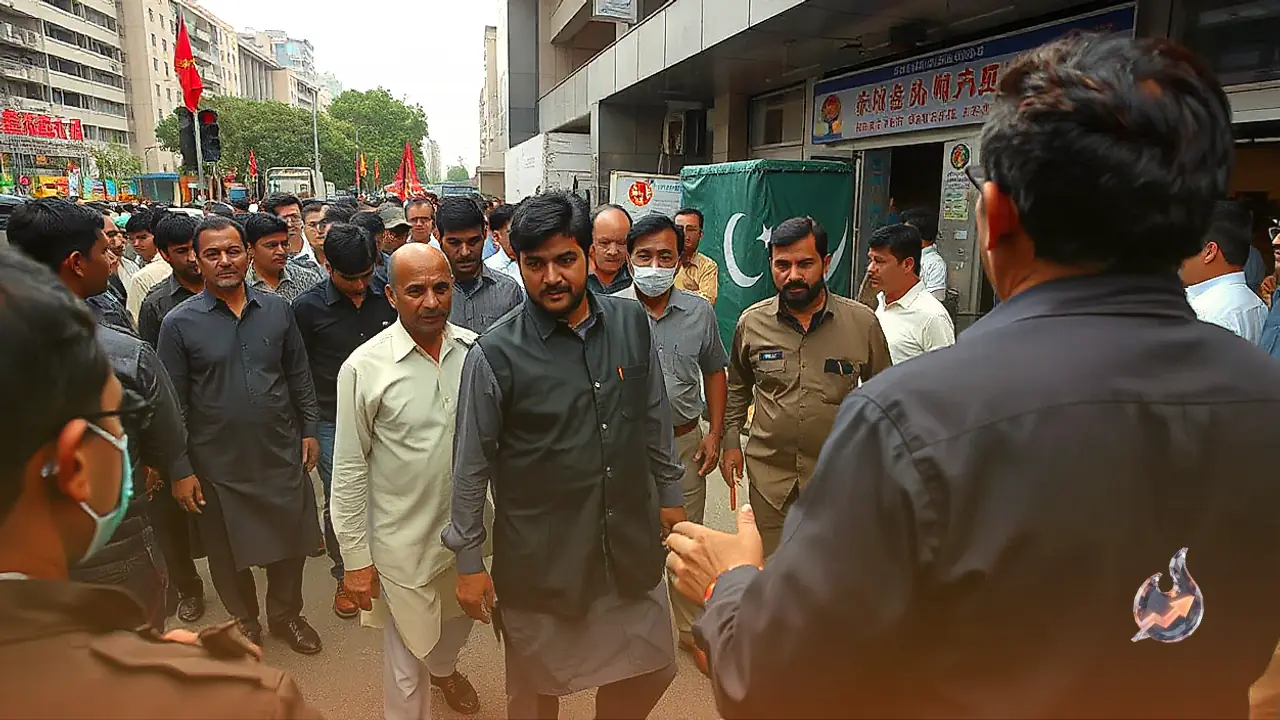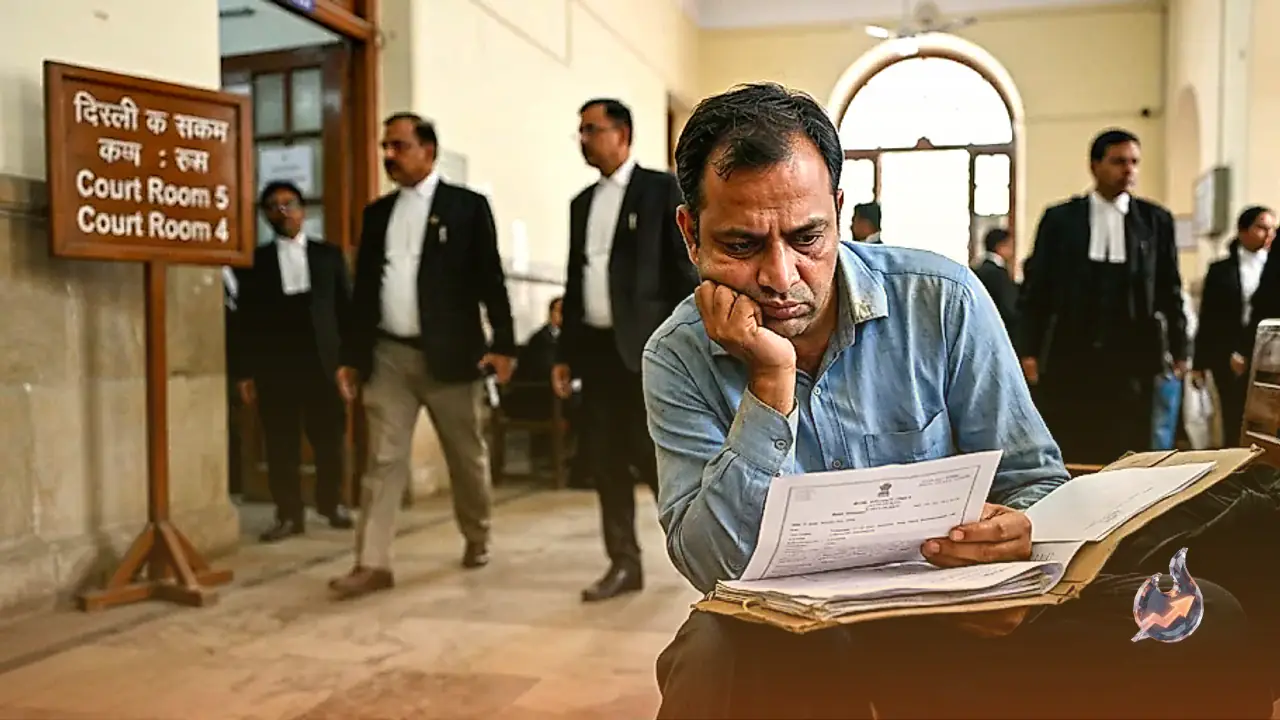

The 6th Anti-Terror Conference organised by the National Investigation Agency concluded at DRDO Bhawan in New Delhi. The two-day national summit, held on November 19 and 20, brought together top security leadership, including 40 Directors General of Police and 230 senior representatives from central and state law enforcement agencies. Addressing the valedictory session, Union Home Minister Amit Shah issued a stern warning against criminals operating from foreign soil, assuring that every fugitive seeking refuge abroad would be brought back to face Indian law. He commended joint inter-agency operations for successfully repatriating 303 fugitives from 36 countries.
Comprehensive Strategy to Neutralise Terror Ecosystems and Funding Channels
Addressing security officials, the Home Minister emphasized that counter-terrorism efforts must move beyond neutralising active operatives to completely dismantling their supporting ecosystem. He called for simultaneous action against cross-border handlers, financial networks, organized crime syndicates, and local logistical facilitators. To strengthen ground-level response mechanisms, he urged states to bolster their Anti-Terror Squads (ATS) and connect every local police station to the nationwide Anti-Terror Grid.
Breaking the nexus between terrorism, organized crime, and narcotics trafficking was highlighted as a top national security goal. The Home Minister instructed investigative agencies to conduct parallel financial investigations alongside primary criminal probes in all terror cases. Given the rapid adoption of modern technology by extremist groups, the establishment of dedicated cyber expert units within every state ATS was strongly advocated.
Public Protection via 'Pushti' Portal and 50-Step Investigation Standard
To shield citizens from evolving cyber frauds and elevate the standard of criminal prosecutions, major investigative tools were launched at the summit. The Home Minister introduced the 'Pushti' portal, an official verification platform designed to allow citizens to check the authenticity of any notice issued under the agency's name. This initiative directly addresses the rise of 'digital arrest' scams, where cyber fraudsters impersonate central law enforcement officers to extort money from unsuspecting individuals.
Furthermore, an investigative manual titled 'Fail-Safe Investigation' was released to standardize evidence collection and courtroom presentation. The manual outlines a comprehensive 50-step checklist to eliminate procedural, technical, and legal errors during probes, ensuring higher conviction rates. Markings of infrastructure expansion were also highlighted as the foundation stone was laid for a new NIA office complex in Chandigarh, along with the inauguration of a residential complex in Maidangarhi, Delhi.
Operationalising the 'Prahaar' Counter-Terror Policy Across States
The operational framework of the 'Prahaar' counter-terrorism policy formed a core focus of the deliberations. Union Home Secretary Govind Mohan stressed that the policy must be seamlessly executed down to the district and police station levels. He urged state police departments to adopt a standardized model ATS structure, enhance specialized training, and build robust forensic capabilities.
The Home Secretary highlighted the effective deployment of updated dossiers and extradition portals integrated with Interpol, emphasizing tight coordination between the Ministry of Home Affairs, Ministry of External Affairs, and state agencies. The summit also reviewed significant achievements in internal security, notably the near-total suppression of Left-Wing Extremism and the drastic reduction in local terror recruitment across the Kashmir valley.
Deliberations on Modern Threats: Drones, AI, Crypto, and Digital Forensics
Over the two-day event, agency leaders analyzed emerging threats confronting national security. Detailed discussions took place regarding cross-border smuggling using drones, trade-based money laundering, hawala channels, online radicalisation, and lone-wolf attack vectors. Security chiefs agreed to integrate artificial intelligence, big data analytics, and advanced digital forensics into daily operations to counter the misuse of encrypted platforms and cryptocurrencies by terror syndicates.