




















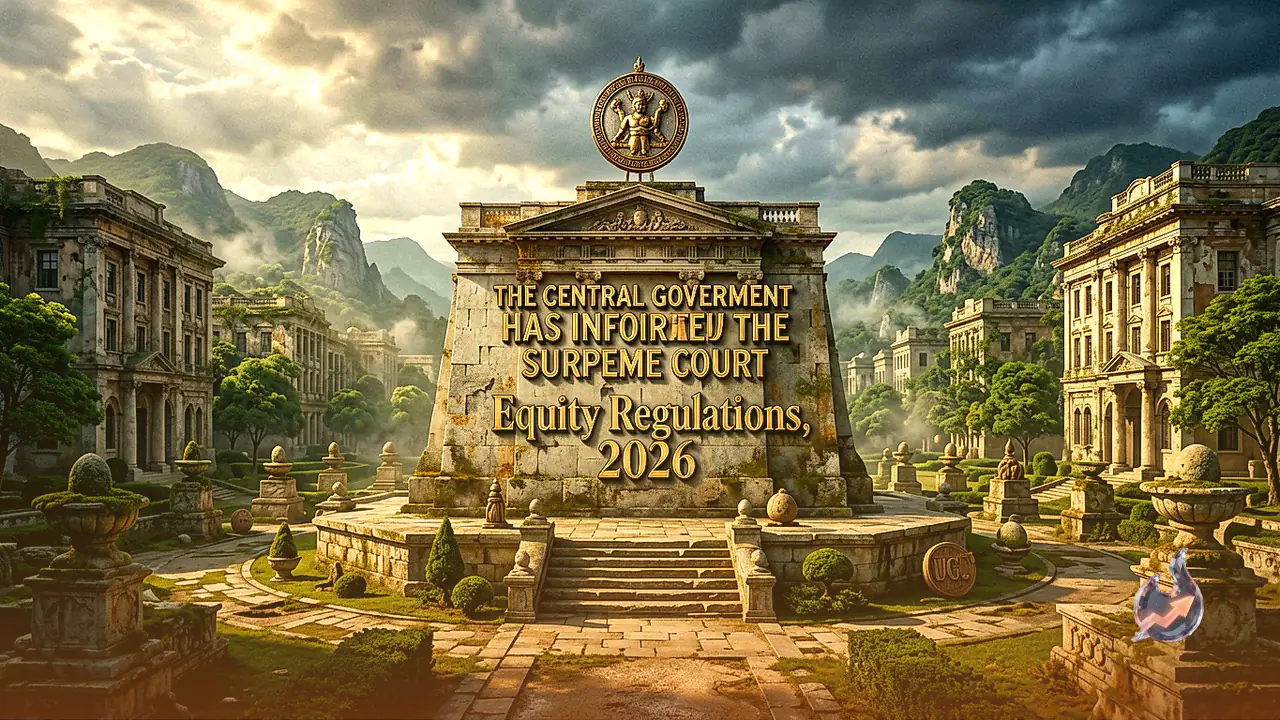

In a significant legal development regarding higher education policy, the Central Government informed the Supreme Court that it is actively reconsidering the University Grants Commission's (UGC) controversial 'Equity Regulations, 2026'. The guidelines, designed to promote equity across higher educational institutions in India, had sparked widespread protests across the country, prompting the apex court to previously place a stay on their implementation. The government clarified its stance during a court session on Thursday.
Government Submissions and Judicial Proceeding
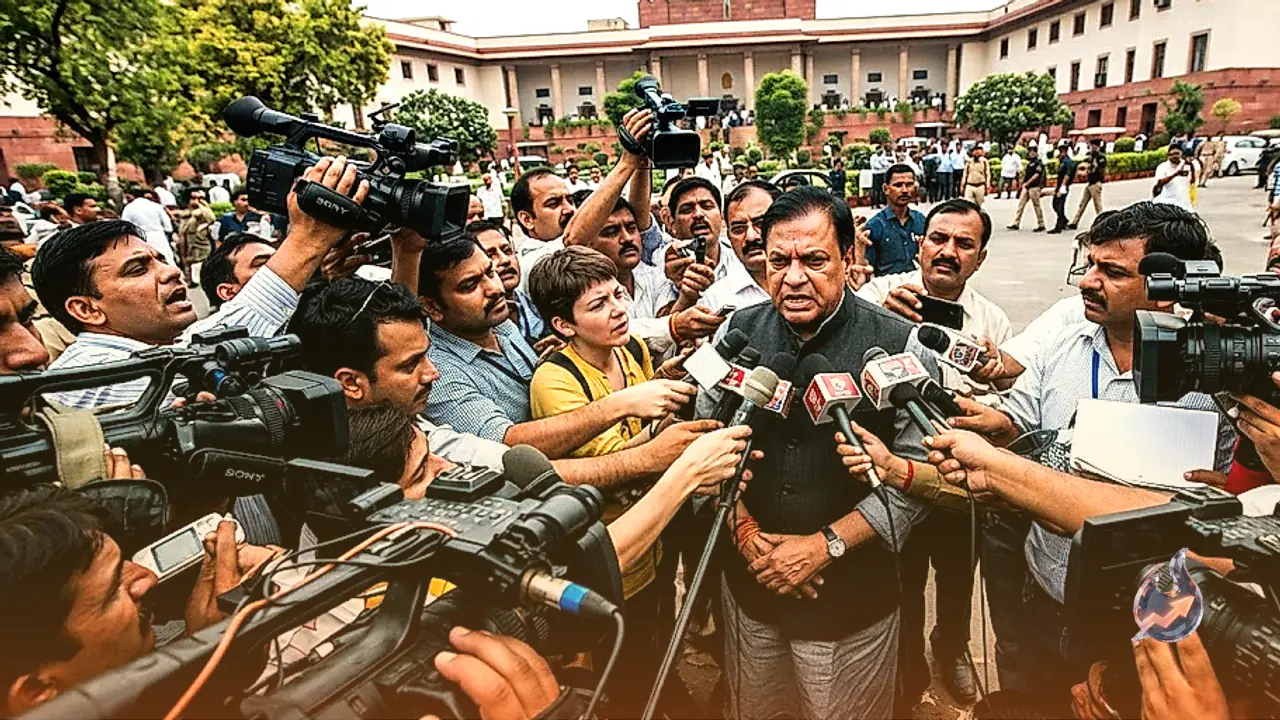
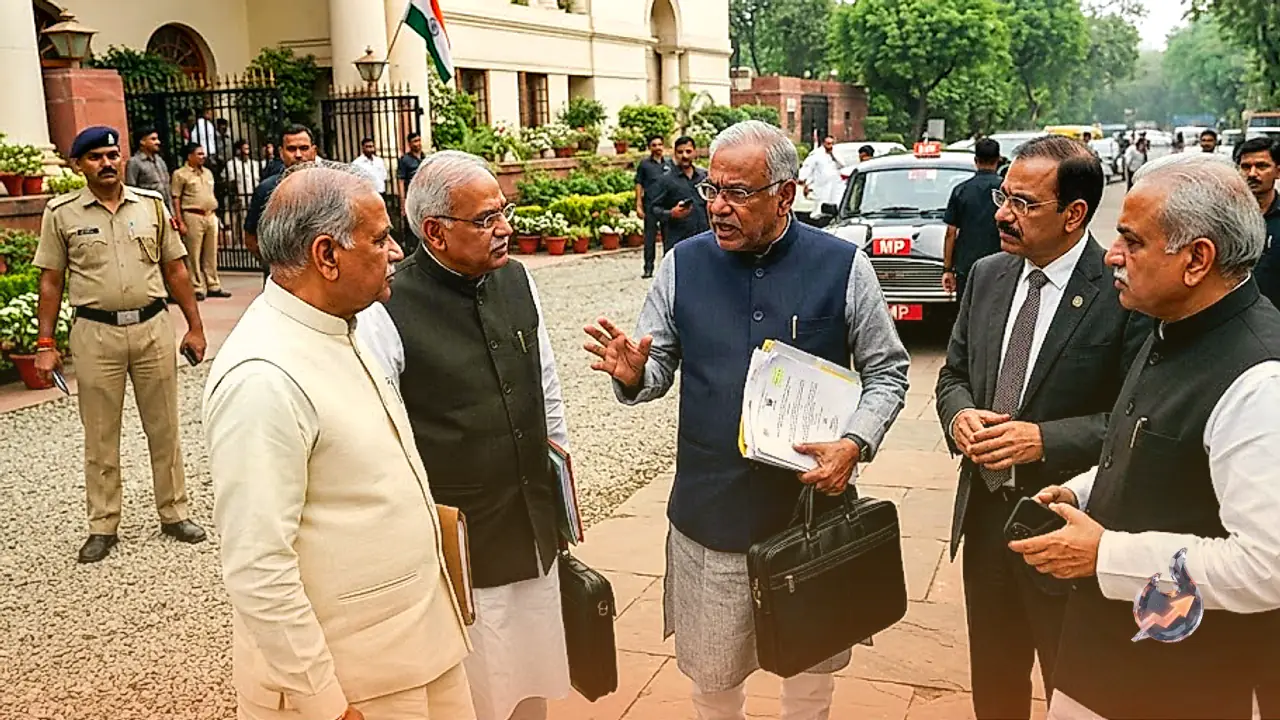
Appearing before a Supreme Court bench headed by Chief Justice of India (CJI) Surya Kant, Solicitor General Tushar Mehta represented both the Central Government and the UGC. Outlining the official position, the Solicitor General stated, "I am not saying what the decision will be, but we are reconsidering it." Details regarding the hearing were also shared on social media, confirming that an administrative review of the entire regulatory framework is currently underway.
Court Mandates Timeline for Counter-Affidavit and Rejoinder
Taking note of the submissions, the Supreme Court granted a period of four weeks to the UGC to file its response. The court directed the commission to submit a comprehensive counter-affidavit addressing all specific grievances, legal arguments, and structural issues raised by the various petitioners challenging the regulations. Furthermore, the bench ordered that copies of this affidavit must be provided to the petitioners, who will then have two weeks to submit their formal rejoinder in response to the UGC's filings.
Genesis of the Controversy and Core Legal Objections
The origin of the legal dispute traces back to January 2026, when the UGC introduced the 'Promoting Equity in Higher Educational Institutions Regulations, 2026'. The announcement led to massive objections from general category communities and upper-caste groups nationwide, culminating in multiple petitions being filed before the Supreme Court.
Petitioners argued that the new regulatory framework adopted a narrow definition of caste-based discrimination, effectively leaving students belonging to the general or unreserved categories without protection against institutional bias or harassment. Concerns were also raised regarding the vague scope of the guidelines and their potential for systemic misuse. Recognizing the gravity of these concerns, the Supreme Court had earlier issued an order putting the regulations on hold pending further review.