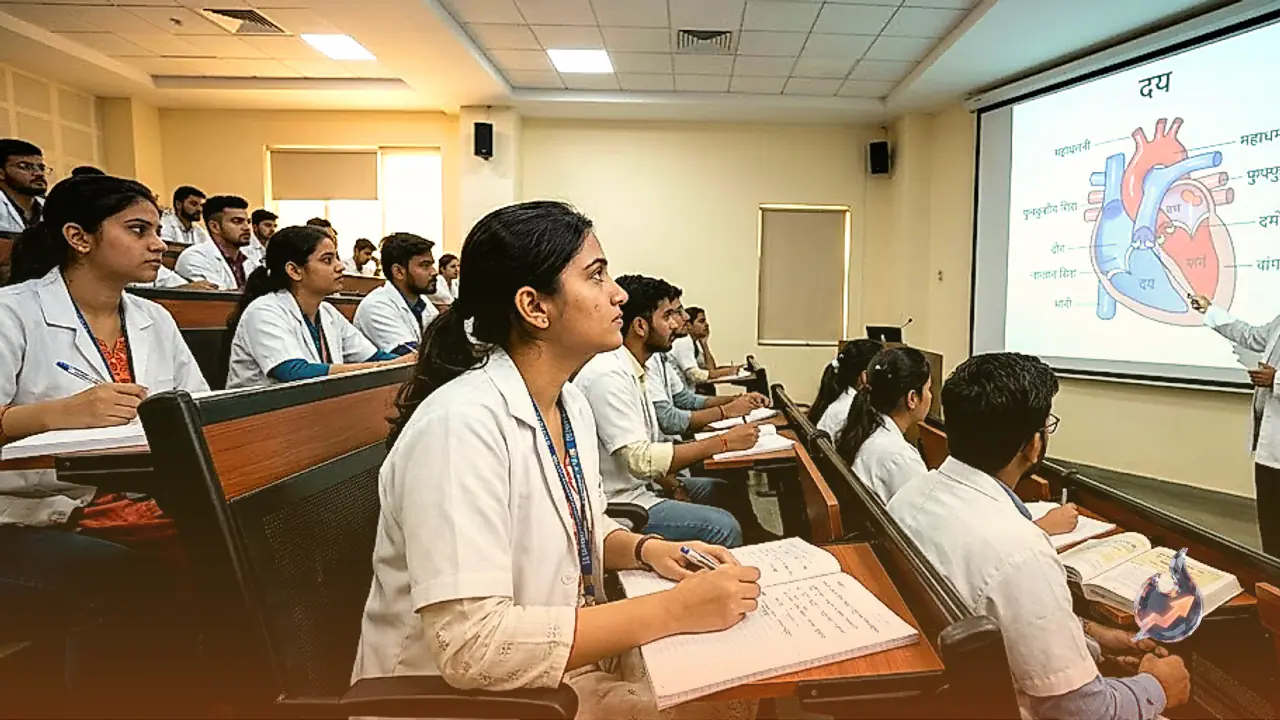























A fresh controversy over campus decorum has erupted at Delhi University's prestigious St. Stephen's College with the start of the new academic session. The college administration has imposed a restriction banning students from wearing shorts in key campus facilities. Under the new guidelines, students are no longer permitted to enter classrooms, the library, the assembly hall, the dining hall, or the chapel in shorts. The decision immediately triggered strong protests from a section of students who condemned the move as an unwarranted intrusion into personal freedom and an act of moral policing. Conversely, the college administration maintains that the rule is necessary to uphold institutional dignity, decorum, and discipline. This clash has raised a fundamental question: is discipline truly defined by a person's choice of clothing, or is it determined by their mindset, behavior, and sense of responsibility?
The Administration's Perspective and Institutional Tradition
St. Stephen's College has long maintained a distinct historical identity and organizational culture. College guidelines have historically emphasized dignified and formal attire across the campus. The management contends that an academic environment requires a respectful and professional atmosphere to foster serious learning. Similar attire regulations are enforced by numerous schools and universities worldwide. Proponents of dress codes argue that uniform guidelines promote a feeling of equality among students, minimize unnecessary distractions during academic hours, and preserve the unique heritage of the institution.
Student Arguments for Personal Choice and Adult Autonomy
In contrast, protesting students highlight that the majority of college undergraduates are adults aged 18 and above. At this stage of life, choosing what to wear is a matter of personal liberty and individual autonomy. Student representatives argue that if an individual attends classes punctually, performs well academically, and adheres to all institutional rules, questioning their character or discipline solely based on their clothing is unjustified. To register their protest against the restriction, several students chose to wear shorts to campus as a symbolic demonstration of their stance.
Attire vs Character: Redefining Discipline in the Modern Era
Education experts and social observers frequently note that evaluating an individual's capability, seriousness, or character based on their outfit is an outdated approach. Even in global corporate environments, companies are increasingly shifting away from strict formal dress codes in favor of smart casual workplace cultures. The world is gradually adopting the perspective that performance, professional output, and personal conduct matter far more than rigid clothing requirements.
The Positive Role of an Open Campus Culture
Colleges serve not only as learning centers for academic curricula but also as crucial spaces for holistic personality development. An open campus culture grants students the freedom to express their identity, thoughts, and individuality without undue constraint. Learning in an environment free from unnecessary pressure builds self-confidence and prepares young adults to navigate real-world challenges effectively.
Furthermore, an inclusive atmosphere actively supports diversity. Students arriving from diverse geographical regions, linguistic backgrounds, and socio-economic traditions feel welcomed and comfortable with their identity. Experts emphasize that an open, trust-based environment fosters creativity, critical thinking, and innovation, teaching students to make responsible decisions rather than merely obeying rigid mandates.
Challenges of Unlimited Freedom and the Need for Balance
Nevertheless, an open culture should not imply an absence of structure. Establishing clear boundaries remains essential for maintaining safety, mutual respect, and an effective academic environment. Without transparent guidelines, disciplinary standards can become blurred, leading to frequent friction between students and administrators. Some educators express concern that an overly informal setting might compromise academic seriousness. Additionally, the lack of a dress code can sometimes generate peer pressure regarding expensive fashion brands, creating discomfort for students from lower-income backgrounds. Furthermore, developing a professional dress sense remains important for official events, seminars, and career placements. Consequently, educational experts conclude that the ideal framework is one that respects individual choice while preserving institutional dignity through clear, balanced guidelines.