



















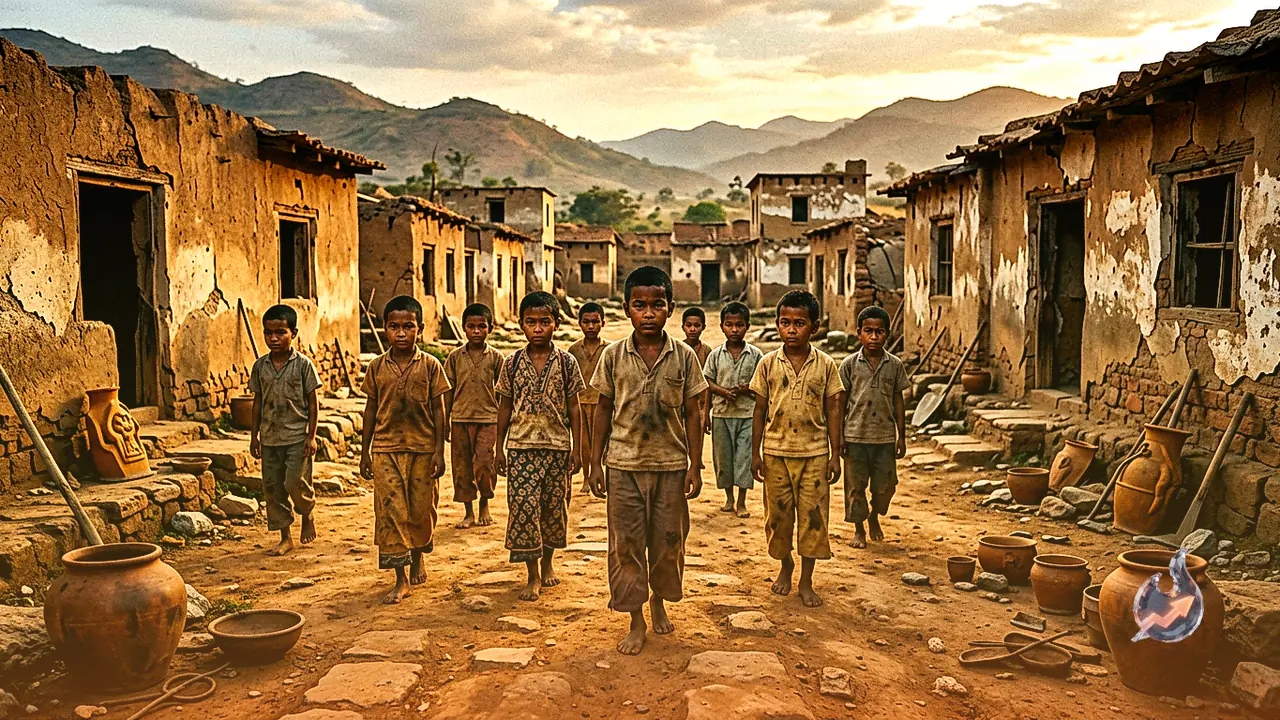

While nationwide efforts continue to modernize and digitize primary education, several rural schools in remote pockets present a contrasting reality of infrastructure shortages and hardship. In Mau district of Uttar Pradesh, a primary school serves as a poignant example where young children pursue learning under demanding conditions. The students attending this institution come predominantly from economically marginalized Dalit households, relying on the education and mid-day meals provided by the school as their primary pathway toward a brighter future.
Determination for Education Amid Severe Resource Shortages
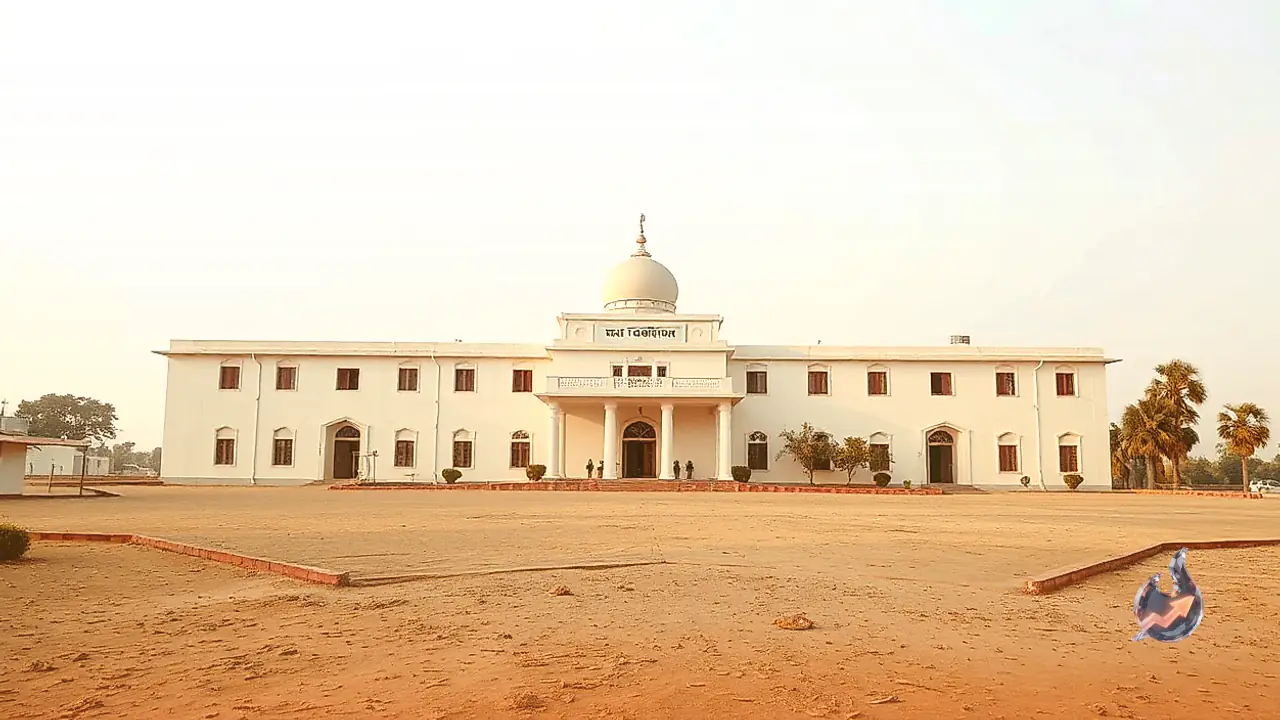
The conditions at Harijan Mishrit Primary School, located in Khaira Devara Dubari within the Madhuban tehsil area of Mau district, remain challenging. Lacking basic classroom furniture, young students are compelled to sit on jute mats spread across the floor during lessons. A young girl studying at the school shared that her family belongs to a Dalit community facing severe financial constraints. Due to their limited earnings, enrolling in a private or better equipped school remains out of reach. Despite these hurdles, she holds a firm dream of acquiring a quality education to eventually lift her family out of poverty and overcome social disadvantages.
Handmade Sack Bags and the Daily Struggle of Poverty
Another student at the institution highlighted similar struggles arising from family hardship. Due to financial weakness, purchasing a standard school uniform or a proper school bag was difficult. Even with available government assistance, everyday requirements often fell short. To ensure her education did not stop, the student's mother hand-stitched a school bag using a woven plastic sack at home. Carrying her notebooks in this makeshift bag, the girl attends classes regularly. She expressed that while better facilities in advanced schools would be ideal, her current focus remains entirely on gaining whatever knowledge is available to her.
Dilapidated School Building Forces Outdoor Classes
The teaching staff at the school comprises three appointed teachers who arrive consistently to conduct daily classes. In-charge headmaster Tarkeshwar explained that all entitlements supplied by the government are distributed directly to the children. Currently, students receive textbook sets, exercise notebooks, and daily mid-day meals. However, structural degradation poses an ongoing operational challenge. Because the physical school building has become severely dilapidated, teachers are frequently required to conduct classes outdoors to ensure the physical safety of the children.
Overcoming Discrimination and Building a Better Tomorrow
Despite structural limitations and severe resource gaps, the teaching staff remains committed to guiding the students. Their continuous effort aims to ensure that children from low-income families do not miss out on formal learning. On their part, the students maintain remarkable resilience, viewing education as their strongest instrument to break the cycle of poverty and marginalization. Through persistent study, these young learners hope to transform their lives and secure a dignified standing in society.