

















While numerous cinematic works have explored the Partition of India and Pakistan, a landmark period drama released in 1998 continues to stand out for its deeply personal lens. Rather than focusing on political figures or military combatants, the film captures this monumental historical upheaval through the innocent eyes of an eight-year-old child. By depicting how communal frenzy reshaped daily lives and fractured close friendships, the narrative leaves an indelible mark on viewers.
Based on Bapsi Sidhwa's Novel Set in Lahore
Helmed by director Deepa Mehta, the film adapts Bapsi Sidhwa’s acclaimed novel Cracking India. Set around the turbulent year of 1947 in Lahore, the story centers on Lenny, an eight-year-old Parsi girl portrayed by child actor Maia Sethna. Coming from a wealthy and privileged family background, young Lenny lives in a world entirely unmarred by religious divides or social prejudices.
Central to Lenny's affectionate world is her nanny, Shanta, played with remarkable grace by Nandita Das. Shanta's life features a complex emotional dynamic involving two men: Dil Navaz and Hassan. The intricate relationships and romantic tensions between Shanta and these two suitors form the emotional core around which the broader historical narrative unfolds.
Escalating Communal Tension and Fractured Friendships
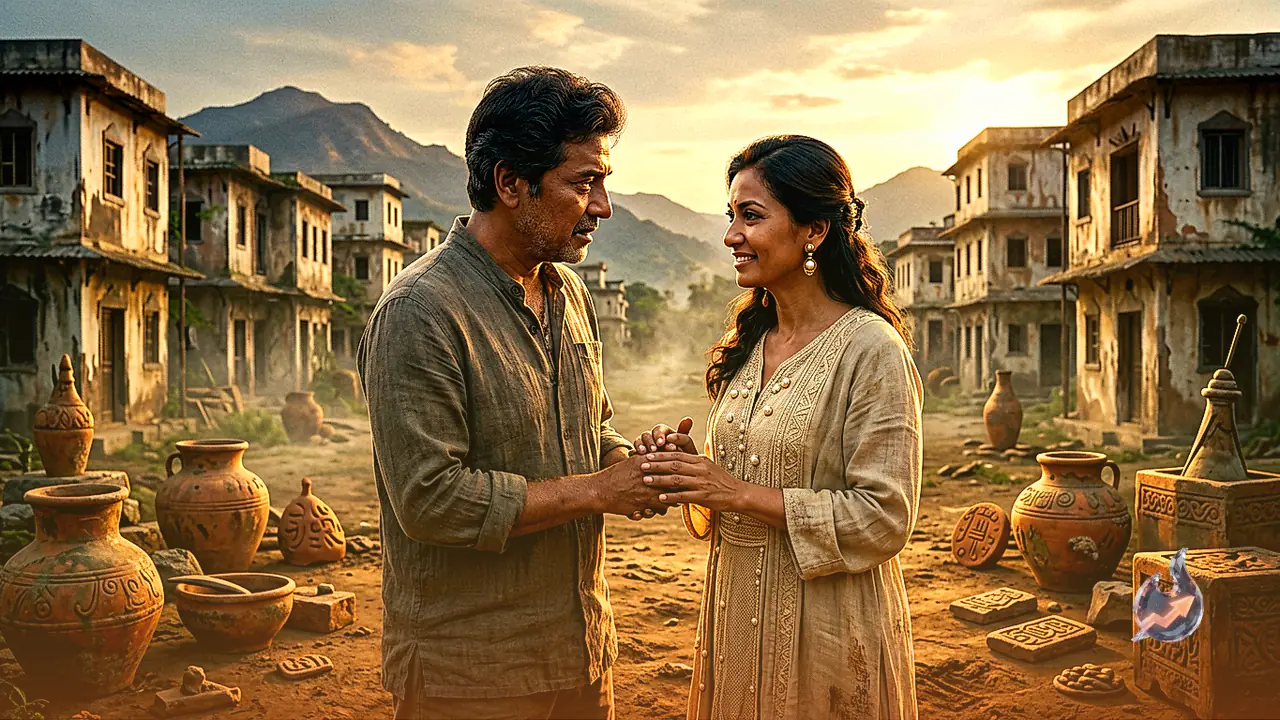
In the film, Aamir Khan portrays the complex role of Dil Navaz, while Rahul Khanna plays Hassan. Initially, the film presents a harmonious multi-religious community in Lahore, where individuals from diverse faith backgrounds coexist peacefully, sharing meals, jokes, and daily companionship. However, as the impending Partition of India begins to materialize, the social fabric collapses under the weight of communal politics.
As political tensions escalate, longstanding trust dissolves into suspicion and hostility. This brutal transformation severely impacts Dil Navaz. Initially shown as a warm and affectionate person deeply attached to Shanta, he gradually succumbs to the surrounding atmosphere of violence and sectarian hatred. His intense jealousy over the growing closeness between Shanta and Hassan merges destructively with communal rage. Ultimately, personal grievances blend with religious conflict, driving the narrative toward a tragic climax.
Deepa Mehta's Cinematic Vision and Streaming Availability
Director Deepa Mehta is renowned for her bold storytelling and distinct cinematic vision. Throughout her career, her works have highlighted female perspectives, bringing the vulnerabilities and struggles of women to the forefront. In this historical drama, she vividly illustrates how the chaos of Partition tore apart women's lives, subjecting them to severe trauma amid societal breakdown.
The film serves as a powerful testament to how rapidly human empathy can deteriorate when consumed by hatred and shifting political tides. For audiences looking to experience this deeply moving chapter of Indian cinema, the film is currently available for streaming on JioHotstar.