























Dilip Kumar remains one of the absolute greatest superstars in the history of Indian cinema, widely revered as the original tragedy king of Bollywood. While the entire world knows him by his legendary screen name, his close friends and wife Saira Bano often remember him by his birth name, Yusuf Khan. The journey behind how Mohammed Yusuf Khan transitioned into the iconic persona seen on the silver screen is a fascinating piece of cinematic history.
The Fear of a Strict Father and Early Resistance
In an archival interview given to the BBC in 1970, the legendary actor shed light on this chapter of his life, stating quite candidly that he changed his name out of the fear of getting beaten. Elaborating further, he explained that his late father was vehemently opposed to motion pictures. His father's close friend was Lala Bashheshwarnath, whose son Prithviraj Kapoor acted in films. The actor's father would frequently complain to Lala Ji, asking why he had put his young and strapping son into such a profession.
Choosing Between Three Different Names
Recalling his father's stern demeanor, the actor noted that when he stepped into the film industry, his primary apprehension was simply escaping paternal wrath. Knowing his father's fiery temper, he lived in constant dread of what would happen if the news reached home. At that crucial juncture, three names were placed before him: Yusuf Khan, Dilip Kumar, and Vasudev. He explicitly stated that anything would do as long as it was not Yusuf Khan. Two or three months later, upon seeing his name in an advertisement, he realized that his new cinematic identity had been finalized.
The Origin of the Famous Screen Name
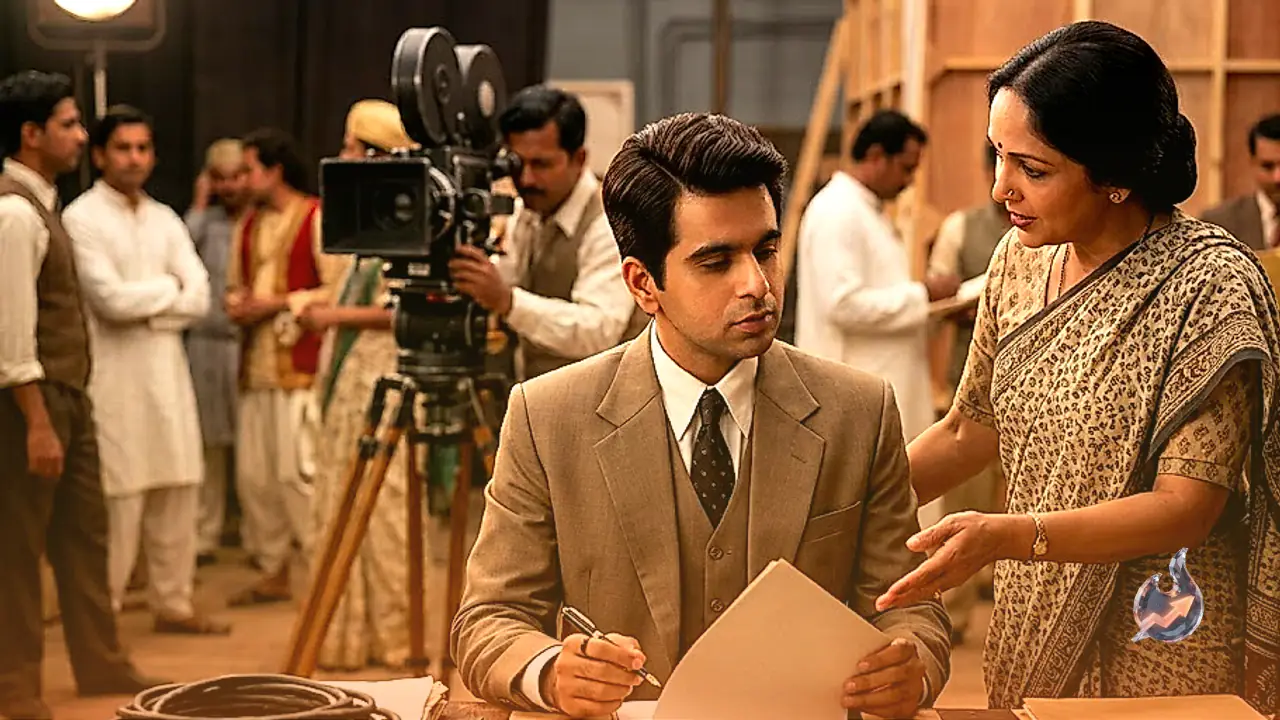
In his autobiography The Substance and the Shadow, the actor revealed that this iconic screen name was given to him by veteran actress and the owner of the prominent production house Bombay Talkies, Devika Rani. Born originally as Mohammed Yusuf Khan, he never worked under his real birth name. He made his cinematic debut in 1944 with the film Jwar Bhata under his new persona. However, that initial venture came and went quietly, followed by two more box office failures.
His fortunes finally turned with his fourth film, Jugnu, which emerged as the first major box office hit of his illustrious career. This success was followed by acclaimed films like Shaheed and Mela in 1948. However, the true turning point of his career arrived in 1949 with the release of Andaz, where he starred alongside Raj Kapoor and Nargis. This movie became the highest-grossing film in Indian cinema of that era. After a lifetime of cinematic excellence, the legendary actor passed away in 2021 at the age of 98.