
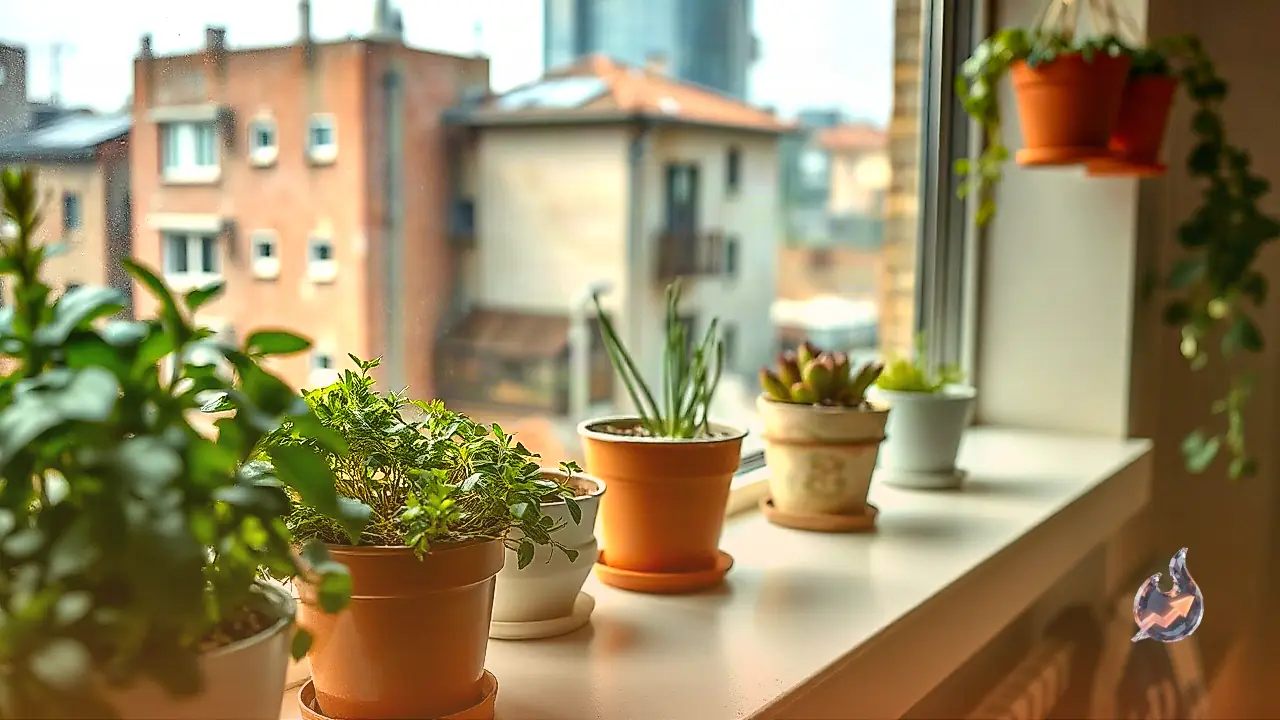




















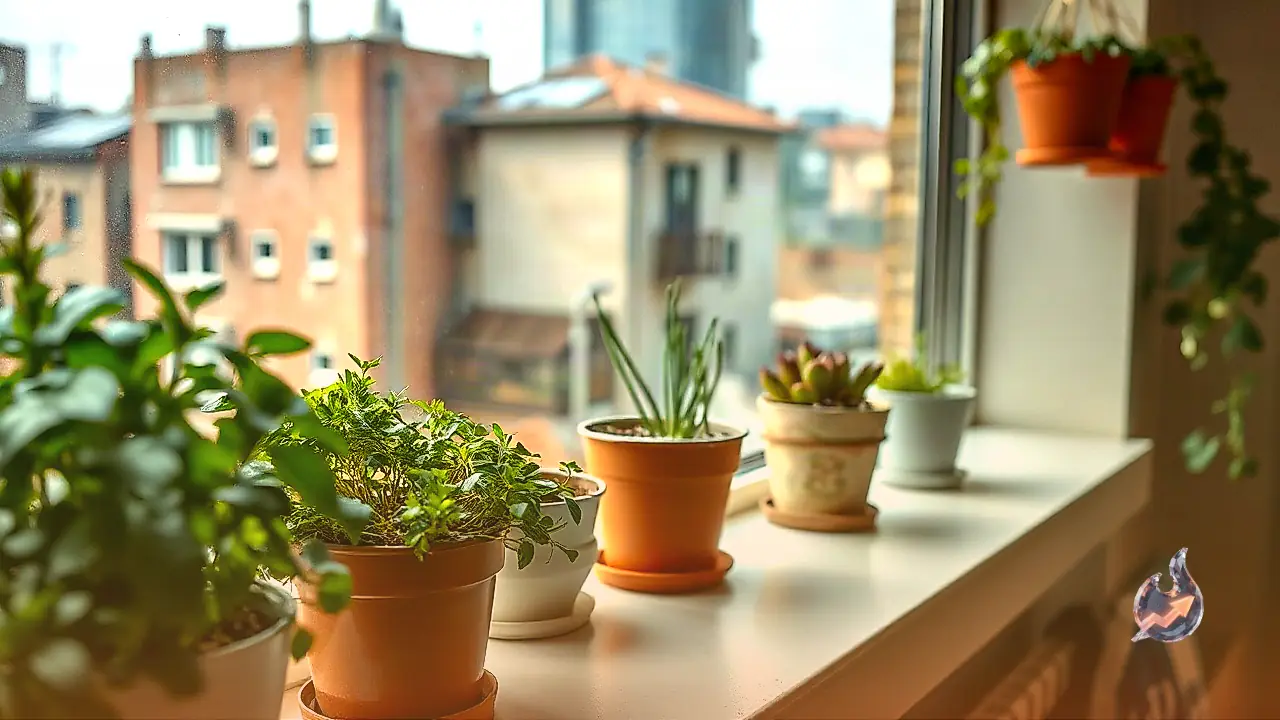

Fresh culinary herbs such as mint, coriander, and green onions are essential staples in daily cooking, bringing distinct flavor and aroma to every preparation. Instead of relying on regular market trips for small quantities, you can easily cultivate these greens right at home. Setting up such a patch does not demand sprawling outdoor yard space or massive containers. Compact pots kept beside a sunny window, along a balcony ledge, or on a terrace work perfectly. With well-drained soil, adequate sunlight, and mindful watering, you can harvest fresh, flavorful garnishes within a short period.
Propagating Mint from Fresh Stems
Starting a mint plant is straightforward when using fresh cuttings sourced directly from grocery bunches. Select sturdy, healthy stems and set their cut ends into a container of clean water. Within a few days, fine root systems begin to emerge from the submerged nodes. Once these roots develop, transfer the cuttings into a pot filled with loose, well-aerated soil that allows water to percolate freely. Position the container in a spot receiving light to moderate sunlight throughout the day. While consistent soil moisture is vital for mint, stagnant water must be strictly avoided. Mint spreads aggressively through its roots, and pinching off top foliage regularly encourages bushier foliage and steady regrowth.
Sowing Coriander Seeds for Healthy Greens
Growing coriander successfully begins with good-grade whole coriander seeds. Before planting, gently crush the round seeds between your palms or on a board to split each husk into two halves. Distribute these split seeds across the potting mix at an approximate depth of half an inch, covering them lightly with fine soil. Mist the soil regularly to maintain steady dampness without washing the seeds away. Tiny green sprouts typically break through the surface within days. Coriander seedlings require a few hours of direct morning or midday sunlight each day to flourish. As soon as the stems grow lush, you can trim off outer leaves as needed for meals while allowing inner shoots to keep producing.
Regrowing Green Onions from Kitchen Scraps
Spring onions offer one of the fastest and simplest regrowing experiences among common vegetables. Whenever preparing green onions for a recipe, preserve the white bottom bases containing the tiny root fibers instead of discarding them. Place these root bases upright in a shallow bowl or glass with just enough water to keep the roots submerged. Fresh green shoots will start extending upwards within days. Once this initial regrowth takes off, transplant the bases into potting soil, ensuring the soil remains moist and the plants receive plenty of bright natural light.
Essential Potting Maintenance and Plant Health
Proper drainage remains the foundation of healthy potted herb gardening. Excess moisture and water accumulation inside the pot deprive roots of oxygen, leading quickly to root rot. Make sure drainage holes remain clear and water only when the surface layer begins to dry out. Inspect your containers periodically to remove any yellowing, dry, or decaying plant material. To encourage vigorous growth and lush color across all your herb pots, incorporate a measure of organic manure or mature compost into your potting mixture from the start.