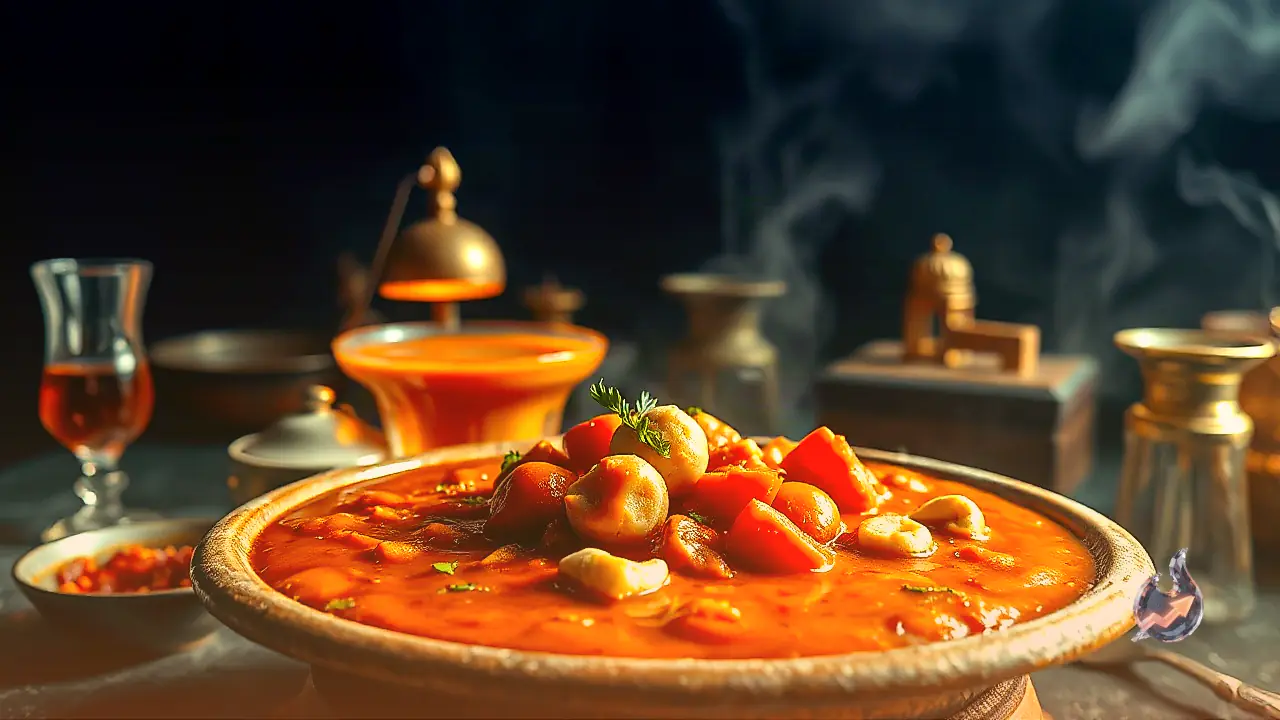





















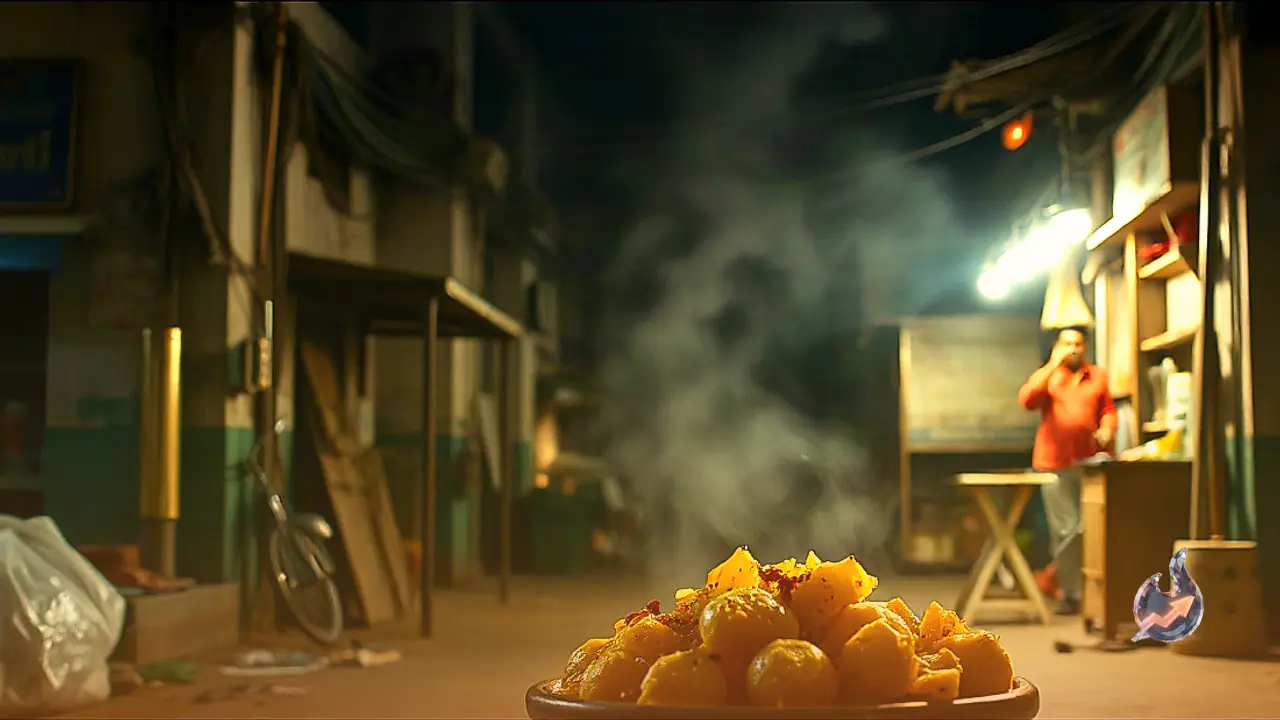

Mornings in the heritage towns of the Braj region are incomplete without the aroma of a fiery, thin potato curry bubbling in giant iron pans. Street-side sweetmakers in Mathura and Vrindavan have perfected this specialty, cooking it entirely without onions, garlic, or tomatoes. The dish earns its distinctive moniker, dubki wale aloo, because crispy deep-fried breads are dipped directly into the spicy, fragrant broth. By relying on pungent spices, earthy mustard oil, and a generous dose of hing, you can easily replicate this temple-town classic in your own kitchen.
Preparation of Ingredients and the Potato Texture
The defining structural element of this preparation lies in how the boiled potatoes are handled. After boiling and peeling, divide the potatoes into two portions. Mash one half thoroughly until nearly smooth, while crushing the remaining half by hand into rough, uneven chunks. The mashed portion serves as a natural thickening agent that dissolves into the simmering broth, providing body without the need for starch slurries or dairy. Alongside the potatoes, gather freshly grated ginger, green chillies, cumin seeds, raw mustard oil, asafoetida, turmeric, red chilli powder, coriander powder, dry mango powder, salt, garam masala, and fresh coriander leaves.
Tempering the Spices in Mustard Oil
To capture authentic street-side flavors, heat mustard oil in a heavy-bottomed pan or kadhai until it reaches its smoking point, then lower the flame slightly. Add cumin seeds and let them splutter, immediately followed by a robust pinch of hing. The aroma of asafoetida forms the primary scent profile of this dish. Toss in the grated ginger and chopped green chillies, frying them briefly. Lower the flame before stirring in the turmeric, red chilli, and coriander powder, splashing a tablespoon of water into the pan so the dry powders hydrate and bloom without scorching. Stir the thoroughly mashed potatoes into this paste until they absorb the tempered oil.
Simmering the Broth to Perfection
Once the mashed base is well coated, pour in four to five cups of water and stir constantly until the liquid reaches a vigorous rolling boil. Introduce the roughly broken potato chunks, table salt, and dry mango powder into the bubbling mixture. Reduce the stove to medium heat and allow the curry to simmer uncovered or partially covered for fifteen to twenty minutes. As it boils steadily, the potato starch blends into the liquid, transforming a watery base into a cohesive, soupy gravy. If the curry reduces too rapidly and turns thick, simply stir in a splash of boiling hot water to restore its traditional runny consistency.
Serving Traditions and Final Flavor Tips
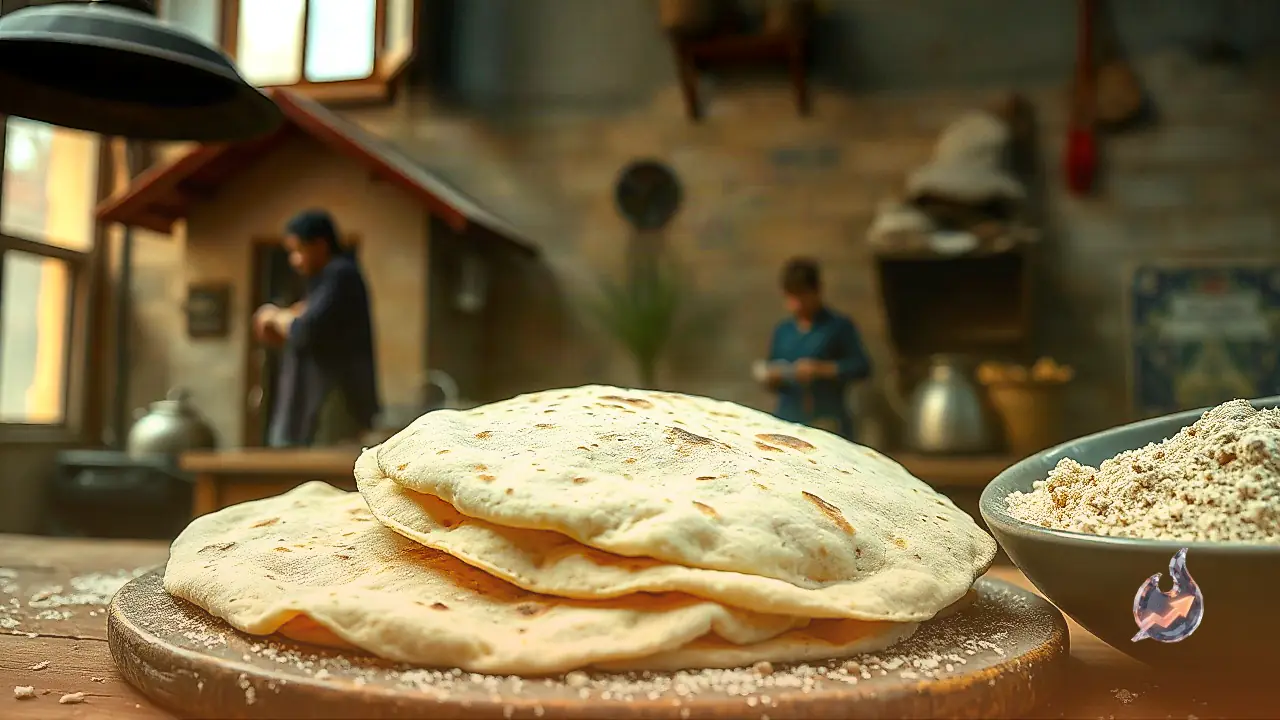
Finish the curry by turning off the heat and stirring in aromatic garam masala alongside a generous handful of chopped coriander. The finished dish should be presented piping hot alongside crispy urad dal bedmi puris, flaky kachoris, or griddled parathas. In Mathura, local vendors traditionally serve this fiery stew with hot, syrup-soaked jalebis, offering a sharp contrast between sweet and spicy flavors. For optimal authenticity, always use cold-pressed mustard oil, keep the hing prominent, and stir in a few drops of fresh lemon juice at the end if you prefer a sharper tang.