















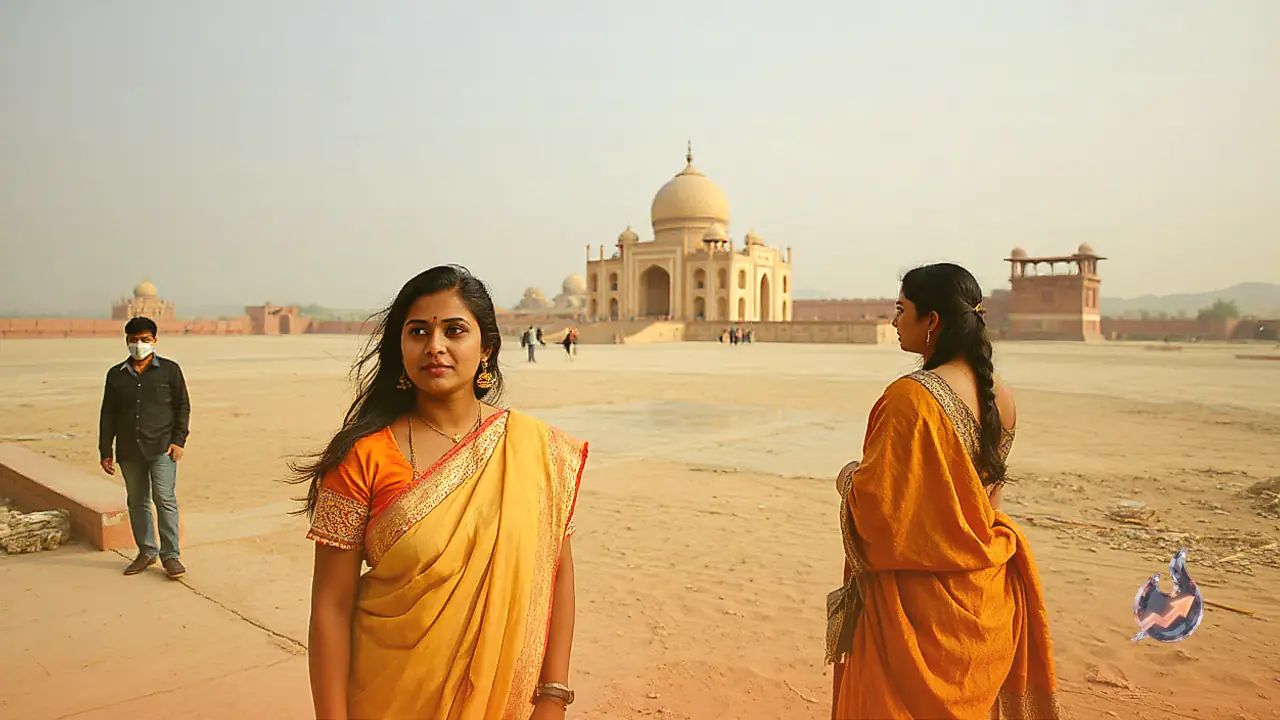
Anticipation surrounding the upcoming cinematic adaptation of Ramayana has surged, bringing intense scrutiny to its headline casting choices. Featuring Ranbir Kapoor and Sai Pallavi in lead roles, the project has triggered active conversations across digital platforms. The primary focus of public attention remains the portrayal of Sita by Sai Pallavi, an artistic decision that has divided observers into two distinct camps. While many admirers celebrate the actress for her natural simplicity, grace, and understated charm, a substantial segment of viewers argues that she does not fit the traditional visual expectations associated with the revered figure.
Mythological Depictions and Screen Expectations
Discussions online have increasingly referenced literary descriptions and ancient scriptures to debate how Sita should be visually imagined on screen. Over the decades, audiences across India have watched numerous interpretations of Sita in celebrated television broadcasts and landmark feature films, establishing strong aesthetic benchmarks in popular memory. Against this backdrop of established portrayals, Sai Pallavi’s screen presentation has invited detailed public scrutiny. Many commentators acknowledge her genuine charm and humble screen presence, yet maintain that she may not represent the ideal choice for this specific mythological role, a conversation that has also stirred debates around northern and southern film industry casting dynamics.
Scrutiny Directed at Styling and Makeup
Public discourse surrounding film personalities frequently generates sharp reactions, and the visual styling in this epic has faced direct criticism. Several viewers have questioned whether the creative and technical teams did complete justice to the actress. Criticisms have singled out the makeup artists, with allegations that the styling failed to capture the ethereal, traditional essence required for the character of Sita. Some online commentators expressed dissatisfaction with the production decisions, calling for greater accountability from the casting directors and styling crew, arguing that the final screen look fell short of cinematic expectations.
Alternative Casting Suggestions and Linguistic Concerns
As the debate broadened, audiences began suggesting other talent who could have embodied the role differently. Among the alternative names highlighted was Sara Arjun, whom certain viewers described as a potentially more natural and fitting presence capable of delivering the desired screen aura. Alongside visual appearance, linguistic delivery has also emerged as a point of contention. Observers questioned the logic of casting performers who might face challenges with language nuance and precise diction in a dialogue-heavy mythological narrative. Despite the ongoing split in audience reception and vocal online critique, the ambitious production is slated to arrive in theatres worldwide for Diwali on November 5.