






















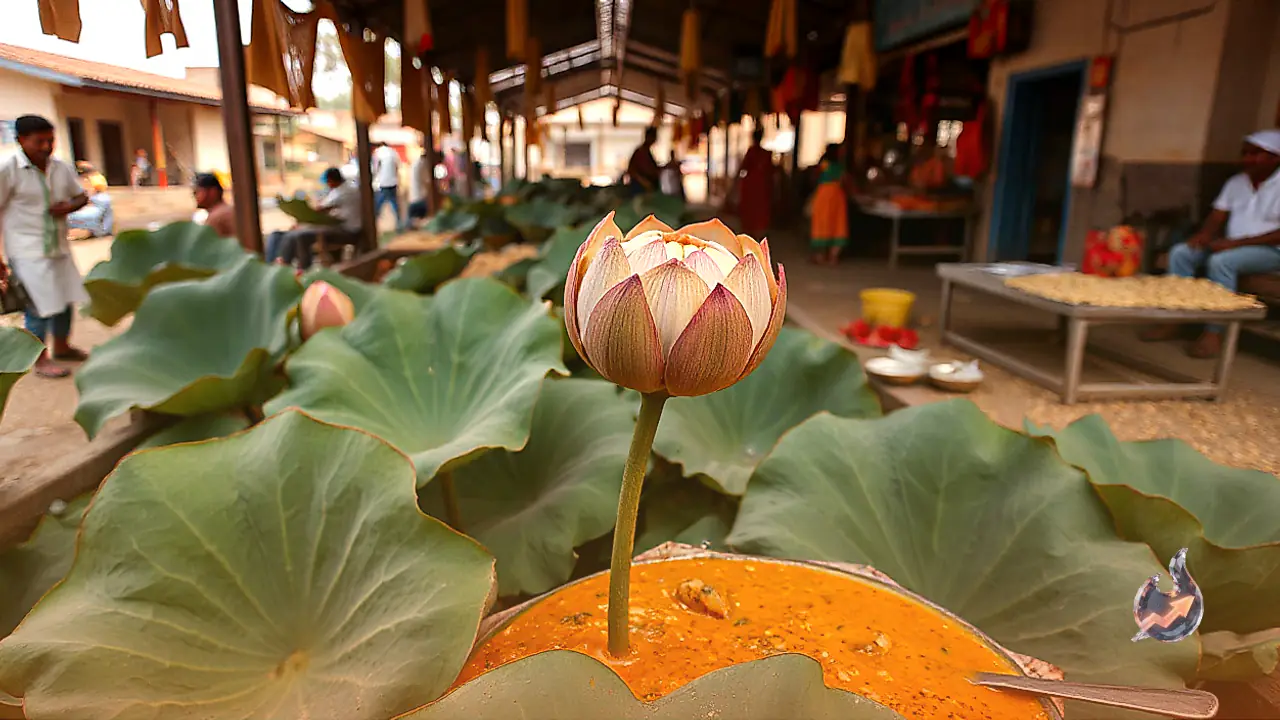

With the arrival of Diwali, local markets and wholesale yards experience a surge of seasonal ingredients. Among these seasonal arrivals, fresh lotus seeds, locally known as kamalgatta, make a noticeable appearance across vegetable stalls. Shoppers regularly purchase these seeds to prepare unique delicacies and curries for their households. When cooked using traditional home spices, lotus seed curry offers a rich and distinctive flavor. Preparing the dish requires minimal effort and relies entirely on everyday kitchen staples rather than specialized commercial ingredients, making it a reliable option for festive dining.
Seasonal Availability and Core Ingredients
According to Aarti Kumari from Asind in Bhilwara district, the festive period brings peak market arrivals of lotus flowers for celebrations, which simultaneously increases consumer interest and demand for fresh lotus seeds. This seasonal abundance makes it convenient for households to prepare wholesome festive meals using ingredients already present in their pantries.
The required ingredients for preparing this curry include
- Lotus Seeds: Fresh lotus seeds cleaned and prepped as the primary base.
- Onions: Two finely chopped medium onions.
- Tomatoes: Two finely chopped ripe tomatoes.
- Aromatics: Ginger-garlic paste and fresh green chilies.
- Dry Spices: Cumin seeds, turmeric powder, red chili powder, coriander powder, garam masala, and salt to taste.
- Cooking Essentials: Cooking oil along with fresh chopped coriander leaves for garnishing.
Cleaning and Base Preparation
The preparation begins by thoroughly washing and cleaning the lotus seeds under running water. If the seeds are firm, place them in a pressure cooker with water and a pinch of salt to boil until they turn soft and tender. Once boiled, strain the cooking liquid and set the softened seeds aside.
Next, heat cooking oil in a pan or wok. Add cumin seeds to the hot oil and let them crackle. Introduce the finely chopped onions into the pan and sauté until they achieve an even, golden-brown hue. Once the onions soften and brown, mix in the ginger-garlic paste and chopped green chilies, frying the aromatics for a short duration to remove any raw taste.
Add the chopped tomatoes into the mixture alongside turmeric powder, red chili powder, coriander powder, and salt. Cook the masala base on medium heat, stirring continuously until the tomatoes soften completely and oil begins separating from the edges of the gravy. Once the masala is well roasted, add the boiled lotus seeds to the pan.
Simmering and Serving Instructions
Toss the lotus seeds gently with the roasted spice base so that each piece is evenly coated. Pour in water depending on the desired consistency of the gravy. Cover the pan with a lid and let the mixture simmer on low heat for a few minutes, allowing the flavors to seep thoroughly into the seeds.
Turn off the flame once the gravy thickens to the preferred level. Sprinkle garam masala over the curry and stir in finely chopped coriander leaves. The dish is best served piping hot alongside freshly rolled rotis, layered parathas, or puffed puris. Serving this unique preparation during Diwali provides visiting guests with a distinct regional flavor profile.