























Malayalam cinema legend Mammootty recently achieved a monumental milestone by winning the Best Actor award at the prestigious National Film Awards. The ceremony, which took place in Ekta Nagar, Gujarat, celebrated his outstanding contribution to Indian cinema. However, the joy of this grand achievement was quickly overshadowed by an unnecessary social media controversy. Following the event, the legendary actor found himself at the center of intense online scrutiny after a video surfaced showing him wearing a traditional Hindu mark, a *tilak*, on his forehead. This triggered a wave of backlash from a section of internet users, prompting fellow industry members to step forward in his defense.
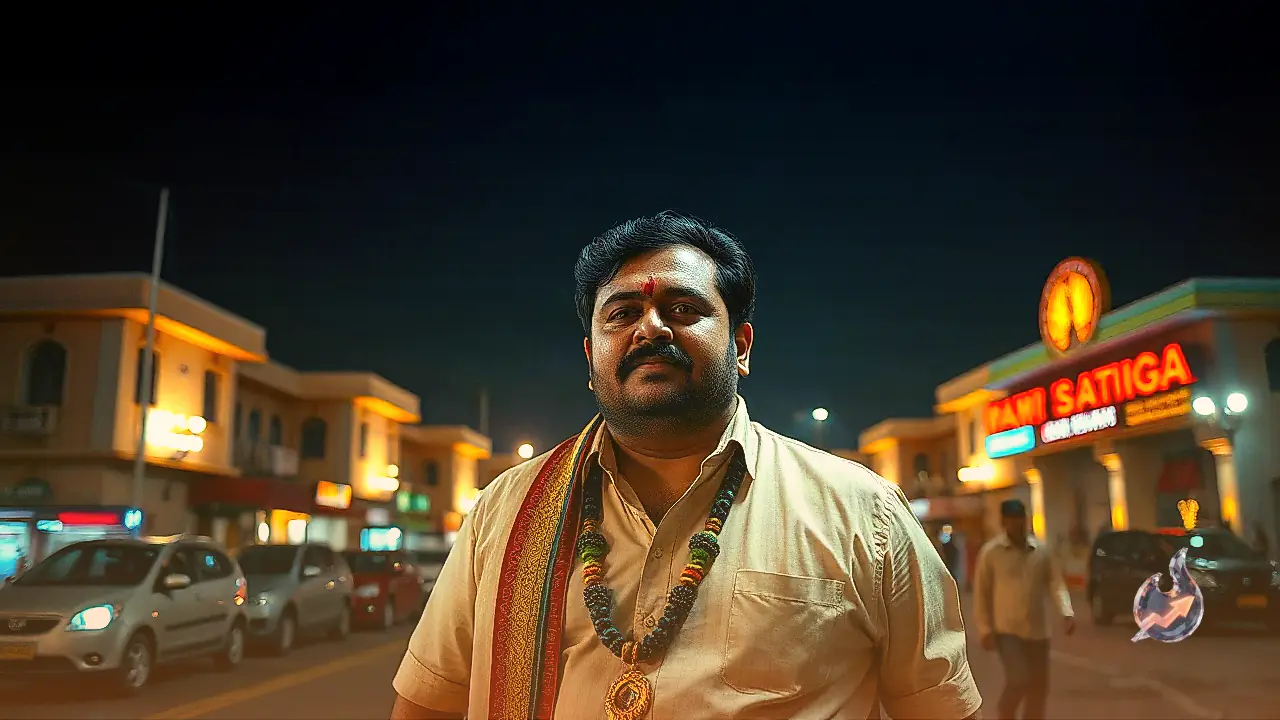
The controversy stemmed from a video clip shared on the official social media page of the Statue of Unity. In the footage, Mammootty is seen arriving at the award venue in an elegant yet simple attire, wearing a classic white shirt paired with cream-colored trousers. Upon his arrival, he was extended a warm and traditional welcome. A woman coordinator stepped forward to greet him, presenting him with a floral bouquet, applying a celebratory vermilion *tilak* on his forehead as a sign of respect, and draping a tricolor *thorthu*, which is a traditional South Indian shoulder cloth, around his neck. The veteran actor accepted the gesture graciously, sporting a warm smile throughout the welcoming ritual, showing his deep appreciation for the gesture.
Online Backlash Over Cultural Reception
While millions of fans and film enthusiasts worldwide were celebrating Mammootty's historic National Award victory, a group of orthodox social media users began targeting the actor. These internet trolls questioned his decision to allow a religious mark on his forehead, raising objections based on his Muslim faith. The online space quickly turned into a battleground of opinions, with critics expressing displeasure over a practice they viewed through a narrow religious lens, turning a simple gesture of cultural hospitality into a communal issue. Many expressed disappointment that a moment of national pride for Malayalam cinema was being degraded by such narrow-minded debates.
Co-star Harisree Yousuf Denounces Communal Trolling
Observing the growing controversy, Malayalam actor and filmmaker Harisree Yousuf came out strongly in support of Mammootty. Yousuf posted a video message on his social media account to address the issue directly and defend the veteran superstar. He urged people to look beyond religious boundaries and emphasized that India is a great nation where such trivial incidents should not be used to spread communal disharmony or hatred.
Yousuf did not hold back in criticizing those who tried to communalize a respectful greeting. He took note of a specific derogatory comment and referred to the trolls behind such remarks as "frogs in a well," implying that their worldview is extremely limited and detached from the pluralistic reality of Indian society. He stated that such people only seek to create divisions in a society that has historically thrived on unity and mutual respect.
Tradition of Hospitality and the Unity of Faith
In his passionate video address, Harisree Yousuf elaborated on the diverse and inclusive nature of Indian culture. He explained that in a multi-cultural country like India, there are numerous paths to seek and worship the almighty. Yousuf beautifully remarked that "Whether you make a cross, apply a tilak, or pray, it all ultimately goes to that one God." Representing humanity's shared love and reverence for the divine, he insisted that no room should be given to hatred.
He further clarified that applying a *tilak* on a guest’s forehead is a deeply rooted cultural tradition of hospitality in India, rather than a strictly religious mandate. According to him, viewing such a welcoming ritual through a communal lens undermines the beauty of Indian heritage. Yousuf concluded his message by appealing to the public to reject divisive narratives and maintain the peaceful social fabric of the country, appreciating the gesture for its cultural significance rather than its perceived religious connotations.