








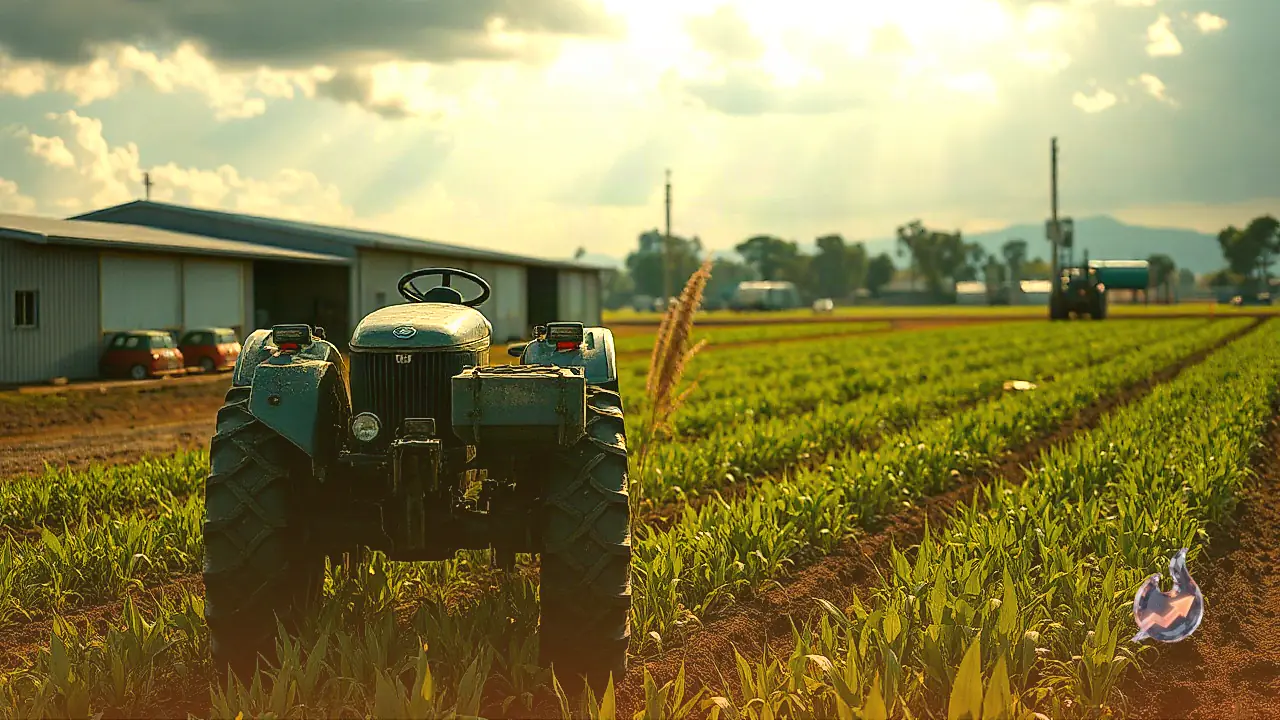














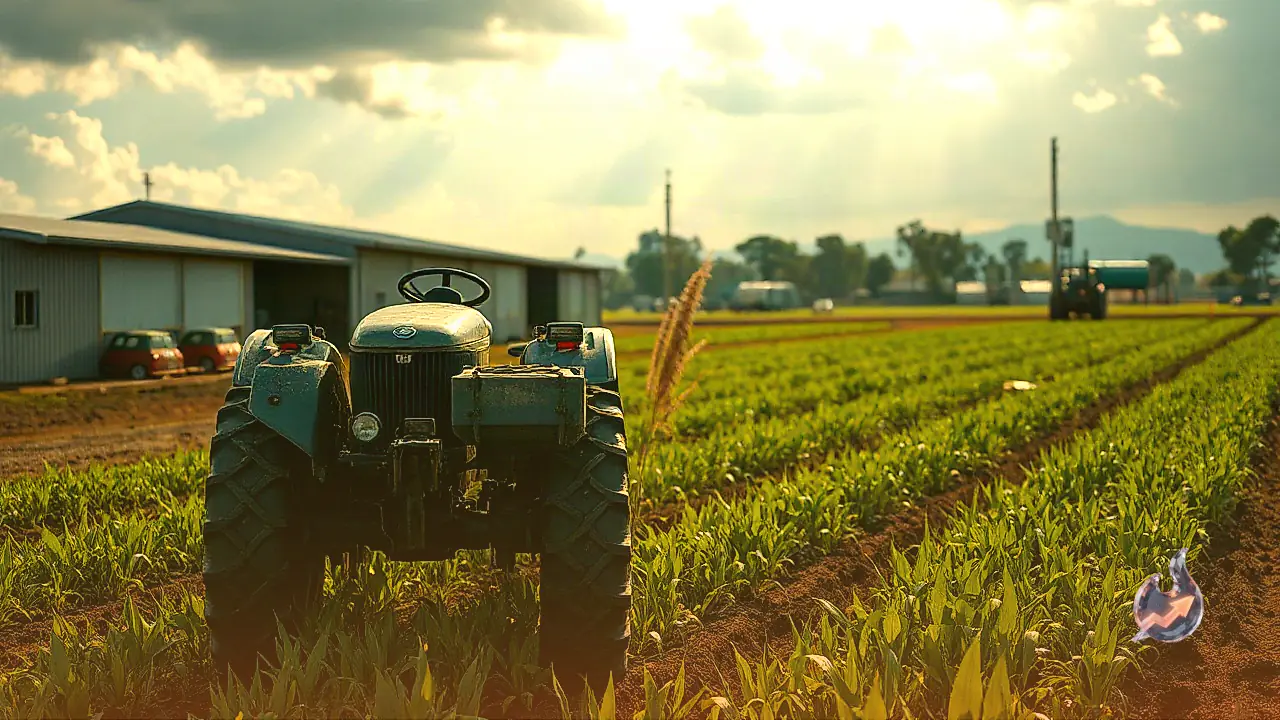

Agricultural operations heavily rely on tractors, making them indispensable assets for farming communities. Whether it is plowing, harvesting, or transporting heavy loads, these machines bear the brunt of demanding tasks. Consequently, the condition of tractor tires directly influences both productivity and operational costs. Neglecting tire maintenance can lead to premature wear, forcing farmers to face unexpected financial burdens and work delays. Implementing simple care routines can enhance tire durability and reduce overall expenditure.
Routine Inspections Before and After Field Work
Before setting out onto rugged terrains or returning from a day in the mud, farmers should make it a habit to thoroughly examine their tractor tires. Sharp stones, nails, and other debris can easily wedge themselves into the tread, leading to deep punctures if left unaddressed. Look closely for any visible cuts, cracks, or unusual bulges on the tire walls. Catching these minor anomalies early prevents them from escalating into catastrophic blowouts during critical farming hours.
Maintaining the Perfect Air Pressure
Inflation levels play a defining role in how a tire interacts with the soil and the road. Under-inflated tires increase the contact area, causing excessive friction that rapidly grinds down the rubber. Conversely, over-inflating tires reduces the contact area but concentrates the tractor's weight unevenly, making the tires stiff and susceptible to impact damage. Adhering strictly to the manufacturer-recommended pressure levels ensures optimal traction and longevity.
The Importance of Wheel Alignment and Balanced Loads
Uneven wear is often a symptom of mechanical misalignment. When tractor wheels are out of balance, one side of the tread wears down much faster than the other, which also triggers uncomfortable vibrations during transit. Regular wheel balancing sessions are vital to mitigate this issue. Additionally, when hauling produce or attaching heavy implements, ensuring that the weight is distributed evenly across the vehicle prevents localized tire strain.
Protection Against Harsh Weather and Rough Driving
Continuous exposure to intense sunlight and extreme heat can degrade the rubber compounds, leading to dry rot and surface cracks. Whenever the tractor is idle, parking it under a shade or using specialized protective covers can shield the tires from ultraviolet damage. Furthermore, driving habits on rough roads heavily dictate tire life. Slowing down over potholes and gravel paths significantly reduces the sudden impact forces that puncture or tear the tread.
Post-Work Cleaning and Expert Repairs
Farm work inevitably cakes the tires in thick mud, clay, and small pebbles. Leaving this debris on the tires can trap moisture against the rims, encouraging rust and slowly damaging the rubber. A simple wash after completing field tasks goes a long way. Finally, if any structural damage is detected, farmers should avoid amateur patch-ups. Entrusting repairs to qualified technicians ensures the tires remain structurally sound for demanding heavy-duty operations.