



















In the Rohat region of Pali district in Rajasthan, a severe shortage of rainfall has devastated agricultural lands, leaving local farmers in deep distress. For months, cultivators watched the skies in anticipation of rain, but their hopes were dashed as the dry spell persisted. This lack of precipitation has scorched standing crops across dozens of villages, with the Khandi and Khadi areas under the Rohat panchayat samiti being the worst hit. The agricultural crisis has reached a point where farmers are finding it difficult to secure even their basic livelihood, turning what was expected to be a harvest season into a period of silence and economic despair.
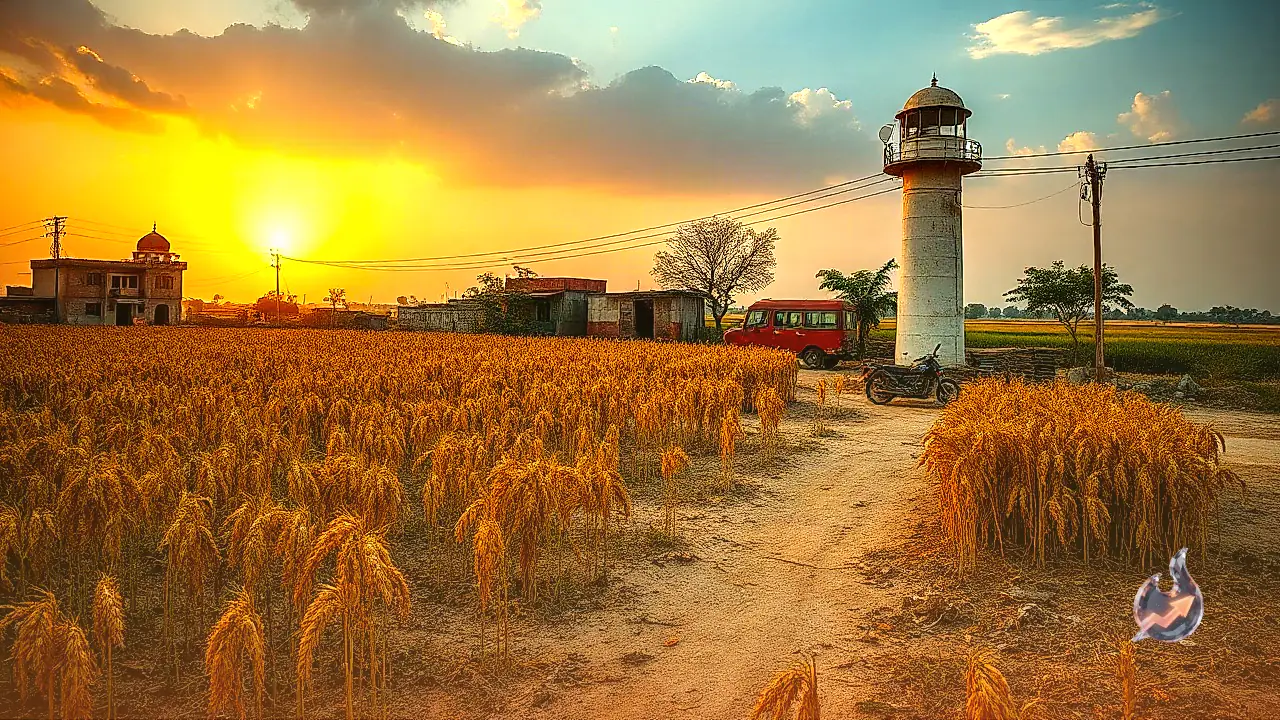
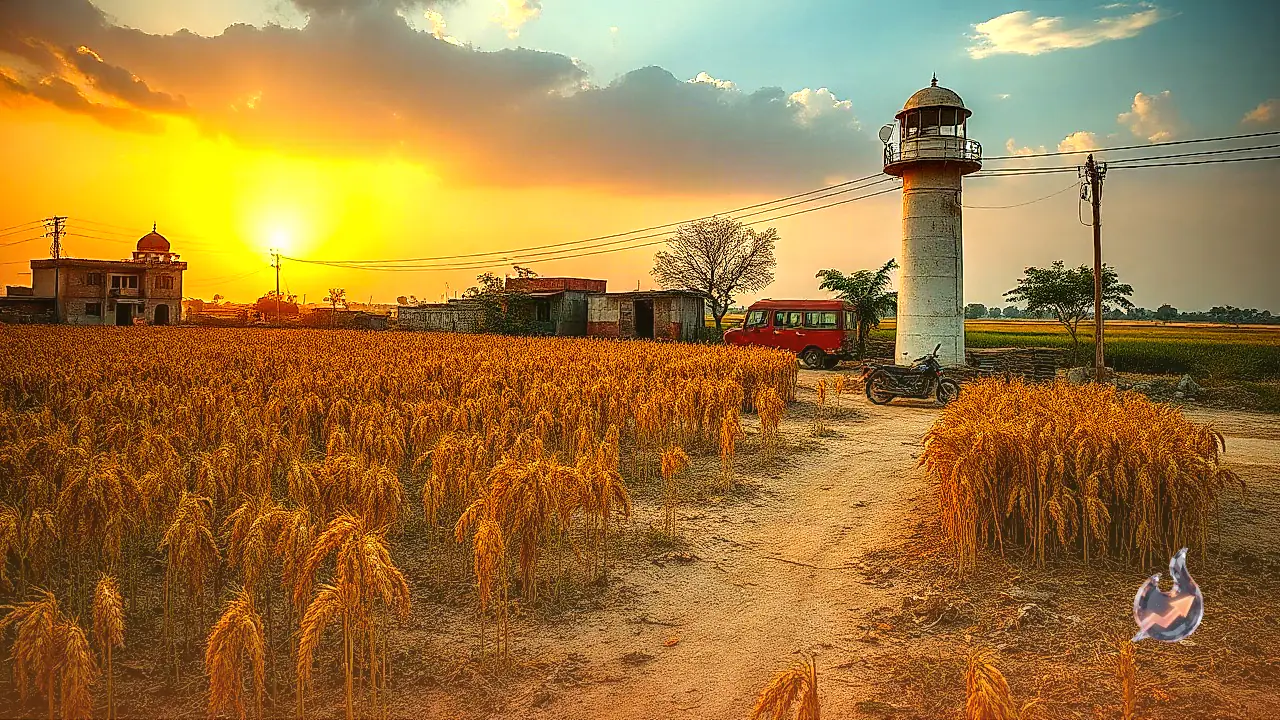
The visual landscape across villages like Dungarpur Bishnoiyan ki Dhani, Nenaram Bishnoi ki Dhani, and the wider Khandi panchayat is grim. Crops of moong, sesame, and fodder millet (jowar) have dried up and turned black before they could mature. Local agriculturalists state that between 90% and 100% of their standing crops have been completely ruined. Beyond the loss of grain, this crisis has triggered a severe shortage of cattle fodder, making it incredibly difficult for families to sustain their livestock, which serves as their secondary source of income.
Double Financial Burden with Skyrocketing Labor Costs
Compounding the tragedy, farmers are now facing an unsustainable double financial burden. To salvage whatever dry fodder or residual grain remains in the parched fields, they must hire agricultural workers. Currently, the daily wage rate for farm labor in the area stands at 600 rupees. Ironically, in fields where the expected yield of moong is barely 50 to 100 kilograms, the cumulative cost of hiring labor is far exceeding the total market value of the harvested produce. Despite knowing they will incur heavy losses, farmers are borrowing more money to pay these laborers just to gather enough dry residue to keep their cattle alive.
Debt Traps, Disrupted Education, and Kitchen Struggles
The entire socio-economic cycle of Rohat's rural communities hinges on the success of these monsoon-dependent crops. At the start of the season, farmers had taken KCC loans from banks and borrowed from local moneylenders to purchase quality seeds and fertilizers. They believed that a bountiful harvest would help repay their debts, support their household expenses, and cover their children's school tuition. Now, with the total failure of their harvest, repayment has become an impossibility. Families are struggling to afford daily food rations, and the threat of falling deeper into a debt trap has left parents deeply anxious about the educational future of their children.
Demands for Transparent On-Ground Crop Assessments
Recognizing the severity of the situation on the ground, farmer unions have stepped in to pressure the local administration. Madan Singh, the district president of the Bharatiya Kisan Union (Tikait), recently conducted a physical survey of the affected villages to evaluate the crop damage. He strongly criticized the bureaucratic approach of the administration. Madan Singh warned, "If administrative officials conduct paper-based assessments in closed rooms, farmers will not receive insurance or government subsidies."
The union leader has formally urged the District Collector of Pali to mandate that all crop loss surveys be carried out directly in the fields in the presence of the farmers. He suggested organizing open community meetings (chaupals) to ensure transparency in recording the actual level of destruction. Furthermore, he appealed to both the state and central governments to formally declare Pali district, and the Rohat block in particular, as drought-hit, demanding an immediate financial relief package to sustain the agrarian community through this severe crisis.