


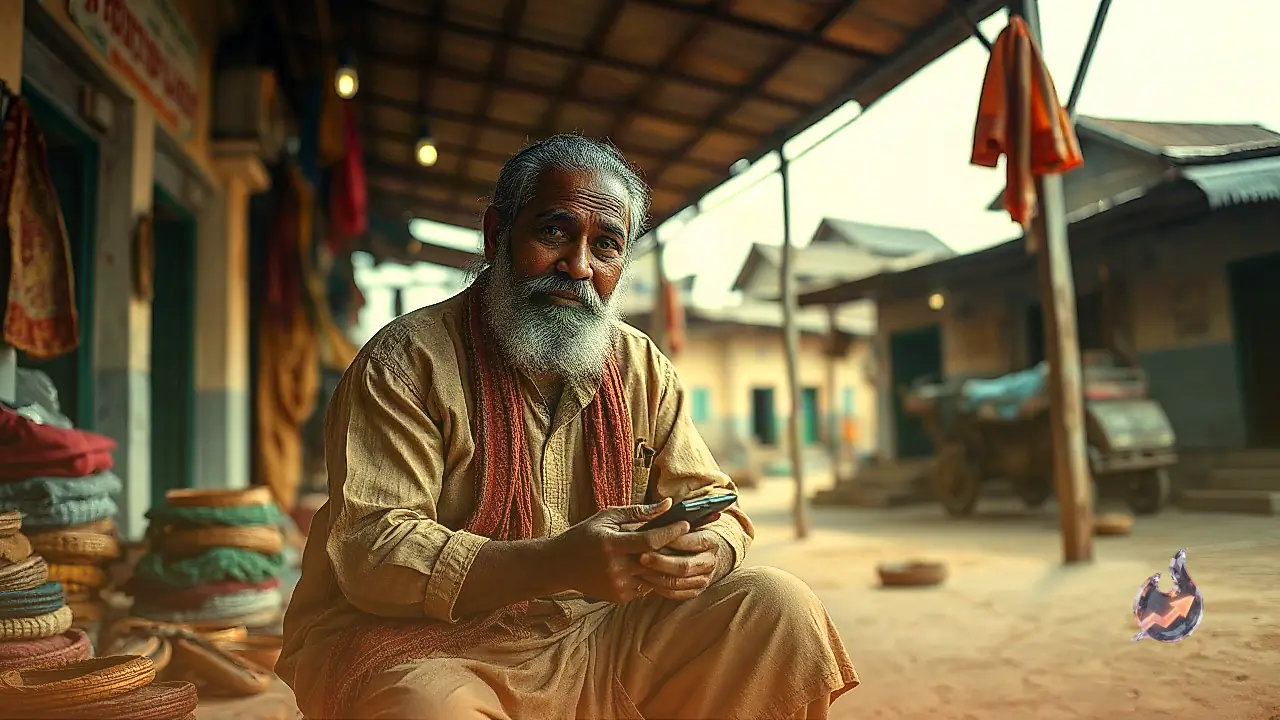

















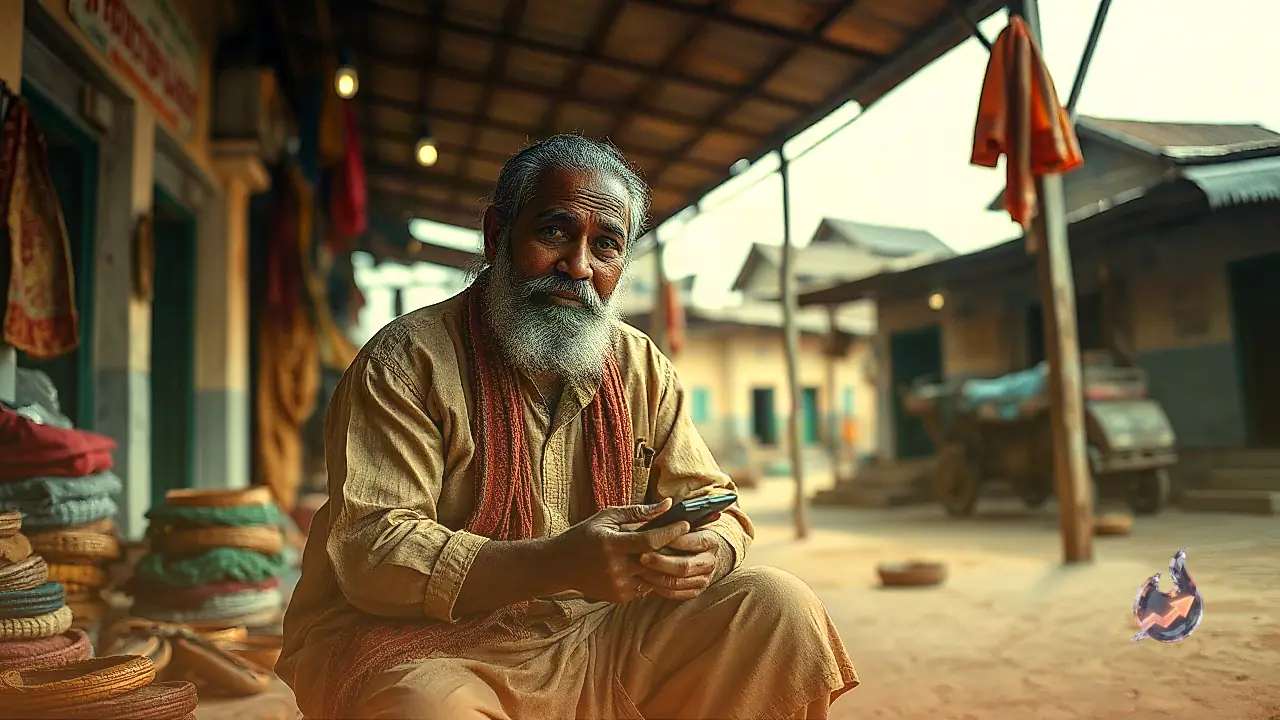

Dedication, resilience, and mastery of a traditional craft can transform a simple skill into a powerful engine of financial independence. Rajesh, a resident of Patiala in Punjab, stands as a prime example of this philosophy. For approximately 20 years, Rajesh has committed himself to the creation and trade of handmade Punjabi juttis. Over the past six years, he has regularly set up his temporary retail stalls at various cultural and commercial fairs in Bokaro, Jharkhand. Traveling across different states throughout the year has become the primary source of income for his entire household, keeping his family secure and motivated.
A Nomadic Business Across Jharkhand Cities
Rajesh's business footprint is not restricted to Bokaro alone. He routinely travels to several other major urban centers and semi-urban belts in Jharkhand, including Tata, Dhanbad, Ranchi, Chaibasa, Chakradharpur, and Gumla. He explains that genuine, hand-crafted Punjabi juttis carry a distinctive reputation and enjoy high demand in these regions. These footwears are specifically designed to match festive occasions and weddings, becoming popular accessories for traditional Indian attire such as lehengas, sarees, Punjabi suits, and Patiala suits. The sheer variety in design and embroidery keeps his collections attractive to consumers of all ages.
In-House Production and Promoting Indigenous Craft
One of the defining aspects of Rajesh's enterprise is his business model. Instead of acting as a mere middleman who buys cheap wholesale goods to resell them, Rajesh supervises the entire production process in Patiala from scratch. He collaborates directly with local artisans to manufacture these juttis, ensuring that each piece represents the finest quality of handloom and craft. By doing so, he ensures that his inventory consists purely of handmade, authentic swadeshi products, celebrating the spirit of local Indian craftsmanship and contributing to the preservation of traditional designs.
Mentorship and Generating Local Employment
Recalling his early days, Rajesh shares that he learned the intricate art of making juttis from his guru. In the beginning, he spent countless hours watching his mentor work, slowly grasping the complex techniques involved in cutting, stitching, and decorating the footwear. Once he gained confidence in his abilities, he took the leap to start his own commercial venture. Although he remains the sole member of his family to enter this trade, his business now supports several other households. In Patiala, around 8 to 10 artisans are directly connected to his workshop, and overall, Rajesh provides employment to 12 to 13 people across various operational levels.
Price Points, Customer Relations, and Family Sacrifices
In terms of pricing, Rajesh's juttis are highly affordable, with premium designs costing up to Rs 350. To make them even more accessible to the public, he offers generous discounts during seasonal fairs so that visitors can purchase them within their specific budgets. However, this continuous travel demands heavy personal sacrifices. Because his family's livelihood depends entirely on the revenue from this trade, Rajesh must spend most of the year away from his home. While his family members occasionally voice their longing for him to stay, Rajesh emphasizes that enduring this separation is vital to support his children's education and fulfill domestic responsibilities.
Supporting Swadeshi and Guidance for Young Entrepreneurs
Reflecting on his long association with Bokaro, Rajesh speaks highly of the local community, praising their warm nature and support over the past six years. He remains a strong proponent of domestic goods, urging citizens to embrace and promote Indian-made products as a way to boost the national economy. For young individuals wishing to venture into entrepreneurship, Rajesh offers valuable advice: patience and persistent effort are crucial during the initial phases of any business. He advises newcomers to avoid confrontations with customers, communicate politely, explain the unique craftsmanship of their products, and place absolute trust in their own hard work.